

How to Groom a Dog at Home: A Step-by-Step Guide for UK Owners
Quick answer
Most dog grooming tasks (brushing, bathing, nail trimming, ear cleaning, teeth brushing) are well within reach of an owner prepared to learn and invest in decent tools. The tricky part is not the technique. It is starting early, being consistent, and knowing when to stop and call a professional.
Most dog grooming tasks (brushing, bathing, nail trimming, ear cleaning, teeth brushing) are well within reach of an owner prepared to learn and invest in decent tools. The tricky part is not the technique. It is starting early, being consistent, and knowing when to stop and call a professional.
This guide covers every basic grooming task you should be doing at home, how to do each one safely, and what you need to get started. Complex coat work (clipping, hand-stripping, dematting severely tangled coats) is not covered here because it genuinely requires professional training.
What Equipment Do You Need to Groom a Dog at Home?
Buy the right tools before you start. Cheap brushes pull and snap rather than glide, which makes dogs anxious and makes the job harder. You do not need everything at once: build the kit as you need it.
- Slicker brush: flat or curved brush with fine wire pins. Removes loose coat and surface tangles from most coat types. The single most useful tool most owners will buy.
- Pin brush: gentler than a slicker brush, better for long silky coats where wire pins may snag.
- Rubber grooming mitt: slips over the hand. Works well on smooth and short coats. Good for bath time too.
- Deshedding tool (FURminator-style): for double-coated breeds during shedding season. Reaches the undercoat without damaging the outer coat. Do not use on curly, wire, or silky coats.
- Nail clippers or nail grinder: scissor-style clippers are most common; guillotine-style work well on smaller nails. Grinders are slower but better tolerated by dogs that find clipping stressful.
- Styptic powder: for accidental cuts to the nail quick. Stops bleeding within seconds. Always have it on hand.
- Dog shampoo: choose a formula appropriate for your dog's coat type. Puppy shampoo is gentler and worth using on sensitive-skinned adults. Never use human shampoo.
- Ear cleaning solution and cotton wool: for monthly ear maintenance. Never insert anything into the ear canal.
- Dog toothbrush and toothpaste: finger brushes are good for introducing puppies. Graduate to a handled toothbrush as the dog gets used to it.
- Absorbent towels or a dog-specific dryer: regular towels work; a force dryer or low-heat domestic hairdryer on the lowest setting speeds things up.
How to Brush a Dog
Brush before bathing: wet tangles become tighter. Work methodically, section by section, rather than running a brush across the surface.
Start at the head and work back towards the tail. Brush in the direction of coat growth first, then against it for double-coated breeds to lift and remove undercoat. For long coats, hold the base of the hair close to the skin as you brush to avoid pulling.
Pay extra attention to the areas where matting starts first: behind the ears, in the armpits, between the back legs, and around the collar. These spots get friction from movement and mat more quickly than the rest of the body.
Keep brushing sessions to 15 minutes for puppies and anxious dogs. Stop and reward frequently. The goal is for the dog to find grooming unremarkable, not to power through discomfort.
For the full breakdown of which tools suit which coat type, see the coat type guide.
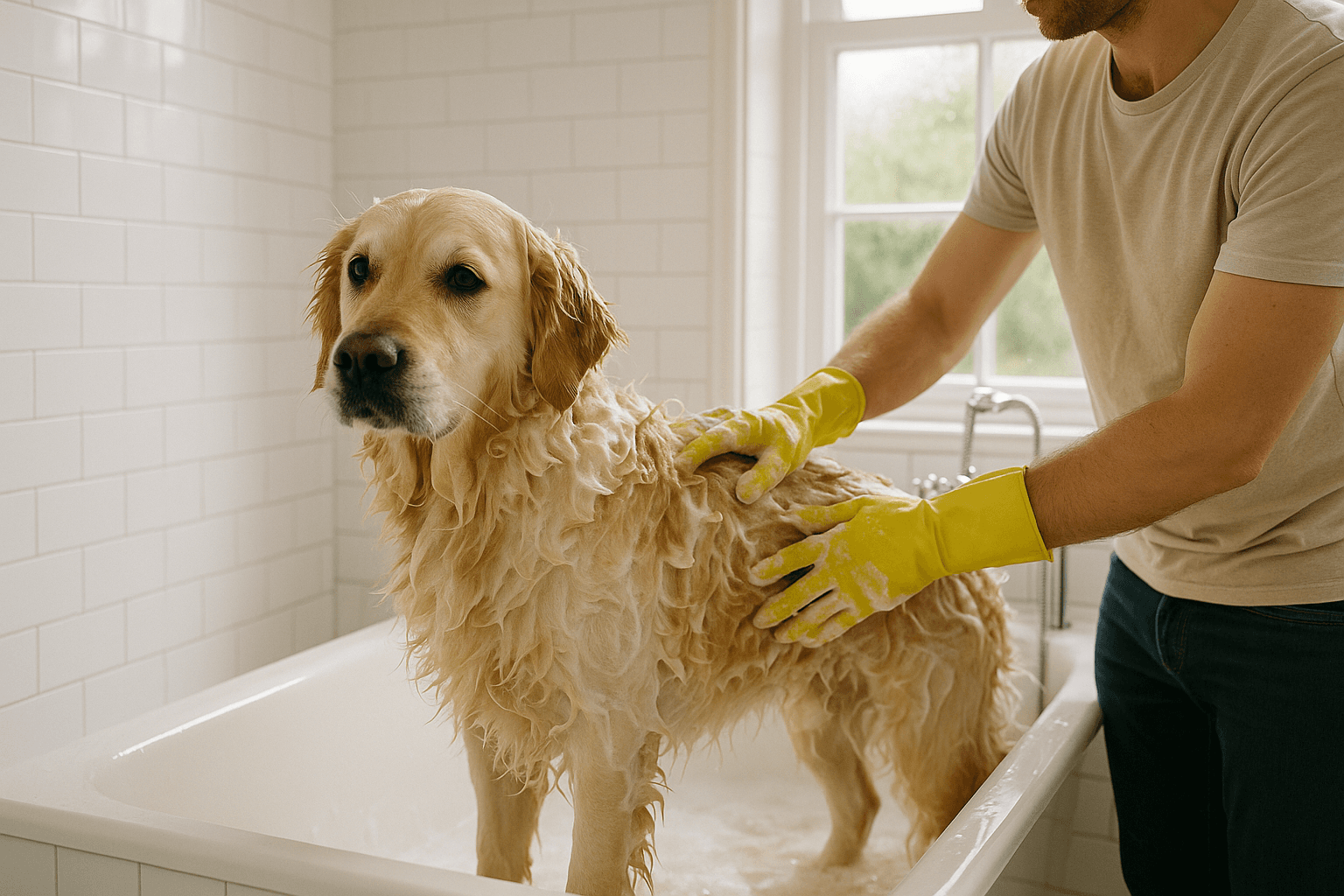
How to Bathe a Dog at Home
Brush thoroughly before the bath. Always.
Use lukewarm water. Dogs have more sensitive skin than humans and a temperature that feels comfortable to you may be too hot for them.
Wet the dog fully before applying any shampoo: coat needs to be saturated for shampoo to lather and rinse properly. Work shampoo in from the neck backwards, keeping it away from the eyes and ears. Lift the ears rather than getting water inside them.
Rinse thoroughly: shampoo residue causes itching and skin irritation. Rinse again when you think you have finished.
If using conditioner, apply after rinsing shampoo, leave for a minute or two, then rinse.
Towel dry first, removing as much water as possible, then finish with a dryer on a low heat setting, keeping it moving. Do not hold the dryer in one spot.
Do not let a dog go outside wet in cold weather. Puppies chill faster than adult dogs, so keep them in a warm room until fully dry.
How to Trim a Dog's Nails at Home
This is the task most owners are most nervous about. The fear is cutting the quick (the blood vessel inside the nail). On light-coloured nails, you can see it as a pink shadow. On dark nails, you cannot, which is why you cut small amounts at a time and stop when you see a small dark dot appear at the cut end of the nail.
Use sharp clippers. Blunt clippers crush rather than cut, which is painful. Clip the tip of the nail only, at roughly a 45-degree angle. If in doubt, take less off rather than more.
Have styptic powder on hand before you start. If you do catch the quick, apply powder directly and hold firm pressure for thirty seconds. It is unpleasant for the dog but not dangerous. Stay calm: your reaction matters more than the event itself.
If the dog is very anxious about clippers, try a nail grinder instead. The vibration feels different and some dogs tolerate it better. Introduce it over several sessions before using it near the nails: let the dog sniff it, then touch it to a paw, then use it briefly on one nail.
If you have never trimmed a dog's nails before, ask your vet or groomer to demonstrate in person before attempting it at home.
How to Clean a Dog's Ears
Monthly ear cleaning prevents wax build-up and reduces the risk of infection. For floppy-eared breeds (Cocker Spaniels, Basset Hounds, Labrador Retrievers), check every two weeks. Floppy ears create a warm, dark environment that infections love.
Pour a small amount of dog ear cleaning solution onto a cotton wool pad. Wipe gently around the visible parts of the inner ear: the ridges and folds you can see without looking down the canal. Never use a cotton bud and never push anything into the ear canal.
Signs that an ear needs a vet visit rather than a clean at home: strong or unpleasant odour, redness or swelling, dark or unusual discharge, the dog scratching persistently or shaking its head repeatedly. An established infection needs treatment, not cleaning.
How to Brush a Dog's Teeth
Dental disease is the most common health problem in adult dogs. Daily brushing is the single most effective thing you can do to prevent it, and it is also the grooming task most owners skip.
Introduce teeth brushing gradually. Week one: let the dog lick a small amount of dog toothpaste from your finger. Week two: rub a finger brush or wrapped-finger gently along the gum line. Week three: introduce a handled toothbrush. The goal is to build tolerance, not to achieve a thorough clean immediately.
Always use dog toothpaste. Human toothpaste contains xylitol, which is toxic to dogs, and fluoride, which should not be swallowed. Dog toothpaste comes in flavours like chicken or beef; the dog is usually enthusiastic, which makes the process easier.
Dental chews and water additives help but they are not replacements for brushing. If brushing is genuinely impossible, speak to your vet about alternatives.
When to Use a Professional Groomer Instead
Home grooming has limits. Know them.
Professional grooming is the right call for: any breed needing clipping or hand-stripping (Poodles, Cockapoos, terriers); severe matting (do not attempt to cut mats out with scissors: the skin sits directly underneath and the risk of cutting it is high); dogs that are too anxious or reactive to groom safely at home; and the first groom for a puppy, where a groomer experienced in handling young dogs sets a positive baseline.
If you are not confident about any task, particularly nail trimming or ear cleaning, ask a vet or groomer to show you before attempting it yourself. Watching something done correctly once is worth more than an hour of reading about it.
Frequently Asked Questions
A basic brush and health check takes 10 to 20 minutes for most dogs. A full session (bath, dry, brush, nail trim, ear clean) takes one to two hours depending on coat type and how cooperative the dog is. Budget more time than you think you need, especially at first.
Basic maintenance is well within reach for most owners who start early and use the right tools. Complex coat types (Poodles, Bichon Frise, Shih Tzu, wire-coated terriers) are harder to manage at home and require professional clipping that most owners cannot replicate. For everything else, practice and consistency matter more than skill.
Start young, keep sessions short, and use high-value treats throughout. A dog that associates grooming with positive experiences tolerates it far better as an adult. For a dog that already dislikes grooming, go back to basics: very brief touch-only sessions with treats, building up gradually over weeks. If the anxiety is severe, a qualified behaviourist or a groomer experienced in anxious dogs is the right next step.
Yes, on the lowest heat setting only. Keep it moving constantly: holding it in one spot burns skin. Dog-specific dryers are faster and better designed for coat types, but a domestic dryer on cool or low is perfectly safe used carefully.
A dog that is never bathed develops a build-up of natural oils, dirt, and dead skin. The coat becomes dull and may smell. Skin conditions and coat matting are more likely. Most dogs do not need bathing more than once a month, but some basic bathing routine is necessary for coat health.
More from Dog Grooming
How Much Does Dog Grooming Cost in the UK?
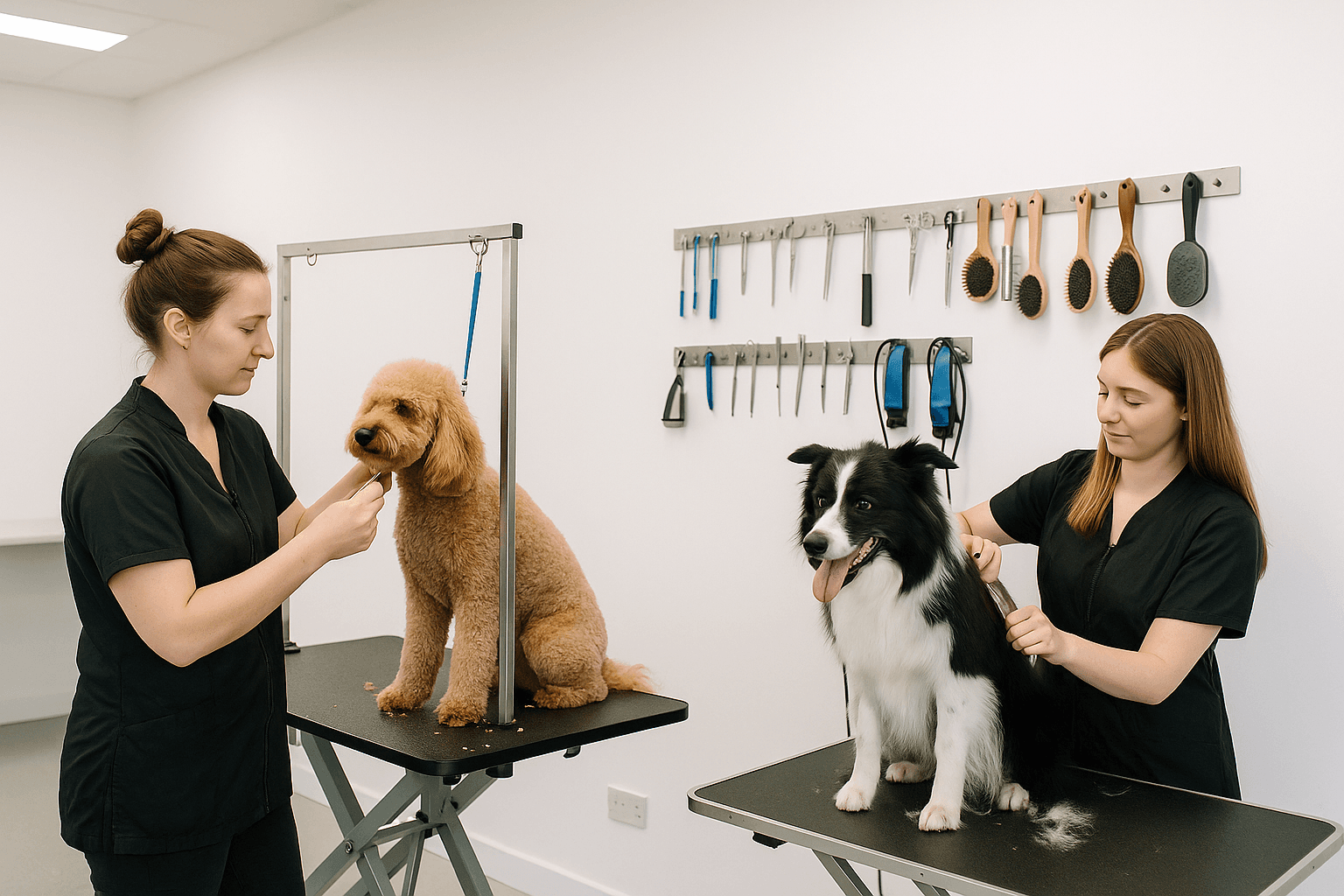
Professional dog grooming in the UK typically costs between £30 and £90 for a full groom. Breed, coat type, size, and location all affect the price, and for high-maintenance coats like Cockapoos and Poodles, annual grooming costs can reach £300 to £520.
Read guide →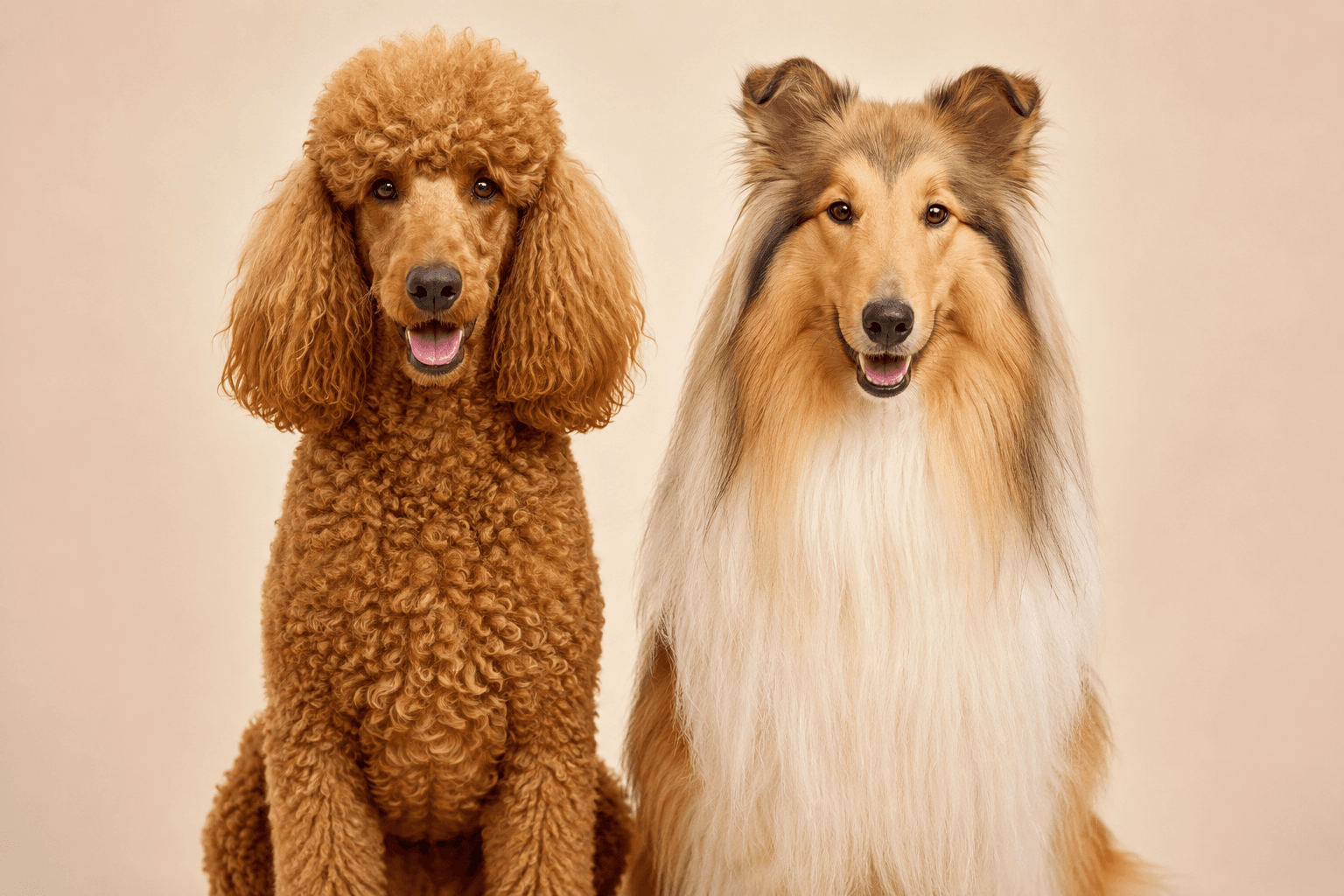
Dog Coat Types and Grooming Needs: The Complete UK Guide
Dogs have seven main coat types: smooth, short double, long double, wire, curly, long silky, and corded. Each one has different grooming requirements: different tools, different frequency, and different demands on your time and budget. Knowing your dog's coat type is the most useful single piece of grooming knowledge you can have.
Read guide →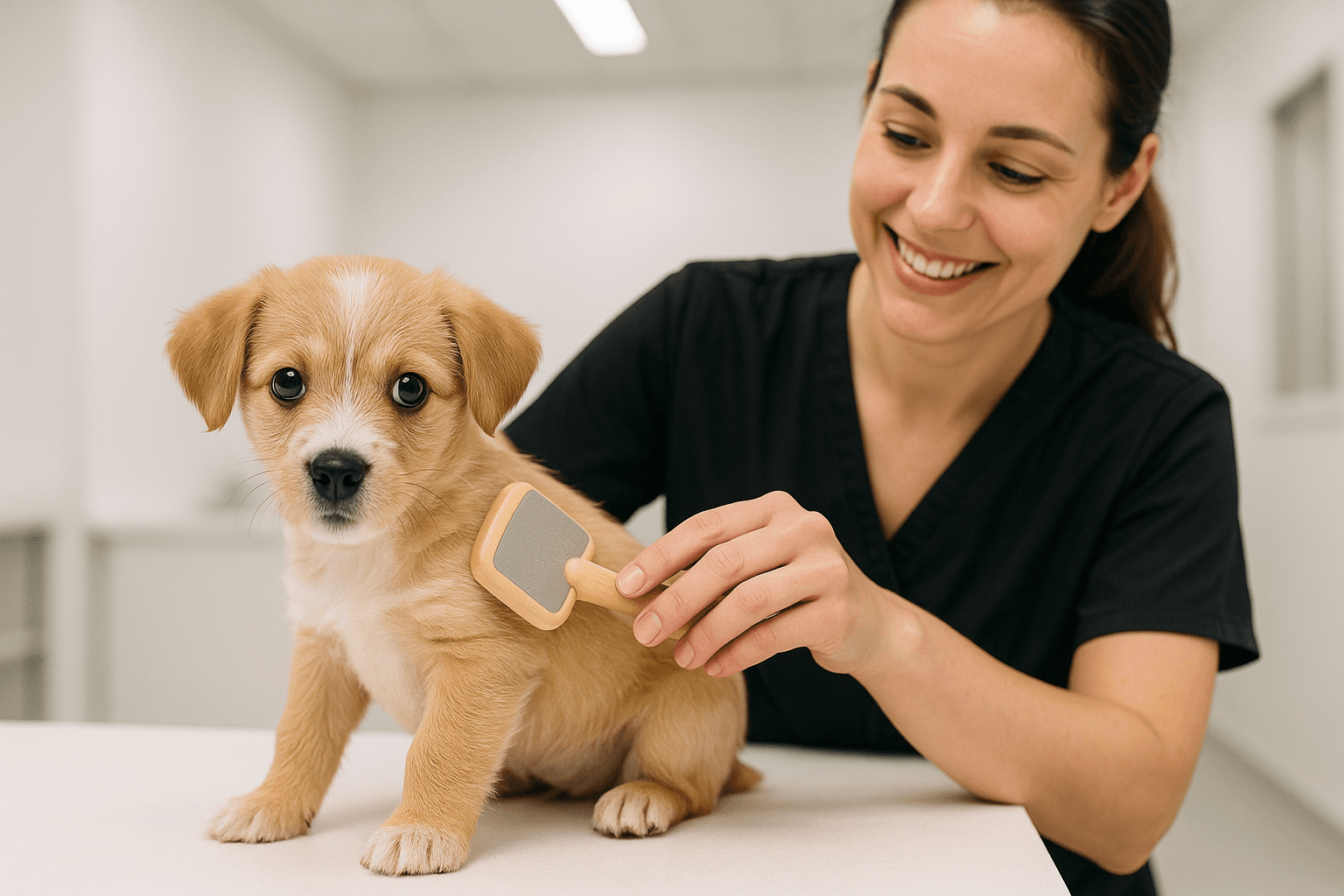
How to Groom a Puppy: The Complete First-Timer's Guide
Start grooming your puppy from the day it comes home. Not because it needs a groom at eight weeks old (it probably does not) but because the window for teaching a dog that grooming is safe, normal, and entirely unremarkable closes faster than most new owners realise. A puppy that learns early becomes an easy dog to groom for the rest of its life.
Read guide →