


The best dog training courses and tools UK
The best dog training courses in the UK in 2026 are Adolescent Dogs Online Academy for most owners and the Karen Pryor i-Click Clicker for anyone starting out with positive reinforcement at home. Our picks are chosen on method first: every course and tool here uses force-free training, because the evidence supports it and the results speak for themselves. This guide covers online courses, apps, and the physical tools that make training sessions more effective.
| Product | |
|---|---|
| Adolescent Dogs Online AcademyAdolescent Dogs | View → |
| Absolute Dogs Pro Dog Trainer CourseAbsolute Dogs | View → |
| Dogo Dog Training AppDogo | View → |
| Tug-E-Nuff Dog Training TugTug-E-Nuff | View → |
| Karen Pryor i-Click Dog Training ClickerKaren Pryor | View → |
| Doggone Good Rapid Rewards Treat BagDoggone Good | View → |

Best structured online course for real-world UK dog owners.
Adolescent Dogs was founded by Dan Abdelnoor and has built a strong reputation in the UK force-free training community. The Online Academy covers everything from foundations to adolescent behaviour, with clear video lessons that work in actual homes rather than ideal conditions. The curriculum is particularly good for owners struggling with the 6-18 month adolescent phase, which is when most dogs are given up or passed on. Subscriber pricing means ongoing access to new content, which is genuinely useful as your dog progresses through different stages. The subscription model adds up over time, so owners who want a one-off purchase may prefer a different option.

Game-based training approach with serious depth for committed owners.
Absolute Dogs has developed a concept-based training approach they call Sexier Than a Squirrel, which focuses on building your dog's capacity to make good choices rather than just training individual behaviours. Their courses are well-produced and the framework is genuinely different from standard obedience training. The Pro Dog Trainer course is aimed at owners who want to go deep, not just get a sit and a stay. Some owners find the proprietary terminology takes adjustment, and the course library is large enough that knowing where to start requires some navigation. Price varies by course, so check the current offer before committing.
Best low-cost app for building daily training habits at home.
Dogo is a structured training app that guides owners through lessons step by step, making it easy to fit five-minute sessions into a normal day. The free tier covers a useful range of basics, and the premium subscription unlocks more advanced content and personalised programmes. It uses positive reinforcement throughout and the lesson format is clear enough for owners with no previous training experience. The app works best for dogs in the early learning stages; owners dealing with significant behavioural issues will need more than an app can provide. The gamified structure motivates some owners and annoys others, so try the free version before subscribing.

UK-made tug toy that turns play into a serious training reward.
Tug-E-Nuff makes training tugs designed specifically for reward-based work, and the quality is noticeably better than cheaper alternatives. A tug toy used properly is one of the highest-value rewards available for play-motivated dogs, and it keeps your hands free from treat pouches when you need them for handling. The company is UK-based, which means faster delivery and the ability to replace worn items easily. Tug toys are not suitable for all dogs, particularly those with existing resource guarding or those who struggle to disengage from arousal, so introduce them carefully. The range covers different sizes and prey-movement styles, so check which suits your dog's play drive.
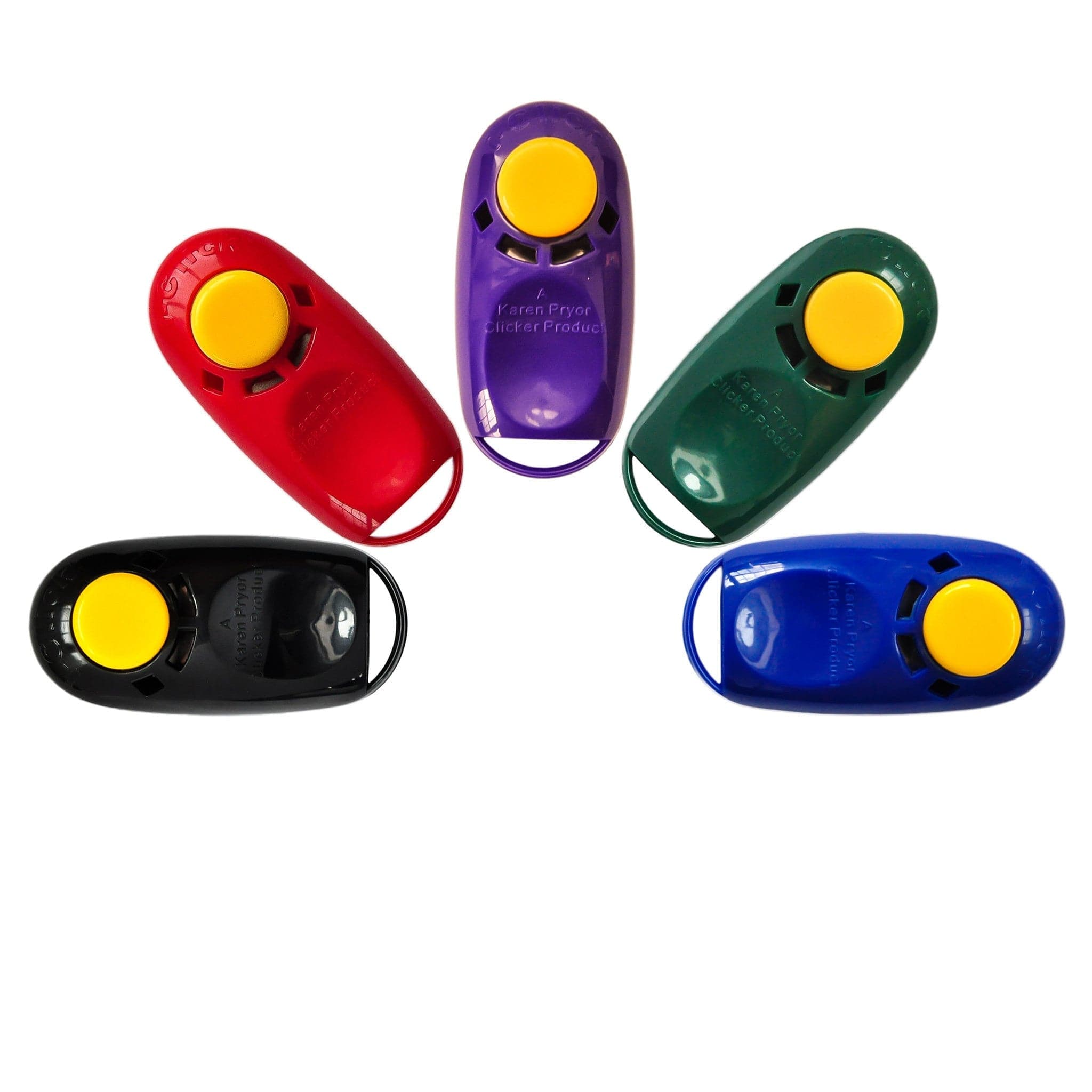
The most reliable clicker on the market at under a fiver.
The Karen Pryor i-Click is the clicker most professional trainers reach for, and at under £8 it is one of the best-value purchases in dog training. The button mechanism is quieter and more consistent than box-style clickers, which matters for sound-sensitive dogs. Clicker training requires the owner to learn correct timing, and a clicker used with poor timing can create confusion rather than clarity, so pairing this with a good course is worthwhile. One clicker is enough for most households, but buy a spare because they are easy to lose. The ergonomic design makes it comfortable to hold during longer sessions.
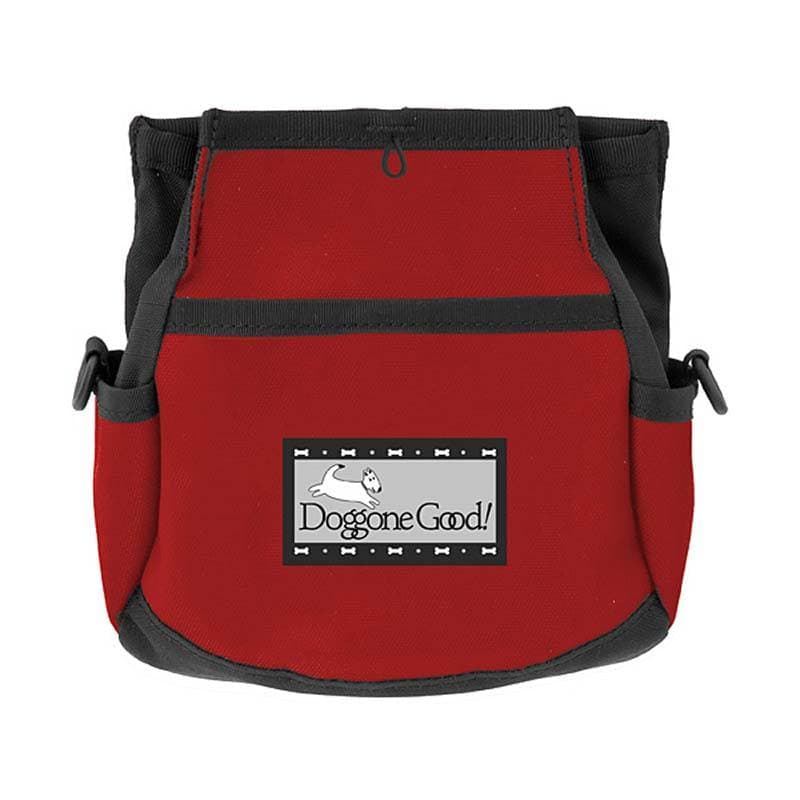
Fast-access treat pouch that stays out of the way during training.
The Rapid Rewards bag has a magnetic closure that opens and snaps shut one-handed, which matters when you are trying to mark and reward precisely timed behaviour. It clips to a belt or waistband and sits flat enough not to distract the dog between rewards. The capacity is generous without being bulky, and the liner is removable for washing. Some owners find the magnetic closure occasionally catches fabric, so check the positioning before heading out. It is designed for training use rather than casual walks, and it shows in the details.
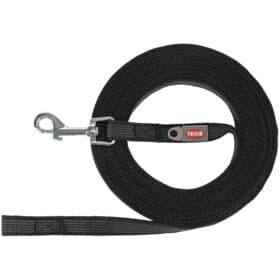
Essential safety line for building reliable recall in open spaces.
A 10-metre long line is the single most underused tool in recall training, and the Trixie version offers good quality at a price that makes it easy to replace when it gets muddy and worn. The long line allows a dog to experience the feeling of freedom and choice while the owner retains the ability to prevent self-rewarding behaviour like chasing squirrels or greeting unknown dogs. It is not a substitute for a recall cue but a management tool used during the teaching phase. Long lines should always be attached to a harness rather than a collar to avoid neck strain if the dog hits the end suddenly. The 10m length works well for most open spaces; 5m is better for more restricted areas.
Frequently asked questions
What is the best online dog training course in the UK?
Adolescent Dogs Online Academy is the best online dog training course for most UK owners in 2026. It covers real-world challenges including adolescent behaviour, reactivity foundations, and life-skills training, using force-free methods throughout. The subscription model means content is regularly updated and owners can revisit material as their dog develops. Absolute Dogs is a strong alternative for owners who want a concept-based approach and are prepared to go deeper into the material.
Is positive reinforcement really better than other training methods?
Yes. The clinical evidence consistently shows that force-free, reward-based training produces better long-term behavioural outcomes than punishment-based methods. Aversive techniques carry a documented risk of fallout behaviours including increased anxiety, fear, and redirected aggression. The Association of Pet Dog Trainers UK and the Animal Behaviour and Training Council both recommend positive reinforcement as the standard. This is not simply a matter of opinion.
Can I train an older dog, or is it too late?
It is not too late to train an older dog. Dogs continue to learn throughout their lives, and many older dogs take to training well because they are calmer and more focused than puppies. Adolescent dogs, roughly 6-18 months, can seem harder to train because of developmental changes in the brain, but this phase passes. The main adjustment with older dogs is that existing habits may take longer to change than teaching a fresh behaviour to a puppy.
How do I improve my dog's recall?
Start by making come reliably predict something good, not just the end of an activity. Use high-value rewards, practise in low-distraction environments first, and use a long line for safety while the behaviour is still being established. Never call your dog to you for something they find unpleasant, such as nail trimming or bathing, go to them instead. Consistent, short sessions over several weeks produce more reliable recall than occasional intensive practice.
Do I need a professional dog trainer or can I manage at home?
Most basic obedience and life-skills training can be achieved at home with a good course or app, consistent practice, and patience. If your dog shows aggression towards people or other dogs, significant fear responses, or severe separation anxiety, a qualified behaviourist is the appropriate route rather than a DIY programme. Look for trainers accredited by the APDT UK or registered with the Animal Behaviour and Training Council. A one-off consultation can also help owners understand what they are dealing with before deciding on a course of action.
What is the best age to start training a puppy?
Training can begin as soon as your puppy arrives home, typically at around eight weeks old. Short sessions of two to five minutes using positive reinforcement are appropriate at this age. Early training is less about teaching specific commands and more about building a habit of engagement and learning. For a full guide to the first weeks, see our new puppy essentials guide at /guides/new-puppy-essentials-uk.
Are training apps good enough to replace a proper course?
Training apps like Dogo are genuinely useful for owners who want structure and daily habit-building, particularly for foundations and basic obedience. They are not a replacement for a full course when dealing with complex behaviour challenges or an owner who needs to understand the why behind techniques, not just the steps. The best approach for most owners is an app for daily practice alongside a more in-depth course for understanding and troubleshooting.
Woof & Woofer earns a small commission from some links on this page. This never influences our recommendations. Learn more.
More buying guides
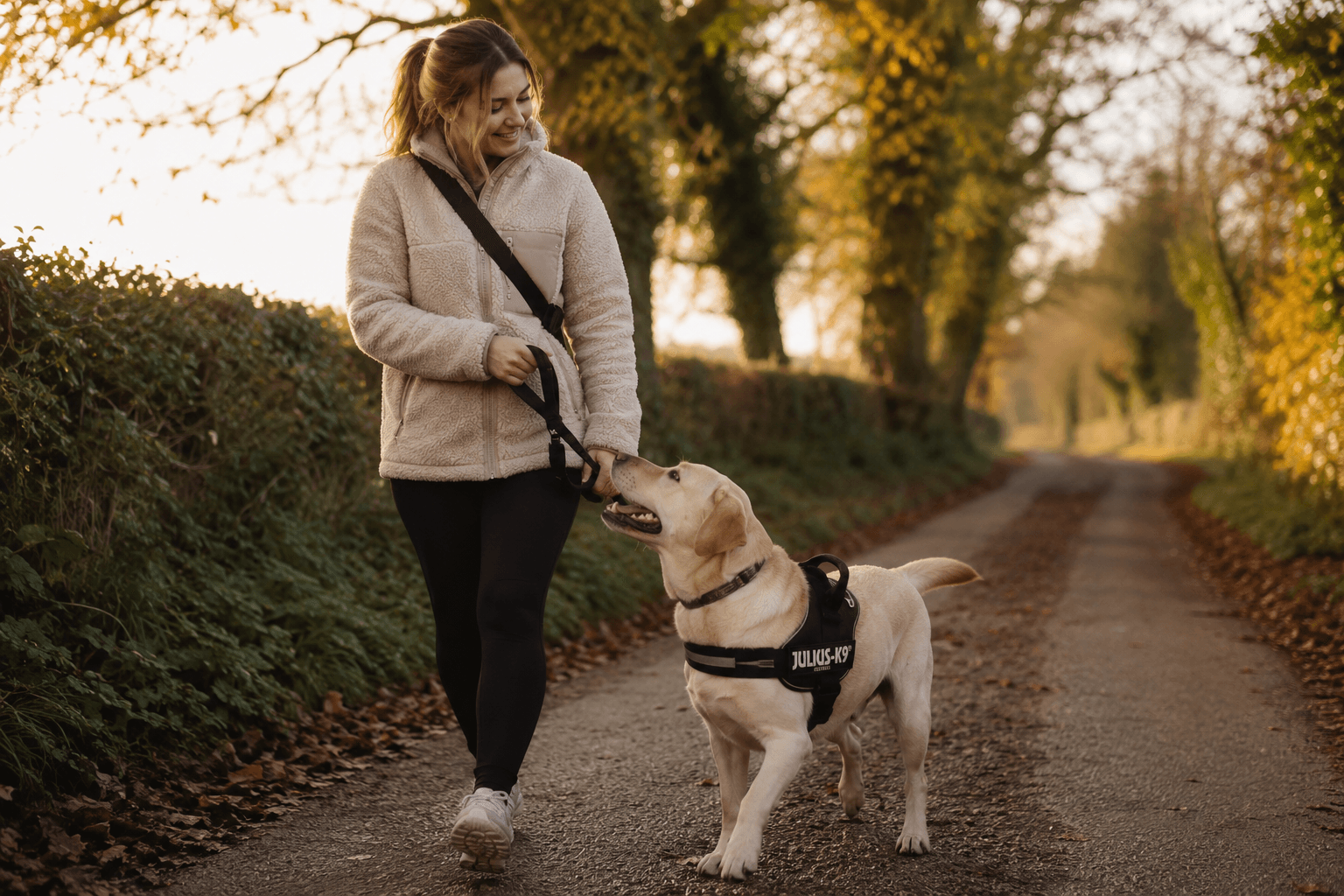
First dog essentials UK: everything you need
Getting a dog for the first time means buying before you know what you actually need. This kit covers the genuine essentials you will use from week one, plus the extras that prevent the most common first-dog mistakes. It works equally well for an adopted adult dog, a dog from a breeder, or an older puppy moving into its forever home.
Read the guide →
Senior dog essentials UK: what actually helps
Most senior dog products are repackaged standard products with a grey dog on the box. This kit covers what the evidence actually supports, from the only dog bed with peer-reviewed clinical data to the joint supplements UK vets recommend. Your dog cannot tell you they are in pain. These products help you manage what you cannot see.
Read the guide →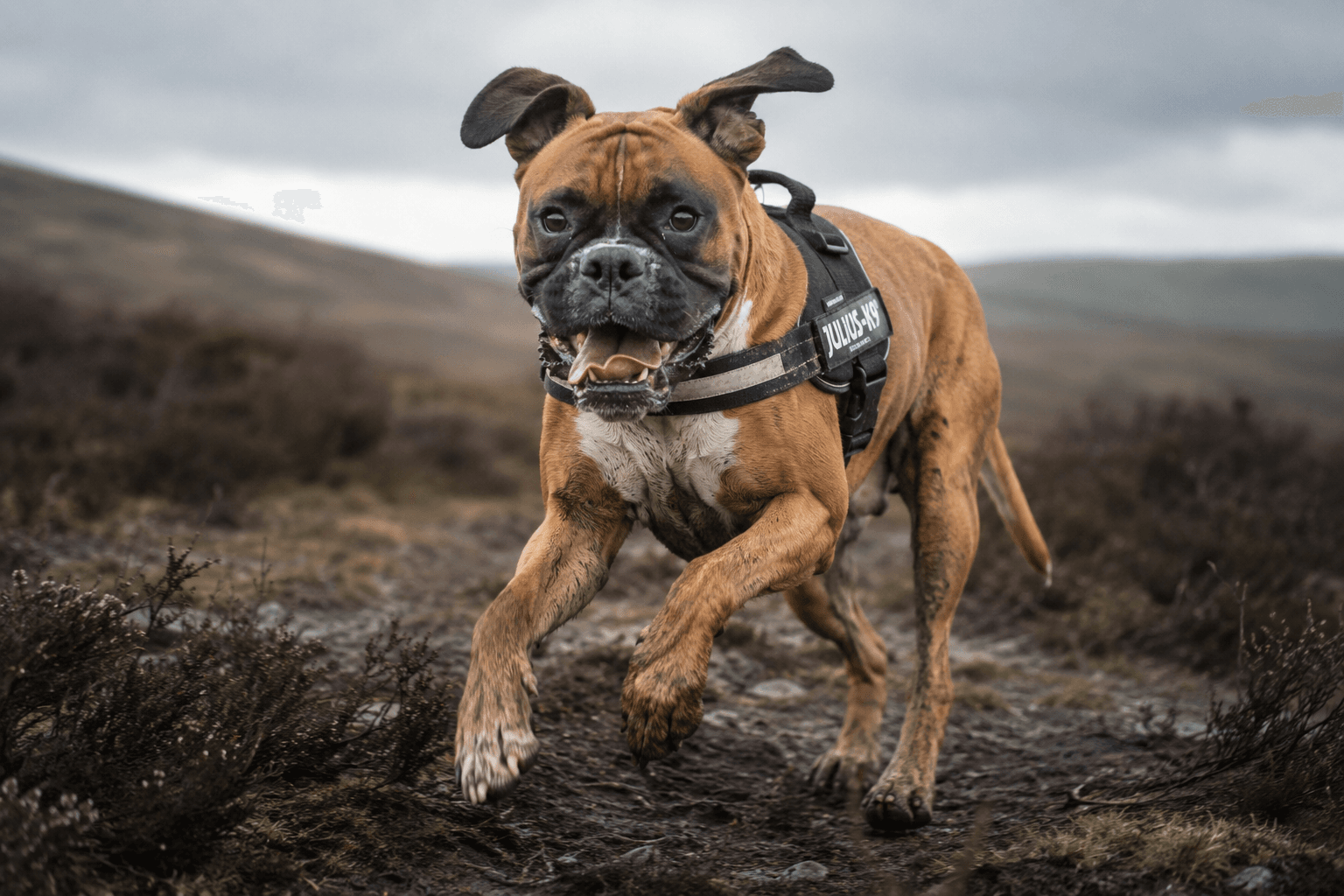
Active dog essentials UK: gear for high-energy and working dogs
Most dogs need a walk. Active dogs need equipment that keeps up with them. This kit is for high-energy breeds, working dogs, and owners who do more than a pavement circuit twice a day. Everything here is chosen for performance and durability, not for the lifestyle image on the packaging.
Read the guide →