


Everything you need for a Labrador Retriever
Labradors are friendly, greedy, energetic and built like tanks. They need more than most dogs in almost every category: bigger crate, stronger harness, better slow feeder, tougher toys. This guide covers everything a Labrador owner needs before their dog arrives and in the months after.
What this guide covers
Feeding
Labradors are famously food-motivated and famously greedy. A slow feeder is not optional, it is a health requirement. Labs are prone to bloat (gastric dilatation-volvulus) if they eat too fast, which in severe cases is life-threatening. Start the slow feeder habit from day one.
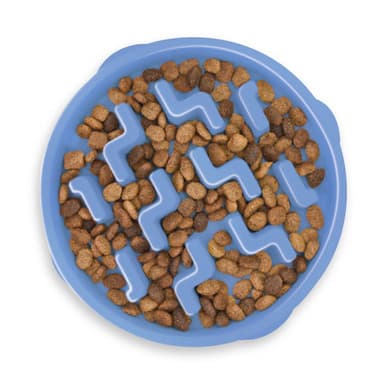
The single most important thing to buy before a Labrador arrives.
The ridge and maze design slows eating by up to ten times compared to a standard bowl. Dishwasher safe, non-slip base, multiple sizes. Get the large. A slow feeder for a Labrador is not about manners, it is about preventing bloat, a genuine medical emergency this breed is predisposed to.
Two bowls, one for food, one for water, both dishwasher safe.
Labradors drink a lot and knock things over. Stainless steel with a non-slip rubber base is more durable than ceramic and easier to clean than plastic. The set of two covers food and water. Replace the food bowl with the slow feeder above once it arrives.
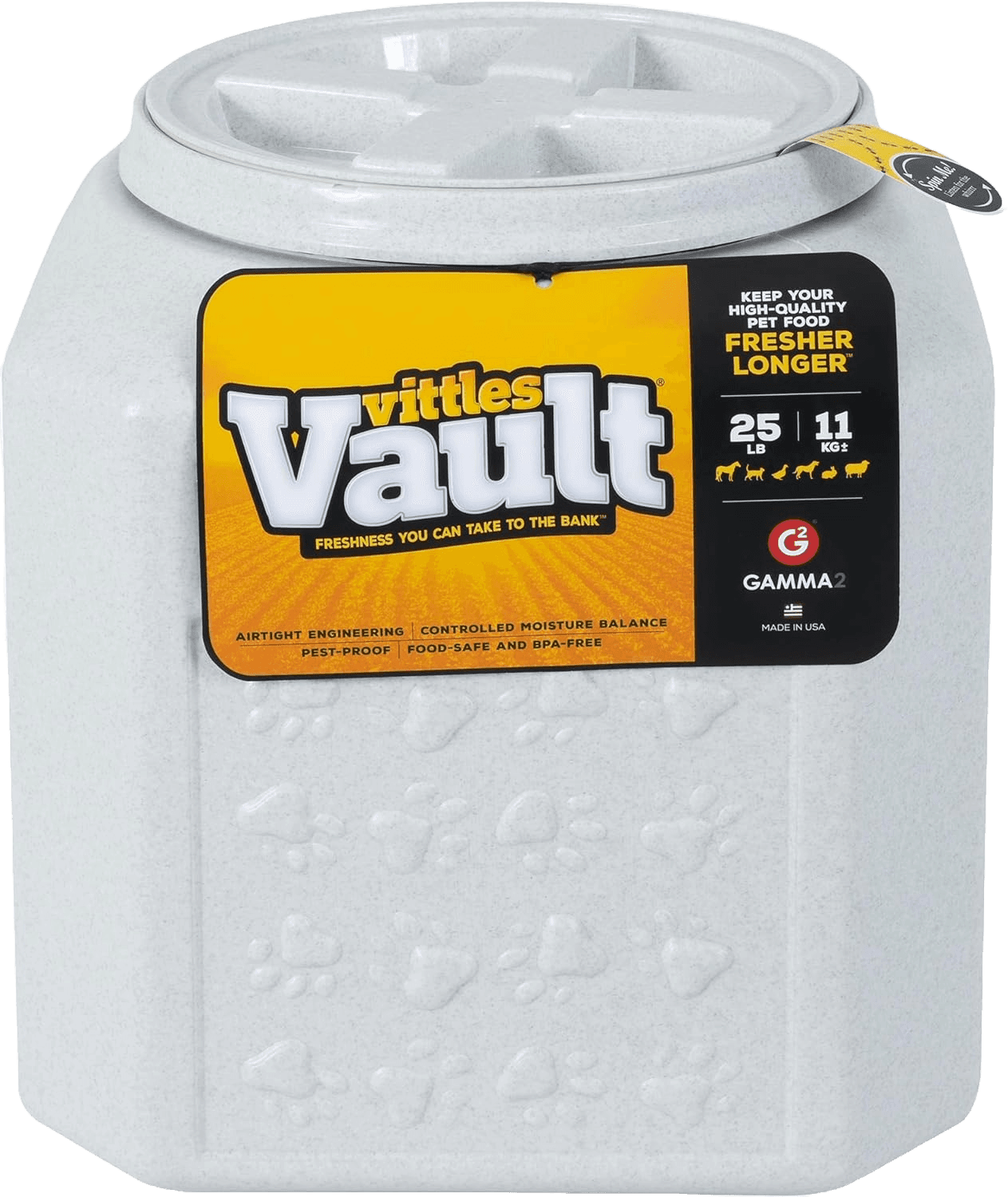
Labradors will get into anything. This they will not.
A Labrador can open a standard bag of food in under a minute if left unsupervised. The Vittles Vault is airtight, stackable, and keeps food fresh while keeping opportunistic noses out. Get the 15kg capacity for a large breed on adult portions.

A reliable starting point while you settle on a long-term diet.
Harringtons is a decent starting point, complete nutrition, no artificial colours or flavours, widely available. Labradors are prone to weight gain and a breed-specific food with controlled calorie density is worth moving to once your dog is settled. Your vet will advise at the first check-up.
Sleep and rest
A Labrador puppy will sleep a lot. An adult Labrador will take up most of the sofa if you let them. Get the crate right from day one, Labradors respond well to crate training and it gives them a safe space they genuinely use.

The right size for a Labrador from puppy to adult.
A 36-inch crate fits a Labrador comfortably throughout their adult life. Fold-flat for travel, double-door for flexibility, divider panel included so you can reduce the space for a puppy and expand as they grow. Labradors take to crate training easily, start the night you bring them home.

The long-term investment in your Labrador joint health.
Hip and elbow dysplasia are the most common health issues in Labradors. A quality orthopaedic bed reduces daily joint stress, particularly important in older dogs. The Big Barker uses 7-inch therapeutic foam and is clinically shown to reduce pain and stiffness in dogs with arthritis. Worth buying once your dog is fully grown rather than for a puppy.
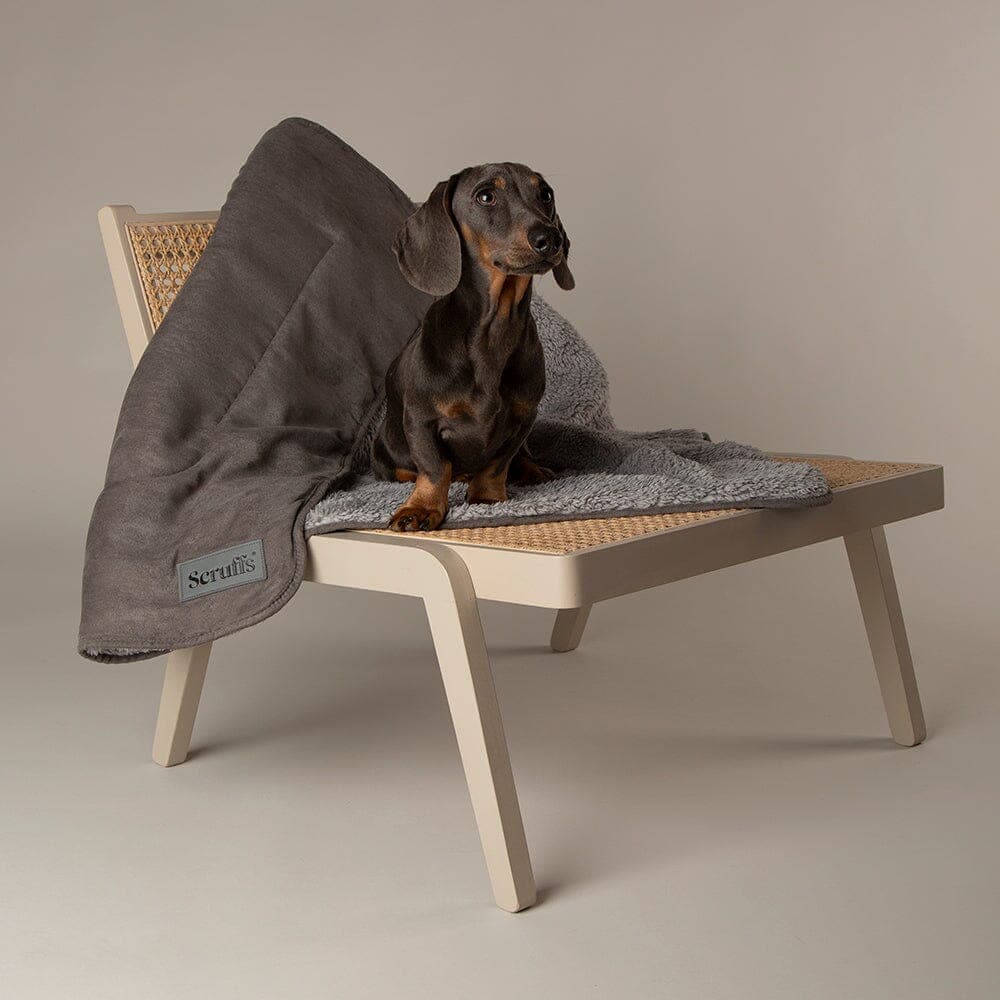
For the crate, the boot of the car, the sofa they are not supposed to be on.
A washable blanket is one of those things you buy once and use everywhere. In the crate for comfort, in the car to protect the seat cover, over the sofa arm for the inevitable. Scruffs wash well and stay soft. Get two, one in the wash, one in use.
Walking and safety
Labradors are strong pullers, particularly as adolescents. A well-fitted harness is essential, a collar alone puts dangerous pressure on the throat of a dog this size when they pull. The ID tag is a legal requirement in the UK under the Control of Dogs Order 1992. Your dog must wear one in public at all times.
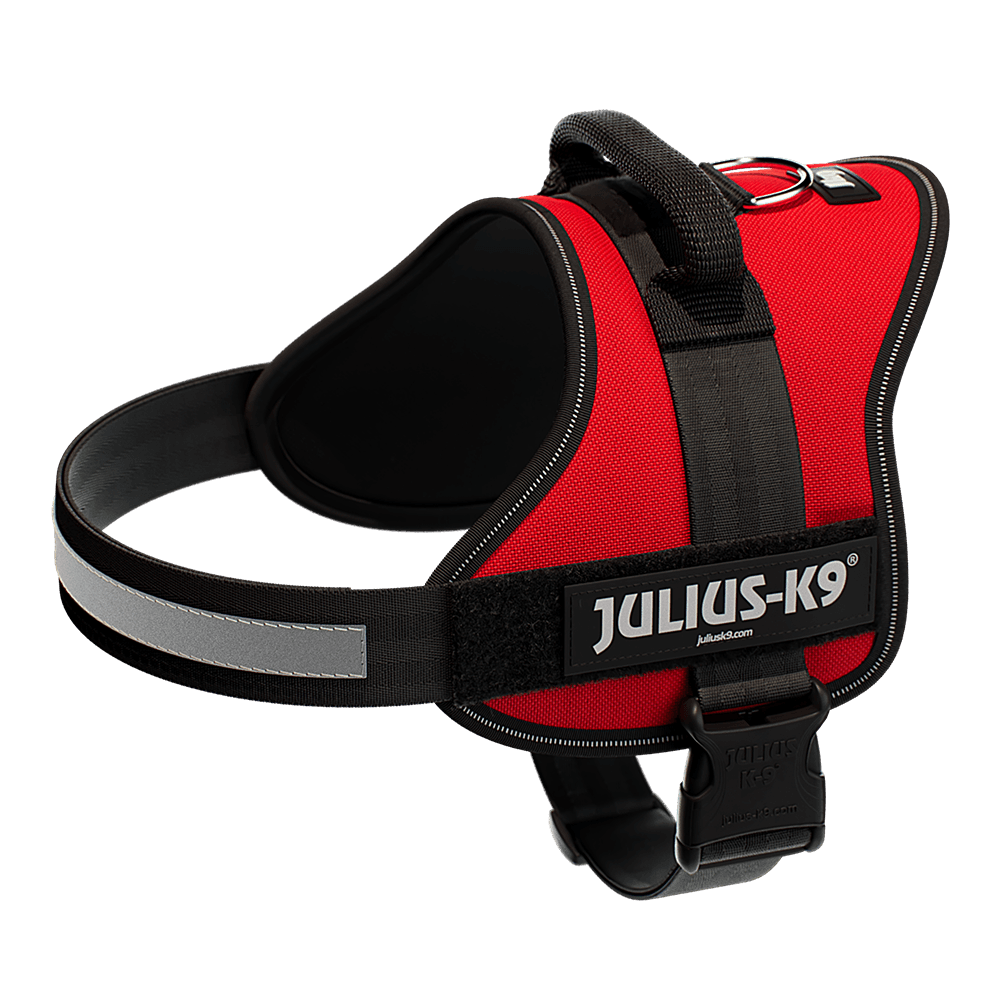
Built for working dogs. Handles a Labrador without drama.
Originally developed for police and security dogs, the Julius-K9 is the go-to harness for large strong breeds. The angled chest strap keeps pressure away from the throat, the closable handle gives immediate control, and the velcro patches let you label your dog. Measure your Labrador chest girth carefully before ordering, Julius-K9 uses numbered sizes, not S/M/L.
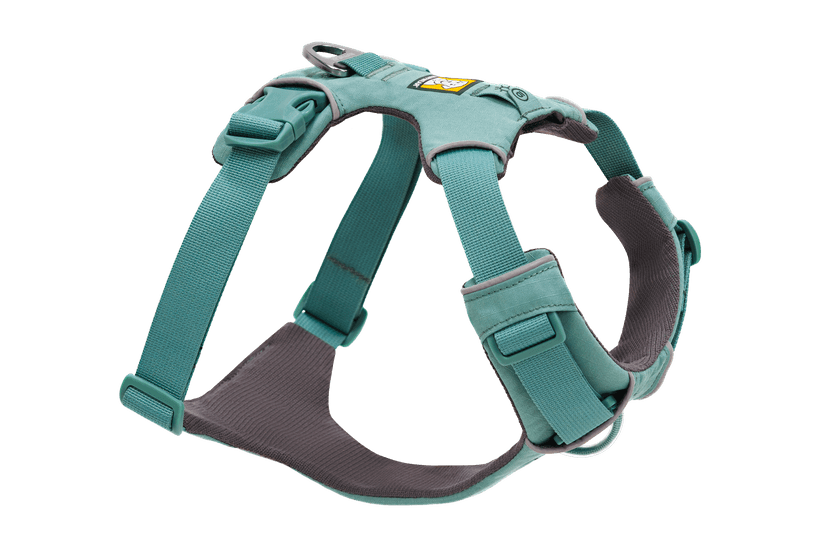
For the ID tag and around the house, not for walking a pulling Labrador.
Your Labrador needs a collar for their ID tag. The Ruffwear Front Range collar is durable, padded, and has a solid D-ring. Use it to carry the ID tag. Use the harness for all walks until your dog has reliable loose-lead manners.

120 bags per pack. With a Labrador, you will get through them.
Lavender-scented, leak-proof, handle-tie. Labradors are large dogs and produce accordingly. The handle tie is worth having on muddy walks. Earth Rated are the industry standard, thick enough not to split, big enough to be useful.
Clips to any lead. You will never leave the house without a bag again.
Attaches to the lead handle so bags are always there when you need them. Compatible with Earth Rated rolls. Small enough to ignore, useful enough that you notice immediately when it is not there.
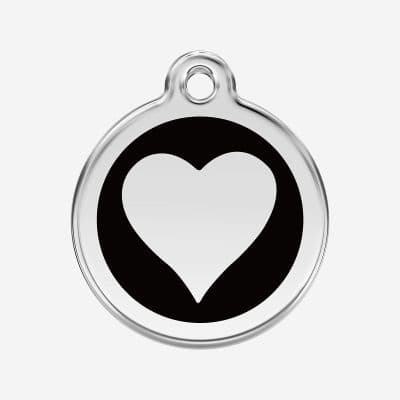
A legal requirement. Buy it before your dog comes home.
Under the Control of Dogs Order 1992, every dog in a public place must wear a tag engraved with the owner name and address. Not a phone number, an address. Get the medium or large size for a Labrador. Red Dingo are stainless steel with enamel designs, do not rust, and last years. Order it engraved before collection day.
Settling in
The first week is the hardest, for you and your dog. These products do not solve everything but they make the transition significantly easier. If you are getting a puppy, puppy pads are non-negotiable for the first few weeks. If you are getting an adult rescue, Adaptil helps enormously with the anxiety of a new environment.
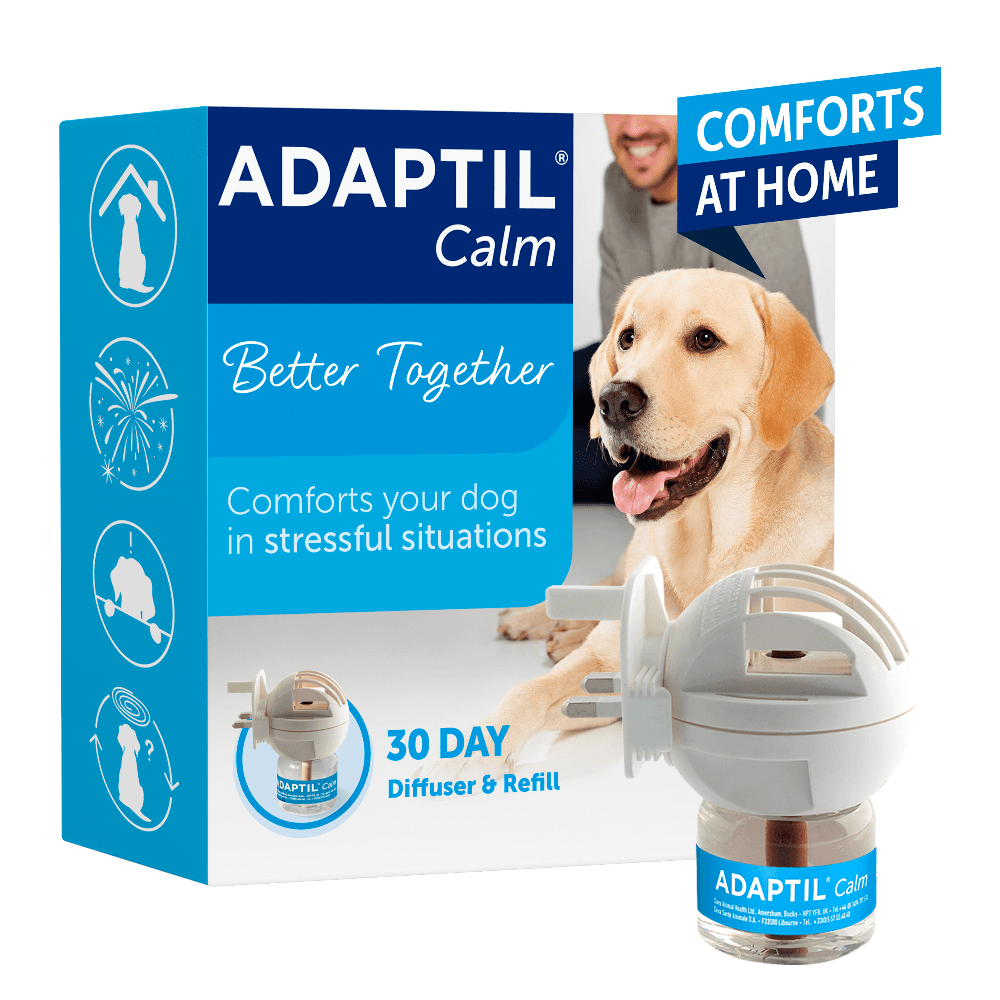
Plug it in before your dog arrives. Leave it running for the first month.
Adaptil releases a synthetic version of the calming pheromone mother dogs produce for their puppies. It does not sedate your dog, it takes the edge off a new environment. Plug it in the room where the crate is, two days before collection. Most owners notice a calmer first night. Covers up to 70 square metres per refill.
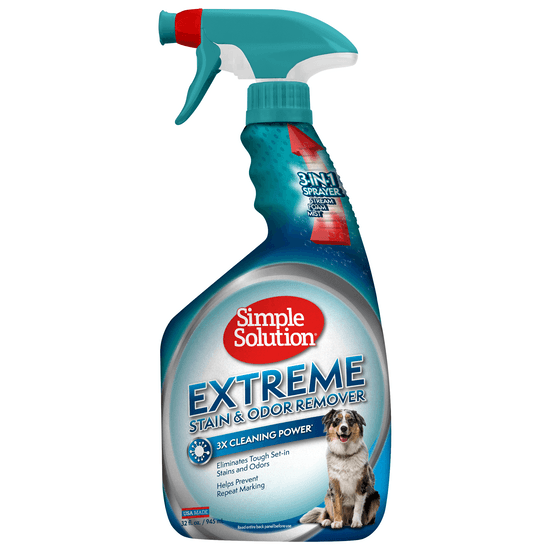
For puppies only, buy a large pack and accept the first few weeks.
Puppies cannot hold their bladder overnight until around 12-16 weeks, and even then accidents happen. Puppy pads near the crate reduce the cleaning load significantly. Simple Solution have an attractant scent that encourages use. Skip this if you are getting an adult dog.

Keeps your Labrador out of rooms they should not be in yet.
A stair gate buys you the time to housebreak your dog properly without giving them the run of the house. Labradors are curious and will get into everything. The Cumbor pressure-fit gate requires no drilling, fits openings from 60-104cm, and has one-hand operation.
Buy it before the first accident. You will need it.
Enzyme-based formula that breaks down the proteins in urine and eliminates odour rather than masking it. This matters because dogs return to spots that smell like previous accidents. Spray generously, leave to work for 10 minutes, blot. Works on carpet, hard floors and upholstery.
Grooming
Labradors have a short dense double coat that sheds heavily, particularly in spring and autumn. The good news: grooming is quick. The bad news: the hair gets everywhere. A FURminator used twice a week during shedding season dramatically reduces the volume on your furniture, clothes and carpet.

The tool that actually removes the undercoat, not just the surface hair.
The FURminator reaches through the topcoat to remove loose undercoat hair before it ends up on your sofa. Used once or twice a week it significantly reduces shedding. Use the short-hair version for a Labrador. Always follow the grain of the coat, never press hard.
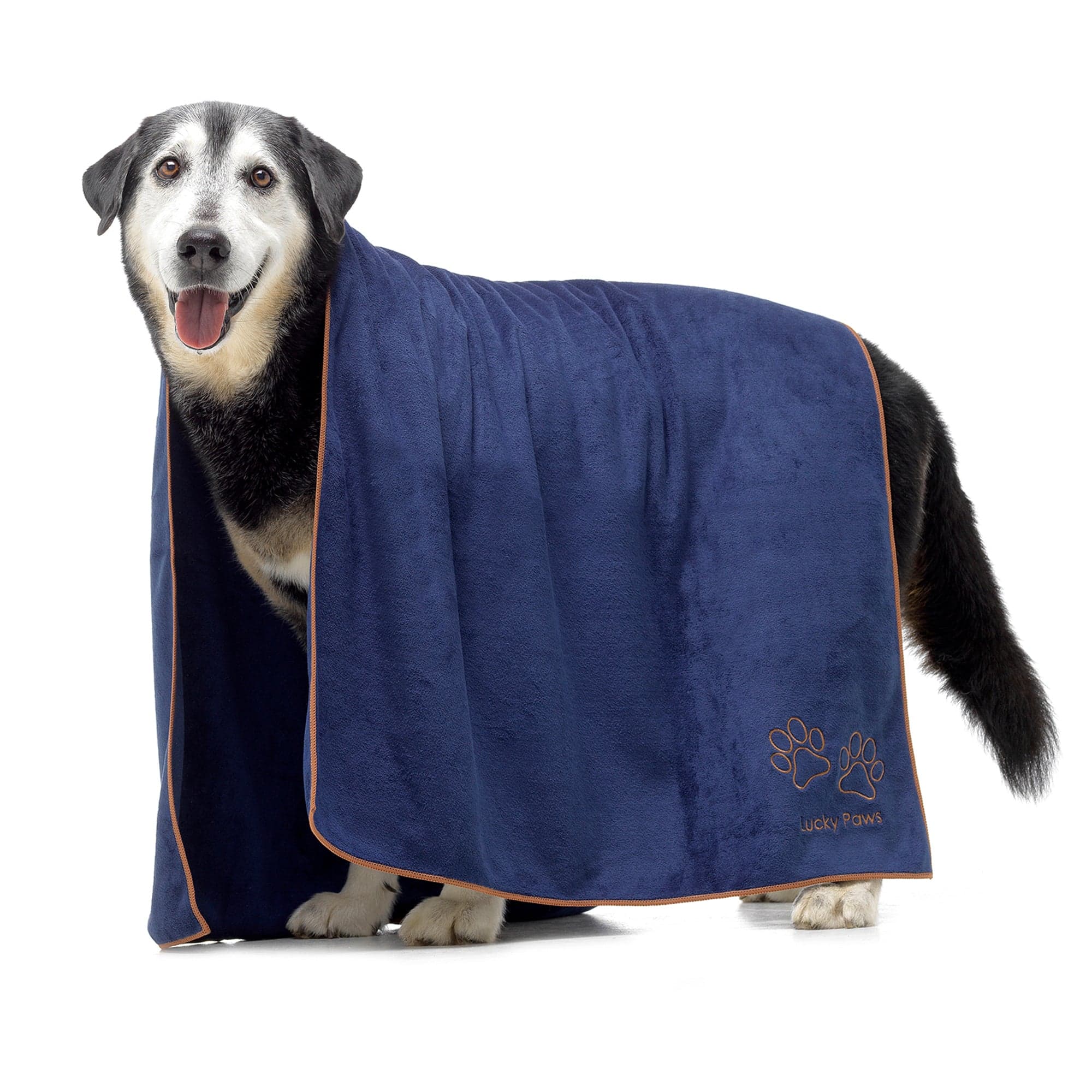
For after every muddy walk. Labradors find every puddle.
Labradors love water and mud in equal measure. A dedicated dog towel by the door transforms the daily routine. The Lucky Paws XL microfibre towel is 140x70cm, big enough for a wet Labrador, quick-drying, machine washable. Keep two: one for the dog, one for the floor.
Health and preventative care
Labradors are generally a robust breed but they have known health predispositions: hip and elbow dysplasia, obesity, and ear infections from swimming. Pet insurance is strongly recommended, hip surgery for a Labrador can cost £3,000-6,000 per hip without cover. Register with a vet before your dog arrives.
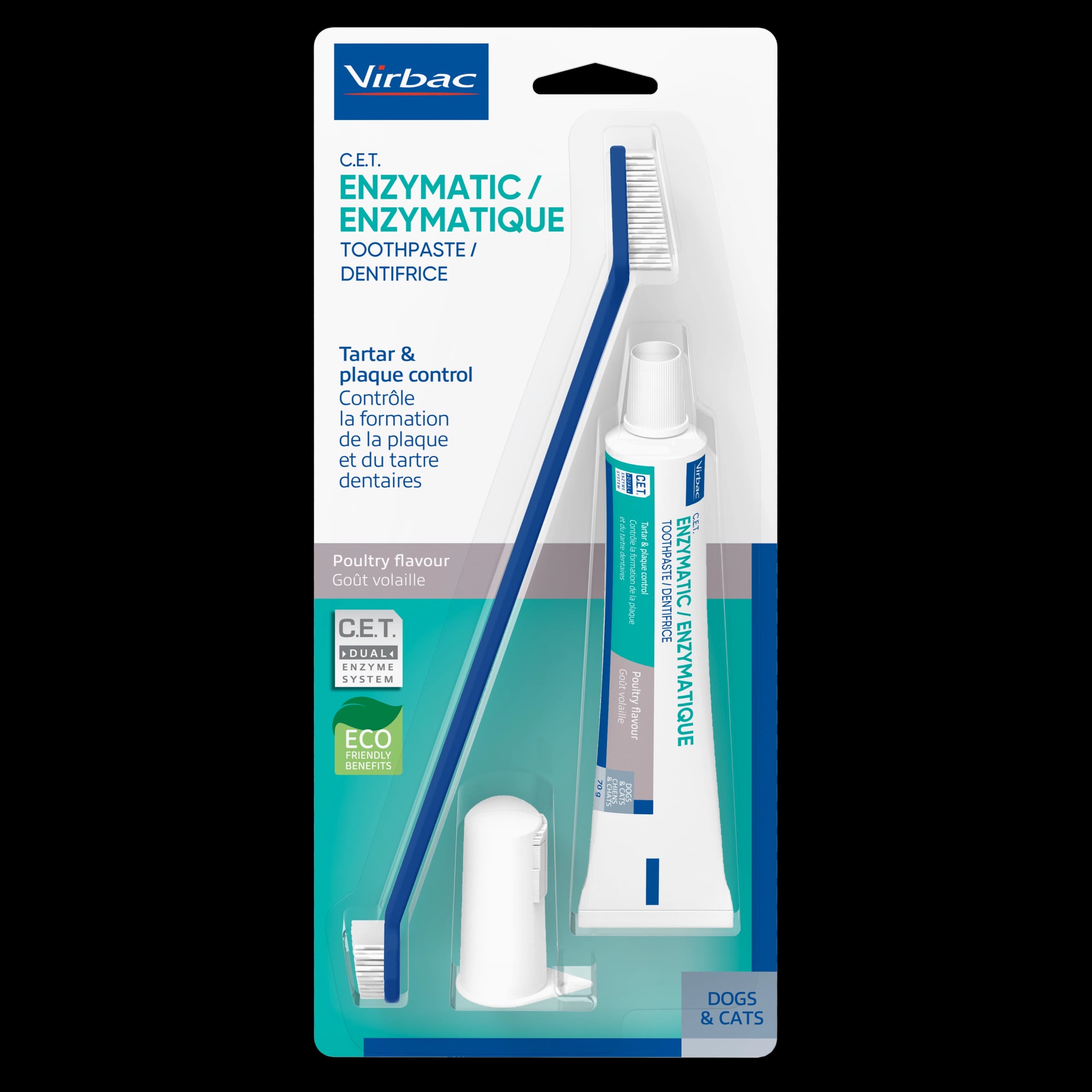
Treat the home, not just the dog.
95% of a flea infestation lives in your home, not on your dog. Treating your dog alone does not break the cycle. Indorex treats up to 100 square metres and remains effective for up to 12 months. Use it once in every room before your dog arrives. Then use a vet-recommended spot-on or chewable for the dog monthly.
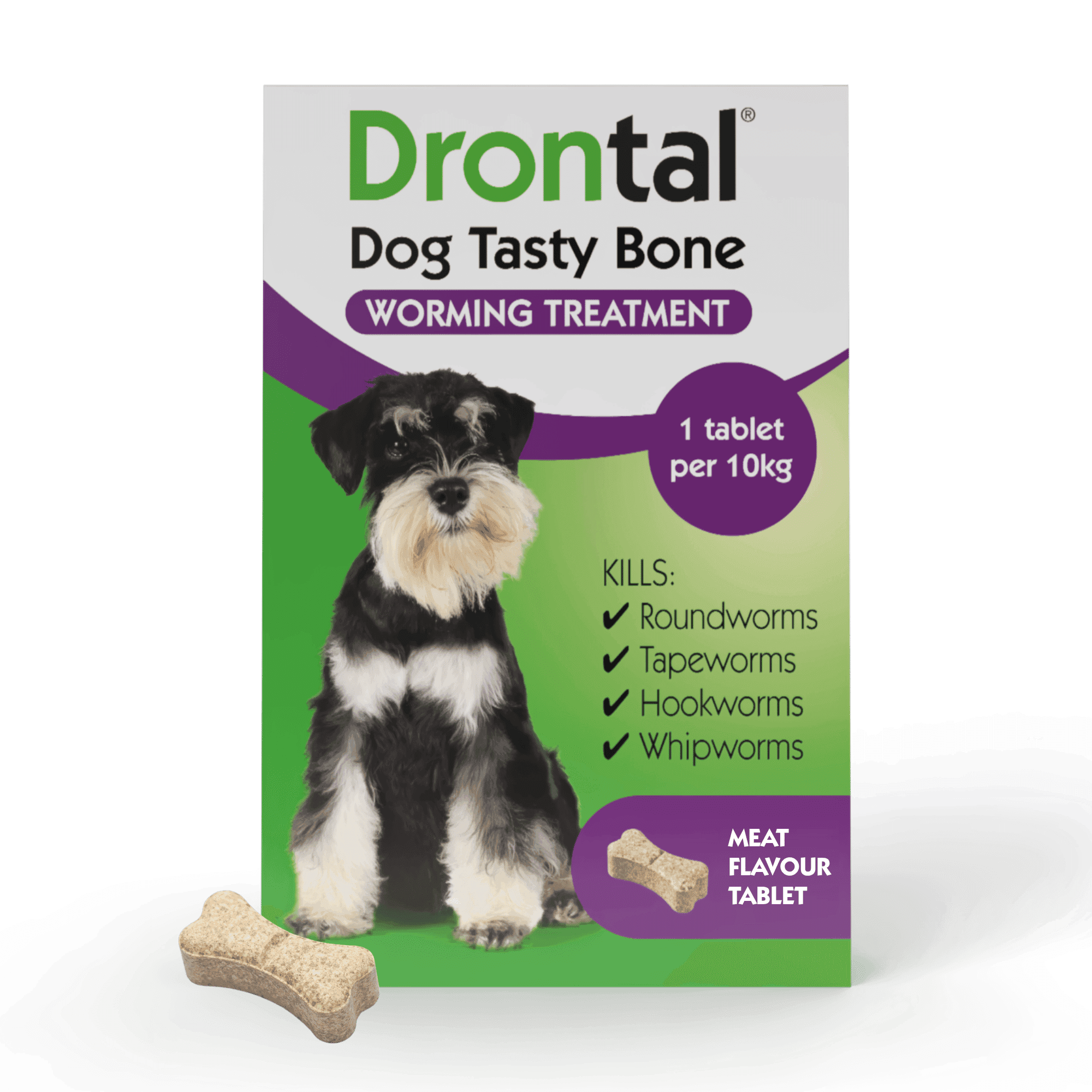
Worm every three months. This is the vet-recommended option.
Drontal treats all common intestinal worms including roundworm, tapeworm, hookworm and whipworm. Puppies need worming more frequently, every two weeks until 12 weeks, monthly until 6 months, then every three months as adults. Your vet will confirm the schedule at the first check-up.

One per day from 9 months. Start the habit early.
VOHC-accepted, plant-based, no artificial additives. Daily dental care from puppyhood prevents expensive vet bills later. One Whimzees Stix after the last meal per day is the simplest habit to build. Switch to the large size once your Labrador reaches adult weight.
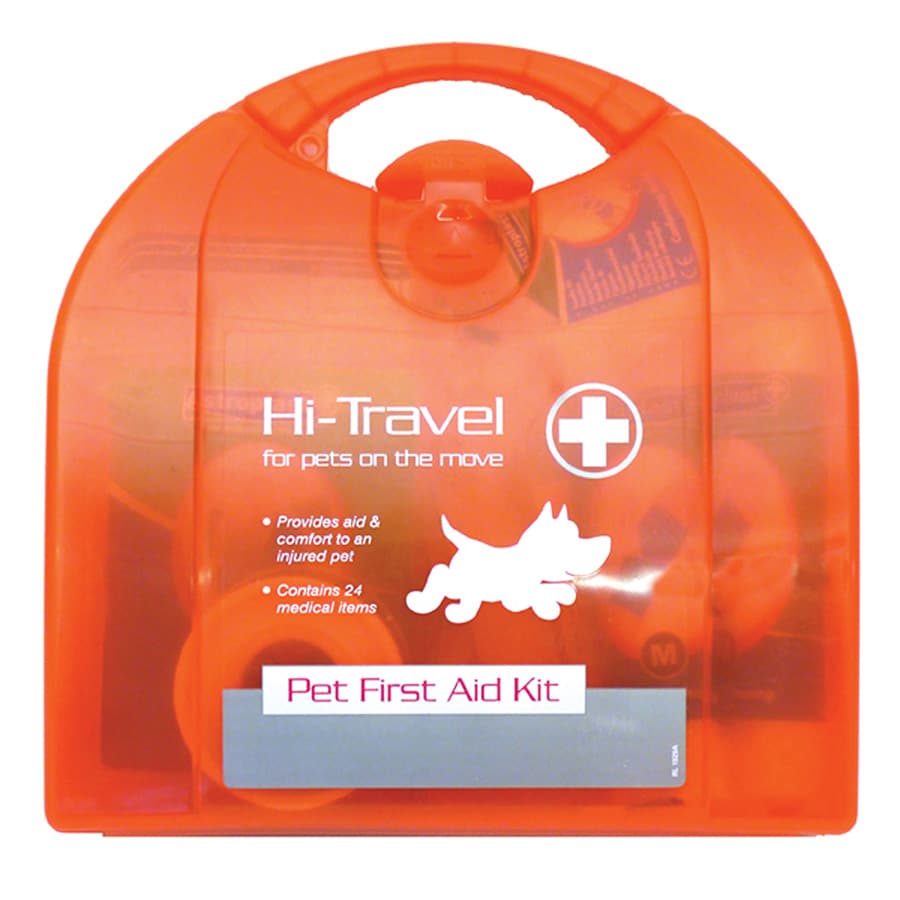
For the moments before you can reach the vet.
Includes bandages, gauze, antiseptic wipes, a tick remover, a digital thermometer and a foil blanket. Labradors get into things, cuts from brambles, ticks from long grass, minor injuries on walks. A first aid kit does not replace veterinary care but it buys you time.
Toys and enrichment
Labradors need 90-120 minutes of exercise daily as adults, but mental stimulation matters as much as physical. A bored Labrador destroys things. A mentally tired Labrador sleeps. The KONG is the single most useful purchase for this breed at any life stage.

Buy two. You will always want one in the freezer.
Stuff with peanut butter, wet food or kibble and freeze overnight. A frozen KONG buys you 20-40 minutes of quiet focus from a Labrador. It is enrichment, it is a reward, and it is the only toy most Labradors cannot destroy in under five minutes. The large size suits adult Labradors. Buy the red Classic, it lasts.
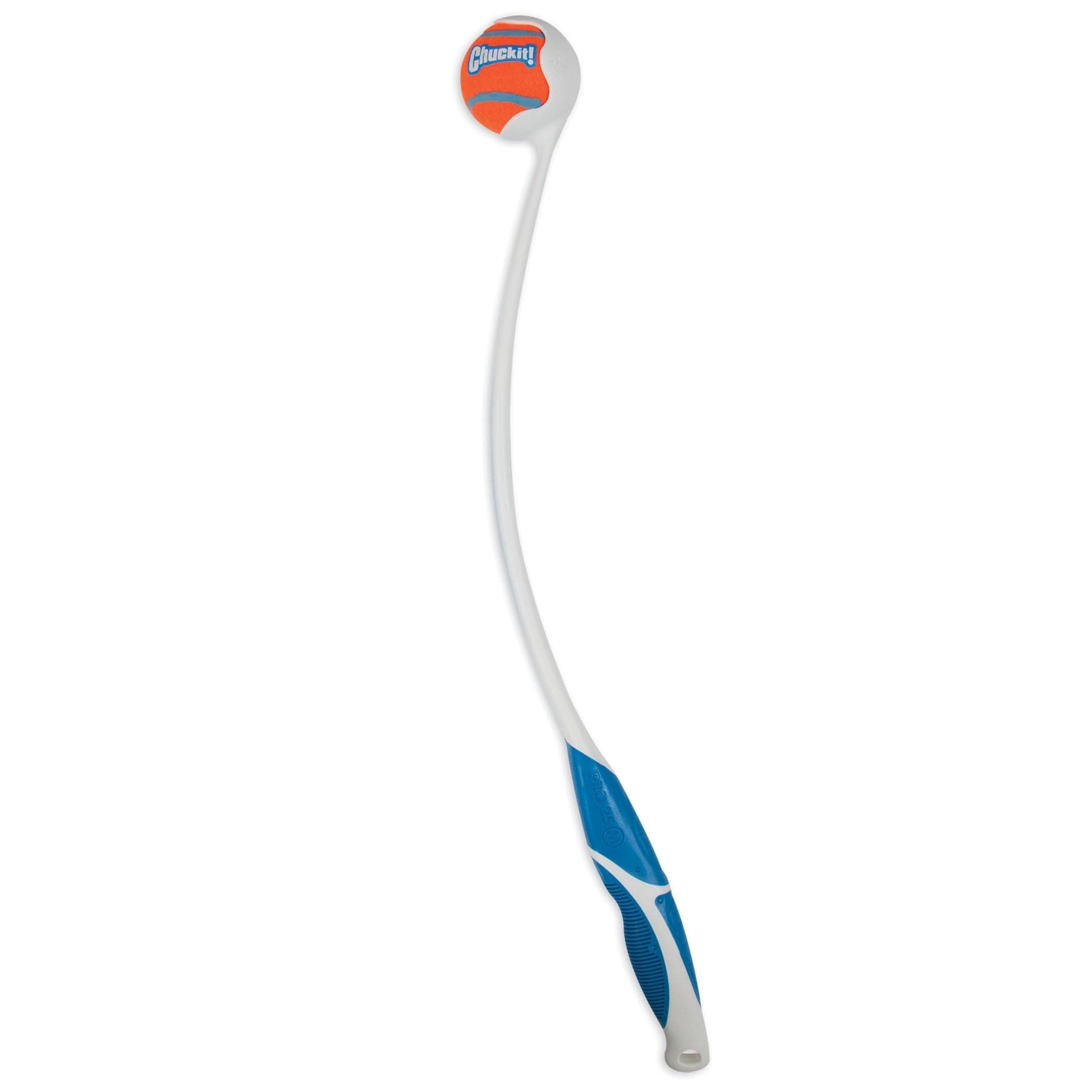
For a breed that was designed to retrieve things.
Labradors were bred to retrieve. Fetch is not just exercise, it satisfies a deep instinct. The Chuckit launcher doubles the distance you can throw without straining your arm and picks the ball up from the ground without you bending. Gets your dog running hard in half the time of a walk.
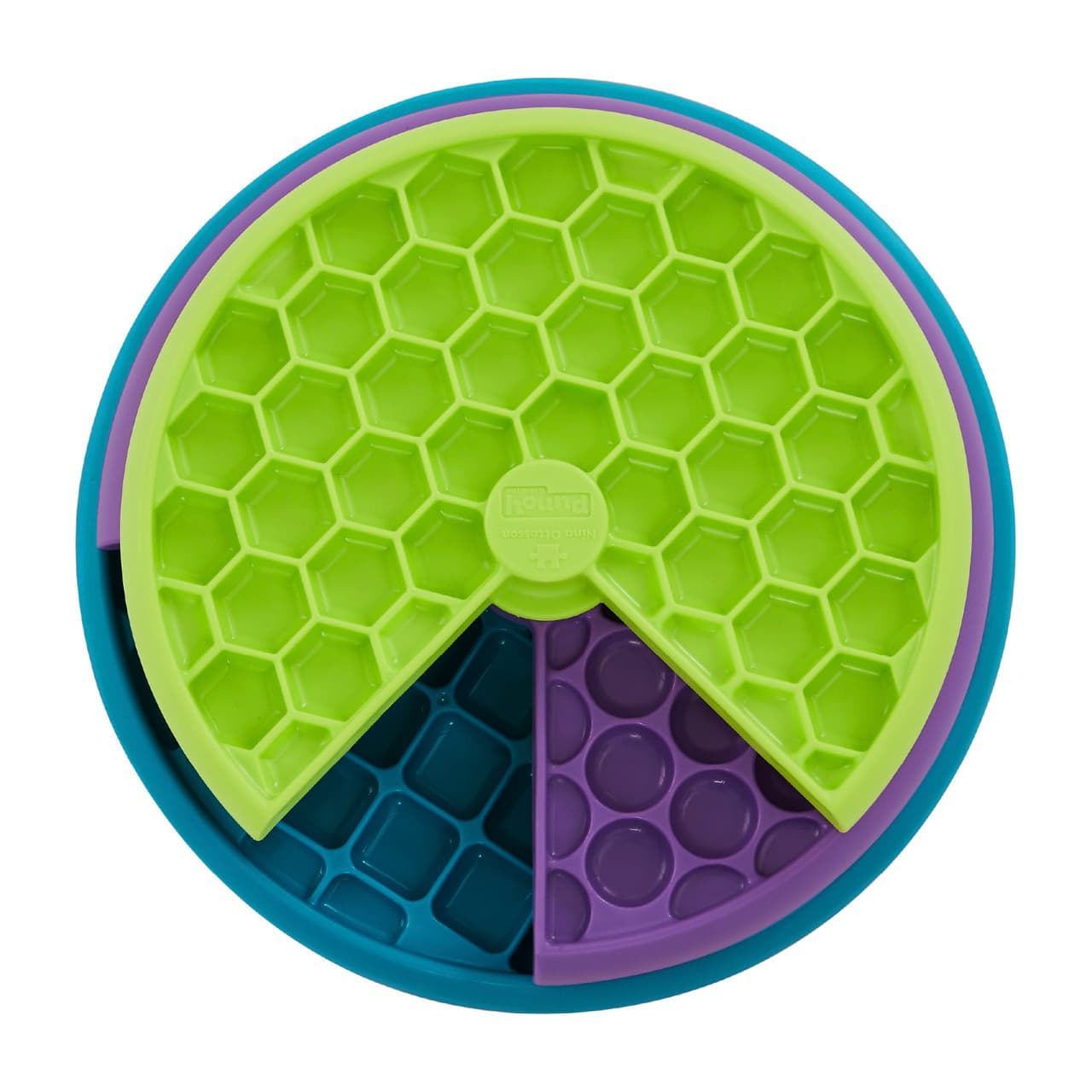
For rainy days when a walk is not enough.
Labradors are clever dogs who get bored quickly. A puzzle feeder makes them work for their kibble and burns mental energy in a way a walk does not. Start at level 2 for an adult Labrador, level 1 for a puppy. Fifteen minutes of puzzle feeding is equivalent to a short walk in terms of mental fatigue.
Training
Labradors are one of the easiest breeds to train, eager to please, food-motivated, and quick to learn. The flip side is that an untrained Labrador is a large, strong, enthusiastic problem. Start training from the first day.
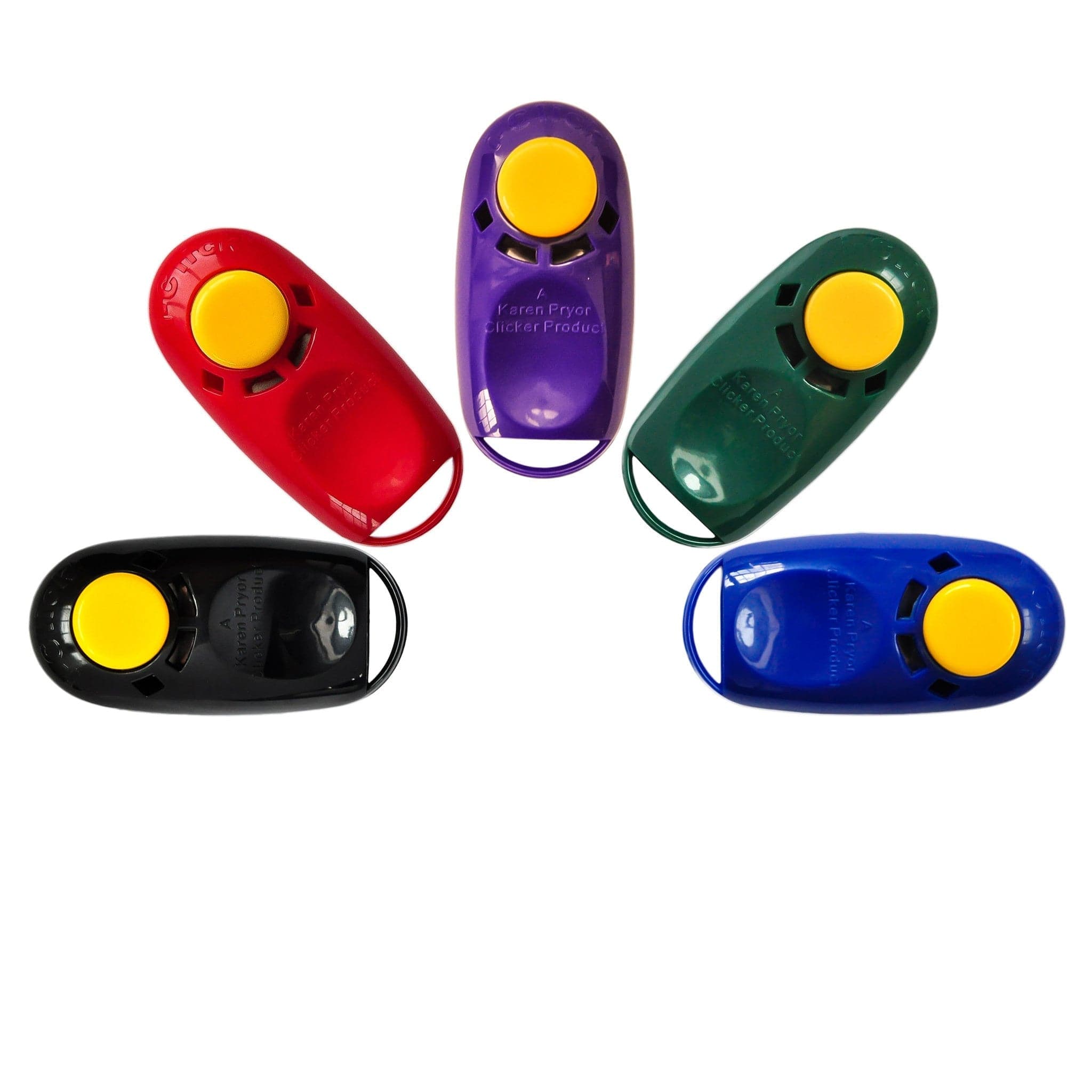
The most effective training tool for a food-motivated breed.
Clicker training marks the exact moment your dog does the right thing, then rewards it. The precision makes a significant difference in how quickly a dog learns. Karen Pryor designed the i-Click specifically for training, quieter than cheaper clickers, ergonomic button, works reliably. Pair with high-value treats and use from day one.
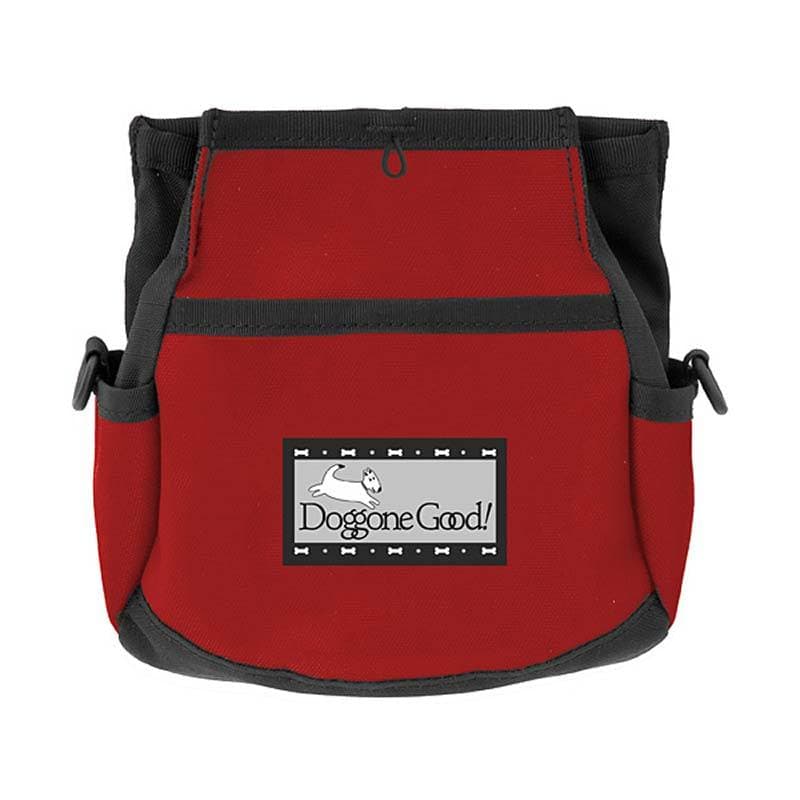
Keeps training treats accessible without rifling through your pockets.
A magnetic closure treat bag that clips to your waistband and opens instantly with one hand. For a Labrador that watches you constantly, having treats immediately accessible closes the gap between good behaviour and reward. Washable, and big enough for kibble as well as soft treats.

Small enough to use as a high-frequency reward without overfeeding.
Training a Labrador requires a lot of treats in a short time. Small, soft, low-calorie treats let you reward frequently without disrupting the daily food budget. Count them toward the daily calorie allowance, Labradors gain weight easily.
Essential for building reliable recall before your dog can be trusted off lead.
A 10-metre long line lets your Labrador run, sniff and explore while you maintain control during recall training. Do not let a Labrador off lead in an unfenced area until recall is reliable under distraction, that takes months, not weeks. The long line bridges the gap. Clips to harness not collar.
Travel and car
Labradors are large dogs and take up significant boot space. A boot liner protects your car from the inevitable muddy dog. A travel bowl keeps your dog hydrated on longer journeys and walks.

Protects your boot and back seats from a wet Labrador.
Hammock-style cover that protects both the boot and back seat with openings for seatbelts. Waterproof, scratch-resistant, machine washable. A Labrador that has been swimming or walking in rain will destroy car upholstery quickly without one. Fits most vehicles and installs in under five minutes.

Collapses flat, clips to a bag, keeps a Labrador hydrated on walks.
Labradors need water on any walk over 30 minutes, particularly in warm weather. The Henry Wag bowl collapses to almost nothing, clips to a lead or bag handle, and holds enough for a large breed. One of those things you buy for £8 and carry forever.
Frequently asked questions
What size crate does a Labrador need?
A 36-inch crate is the right size for an adult Labrador Retriever. If you are buying for a puppy, get the 36-inch crate with a divider panel so you can reduce the space initially and expand it as the puppy grows. A crate that is too large removes the den-like feeling that makes crate training effective.
Do Labradors need a slow feeder?
Yes. Labradors are prone to bloat (gastric dilatation-volvulus), a life-threatening condition where the stomach fills with gas and twists. Eating too fast is a risk factor. A slow feeder bowl is a sensible precaution for all Labs, not just fast eaters.
What harness is best for a Labrador that pulls?
The Julius-K9 IDC Powerharness in the large size is the most widely used option for strong-pulling Labs. The front attachment point helps redirect pulling. The Ruffwear Front Range is a good everyday alternative for dogs with more settled lead manners. Avoid attaching a lead to a collar alone for a Labrador that pulls -- the neck pressure is too high for a dog this size.
Should I get pet insurance for a Labrador?
Strongly recommended. Labradors are predisposed to hip dysplasia, elbow dysplasia and obesity-related conditions. Hip surgery costs £3,000-6,000 per hip without insurance. Lifetime cover policies that cover ongoing conditions are worth paying more for than cheaper annual policies that exclude conditions once claimed. Get cover before your dog arrives.
Woof & Woofer earns a small commission from some links on this page. This never influences our recommendations. Learn more.
More buying guides
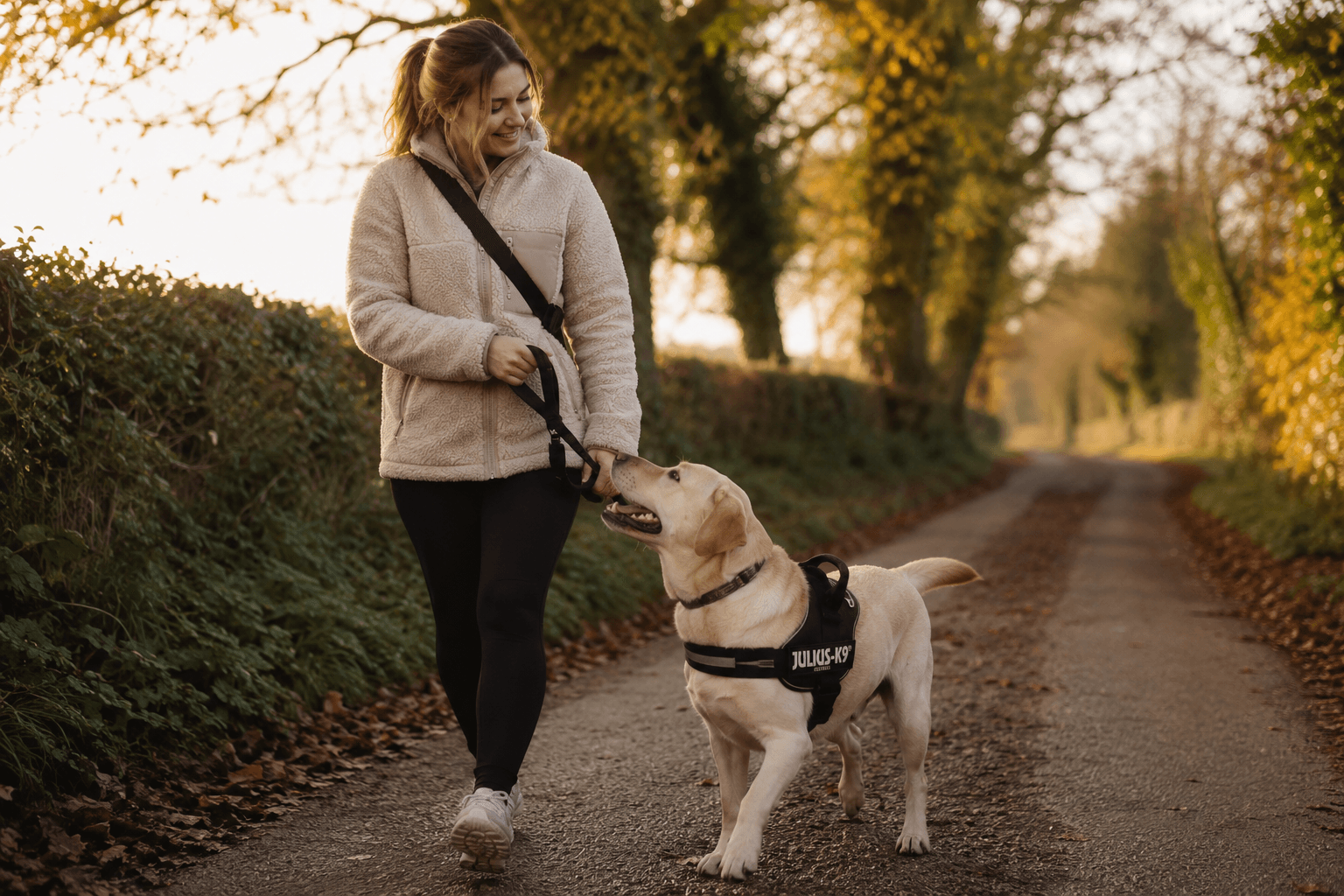
First dog essentials UK: everything you need
Getting a dog for the first time means buying before you know what you actually need. This kit covers the genuine essentials you will use from week one, plus the extras that prevent the most common first-dog mistakes. It works equally well for an adopted adult dog, a dog from a breeder, or an older puppy moving into its forever home.
Read the guide →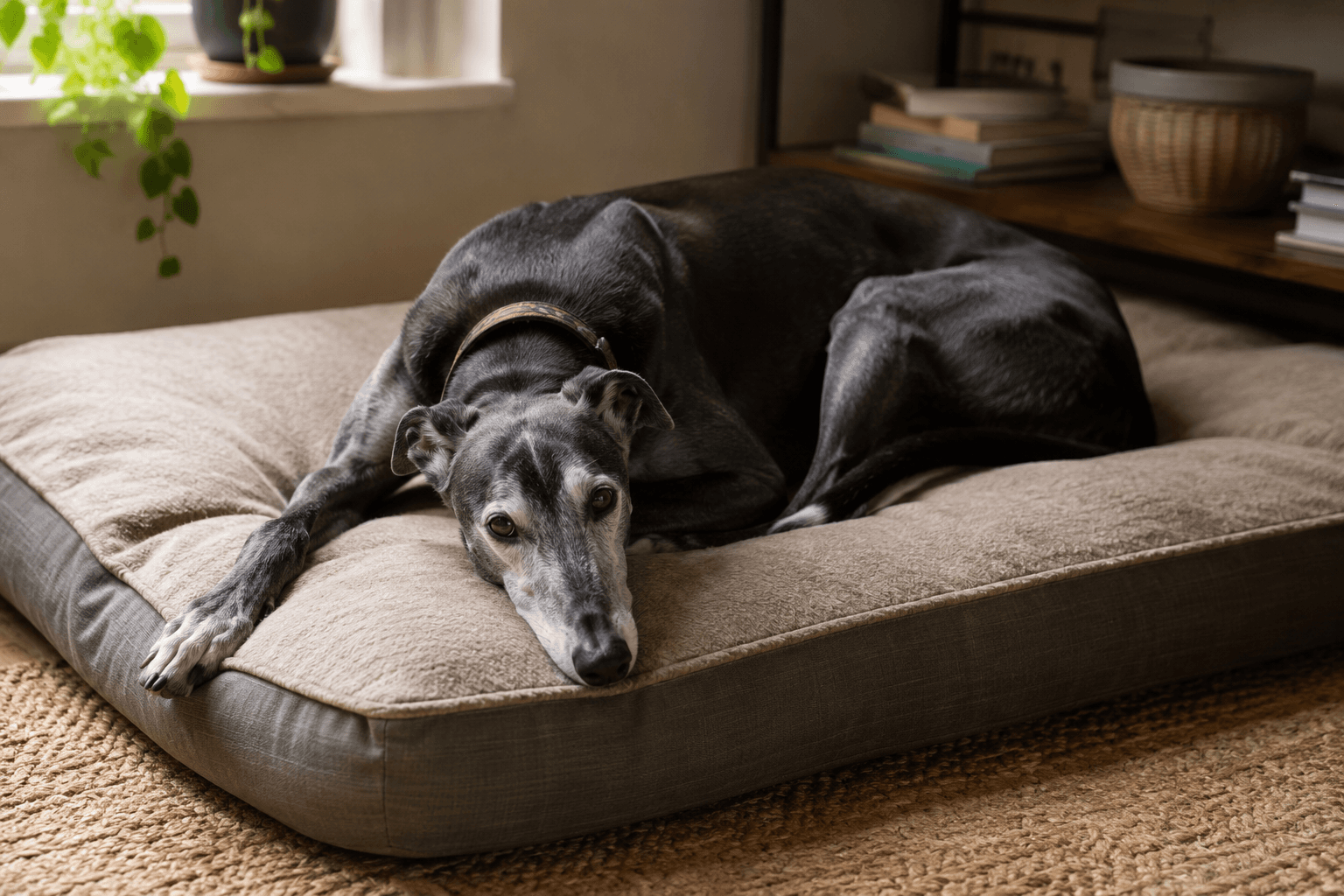
Senior dog essentials UK: what actually helps
Most senior dog products are repackaged standard products with a grey dog on the box. This kit covers what the evidence actually supports, from the only dog bed with peer-reviewed clinical data to the joint supplements UK vets recommend. Your dog cannot tell you they are in pain. These products help you manage what you cannot see.
Read the guide →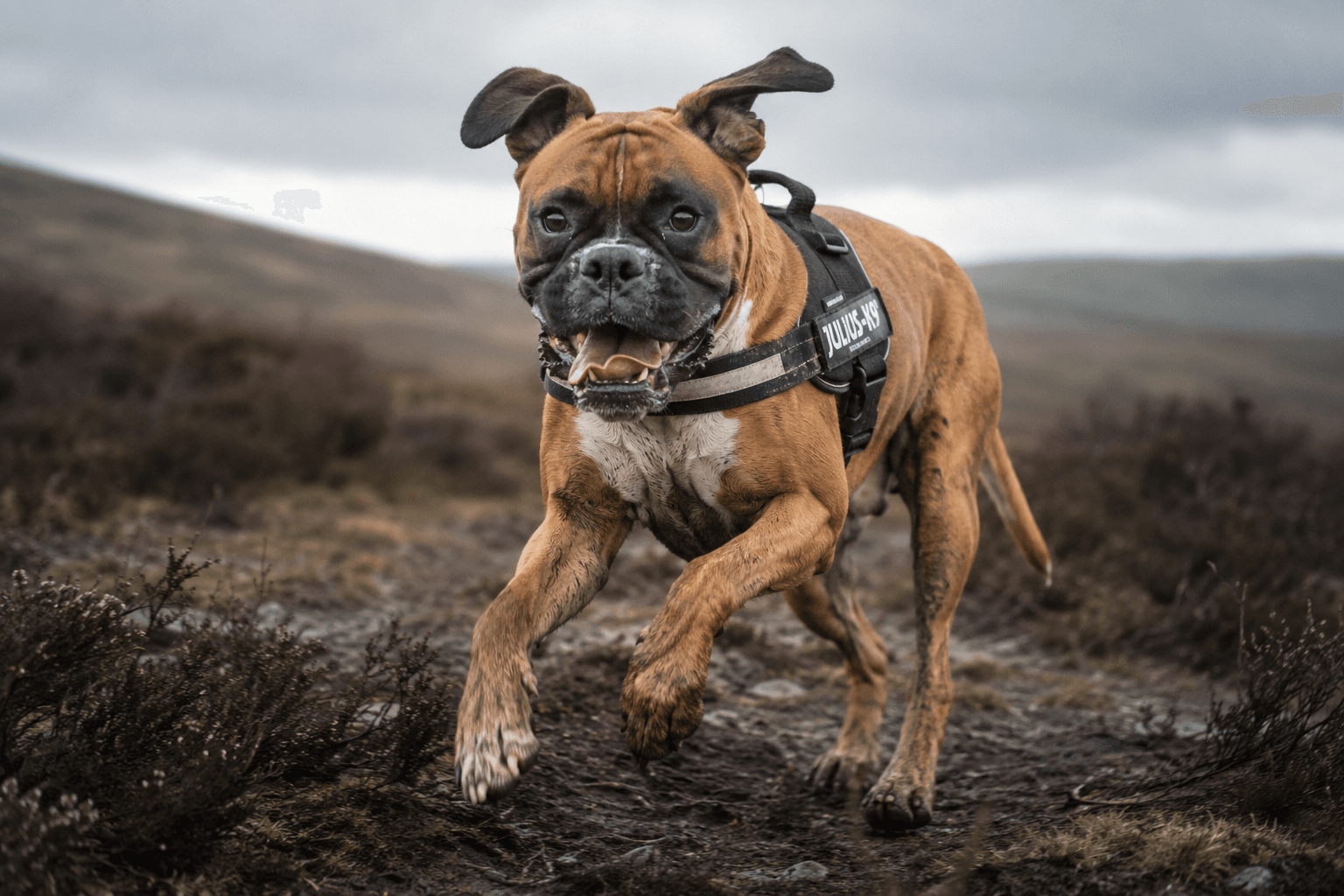
Active dog essentials UK: gear for high-energy and working dogs
Most dogs need a walk. Active dogs need equipment that keeps up with them. This kit is for high-energy breeds, working dogs, and owners who do more than a pavement circuit twice a day. Everything here is chosen for performance and durability, not for the lifestyle image on the packaging.
Read the guide →