Aussiedoodle
Complete UK breed guide
Quick answer
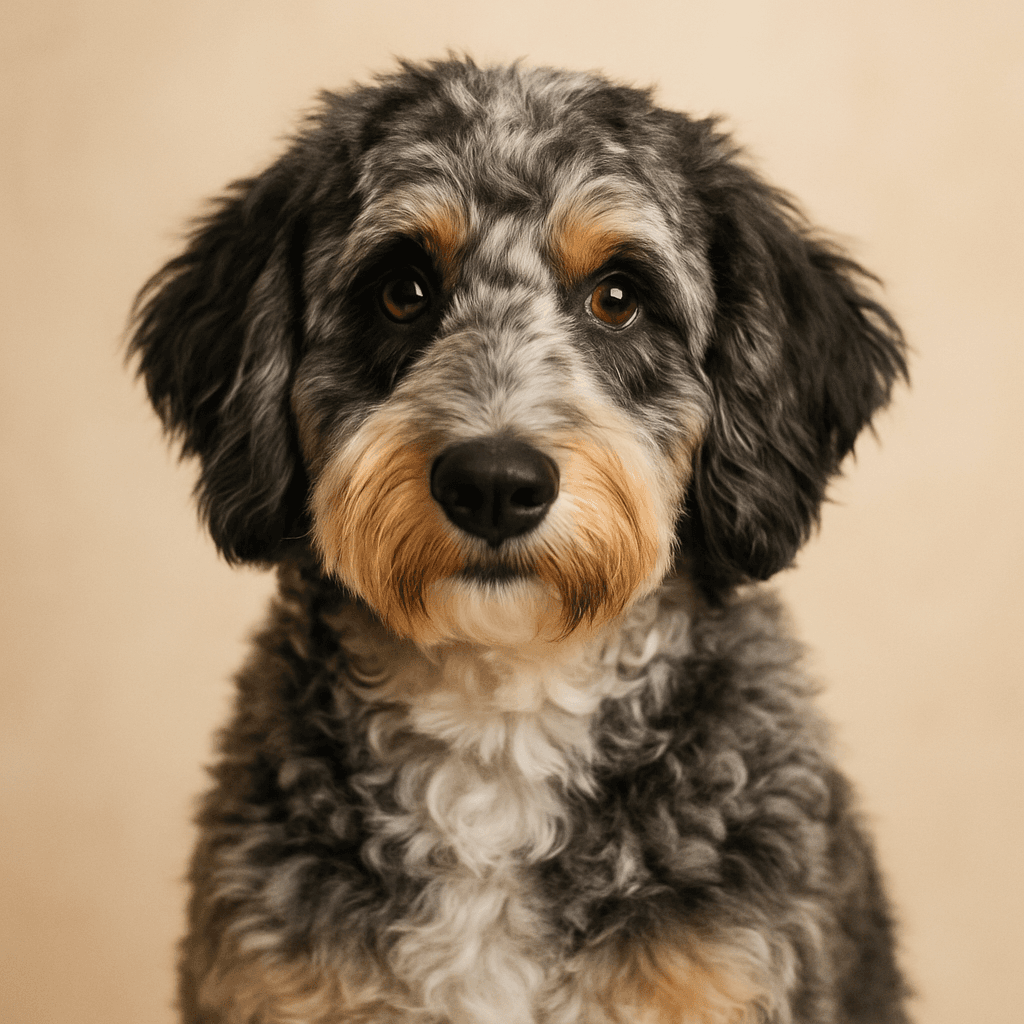
The Aussiedoodle is a cross between an Australian Shepherd and a Poodle, producing a highly intelligent, active and often low-shedding dog. They need at least 1.5 to 2 hours of daily exercise and substantial mental stimulation. Health testing of both parents is essential. Key concerns include hip dysplasia, MDR1 and PRA. Lifespan is 10 to 13 years. Prices range from £1,000 to £2,500.
Quick Facts
- Size
- Medium
- Weight
- 18–30 kg
- Lifespan
- 10–13 years
- Exercise
- 90–120 mins/day
- Activity Level
- High
- Grooming
- High
- Monthly Cost
- £120–£190/month
- Temperament
- Intelligent, High energy, Loyal
- Good with Children
- Yes
- Good with Dogs
- Yes
- Good for First Timers
- No
- Suits Flats
- No
Free care guide
Get the Complete Aussiedoodle Care Guide
Feeding, health, grooming, training and costs for your Aussiedoodle. Free, straight to your inbox.

Getting set up
Getting a Aussiedoodle? Here's what you'll need.
Our editors have picked the essentials for Aussiedoodle owners.
See the Active Dog Kit →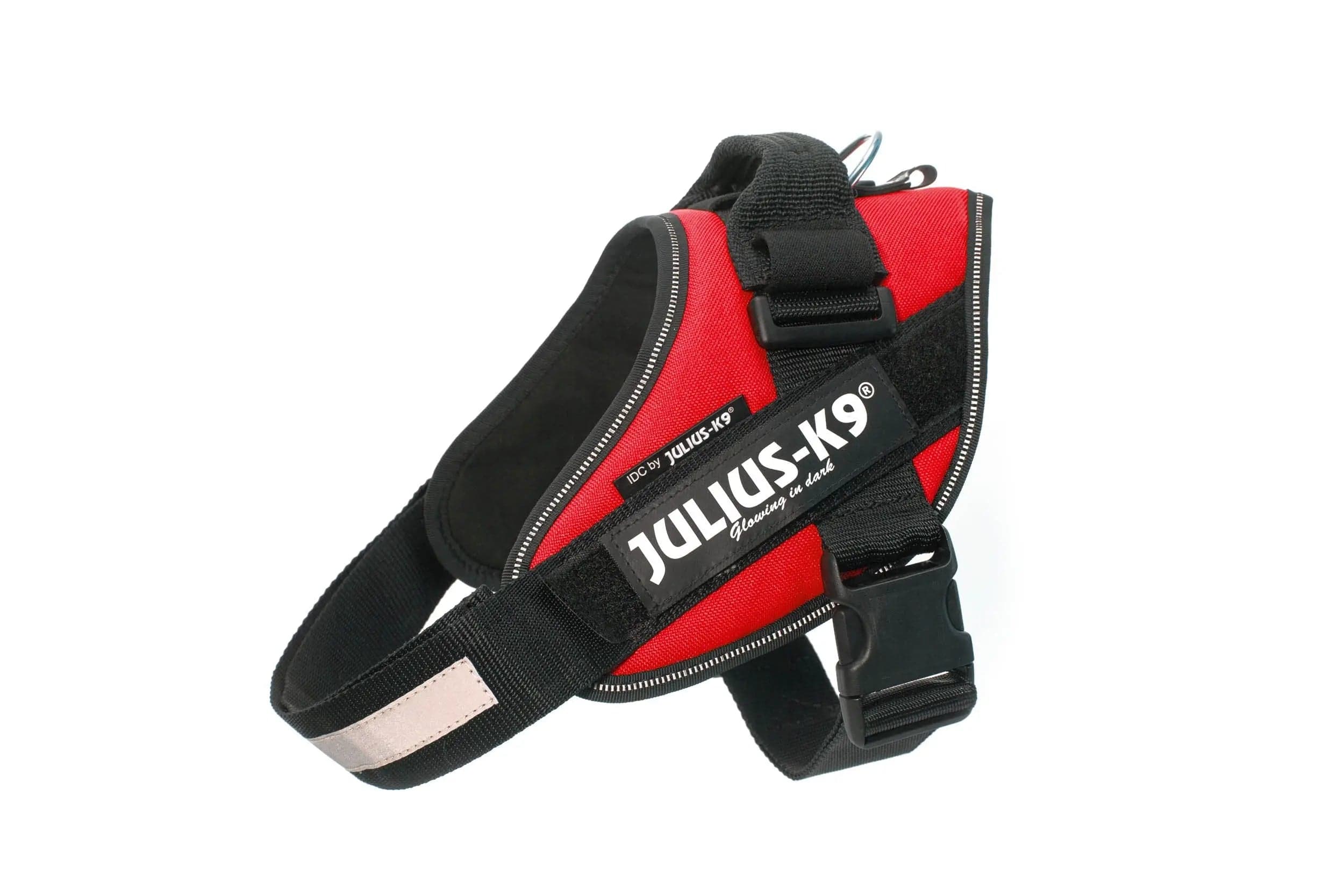
Recommended for Adult Dogs for Aussiedoodles
Products selected for Aussiedoodle size, coat type, and life stage. Affiliate disclosure.
Tuffies
Shop NowKurgo
Shop NowPedigree
VOHC-accepted. Most affordable evidence-backed daily chew. Widely available. X-shape targets gumline.
Buy on AmazonHurtta
Hurtta Mudventure ECO Raincoat (Medium)
Reflective, eco-friendly raincoat built for UK weather. Medium size.
Shop HurttaLily's Kitchen
Shop NowRoyal Canin
Royal Canin Breed-Specific Food
Nutrition precision-tailored to your breed.
Shop Royal CaninBarking Heads
Shop NowAATU Dog and Cat Food
Shop NowHarringtons
The UK's bestselling dry dog food. No artificial colours, flavours or preservatives. Made with natural ingredients including chicken, brown rice and vegetables. Available in multiple sizes.
Shop NowChris Christensen
Shop NowAndis
Shop NowAnimology
The UK groomer standard for removing fox poo and foul odours. Deep cleaning with built-in conditioner and Pro-Vitamin B5. Suitable for all coats from 6 weeks old.
Shop NowBoshel
Shop NowDrontal
Shop NowRosewood
Shop NowPets Calm Down
Shop NowJulius-K9
Julius-K9 IDC Powerharness (Medium)
Award-winning harness trusted by dog owners worldwide. Medium size (14-25kg).
Shop Julius-K9PitPat
Shop NowFurbo
Shop NowChuckit
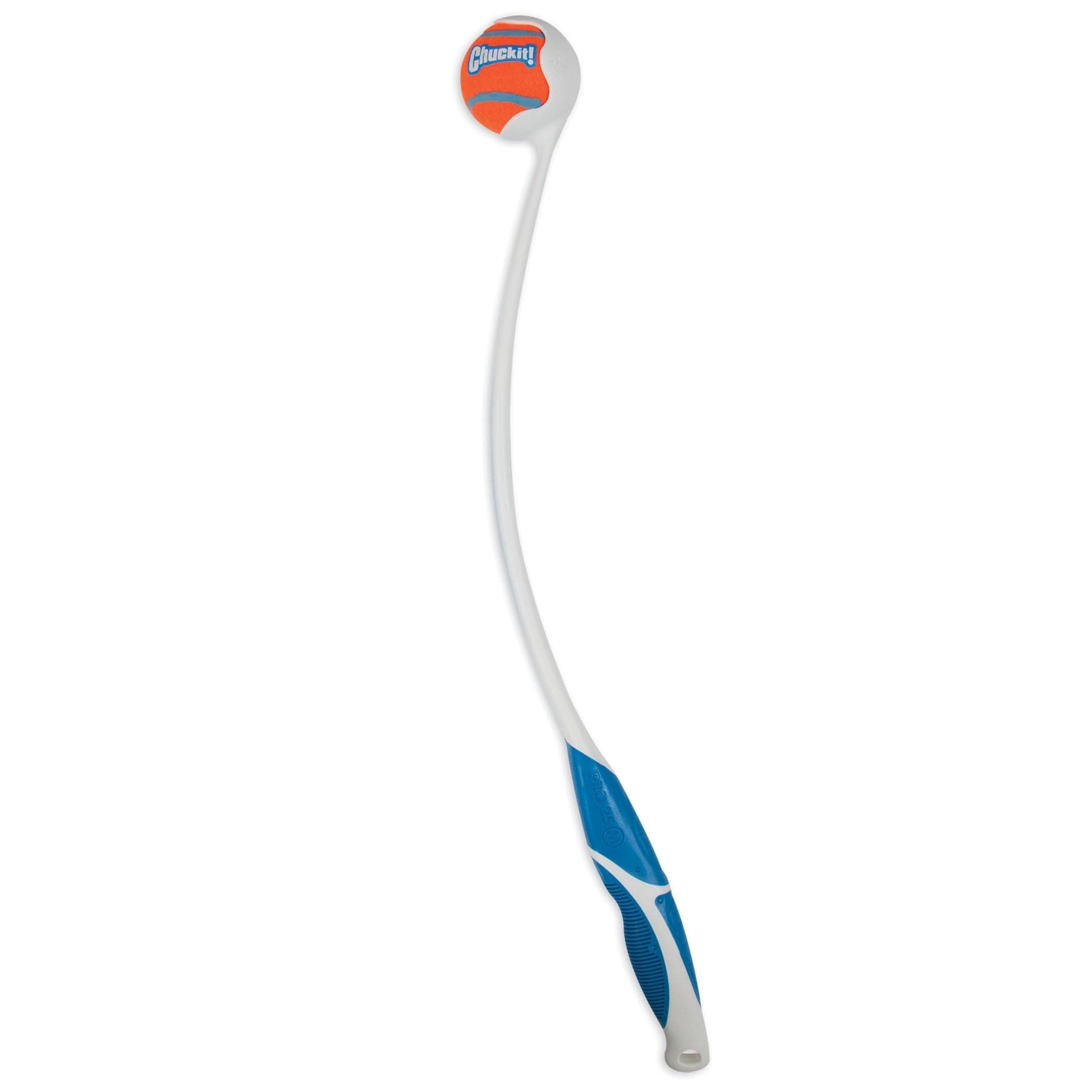
Chuckit! Ball Launcher (Medium)
Launch further, throw less. Sport 25 launcher for medium dogs.
Shop Chuckit!LickiMat
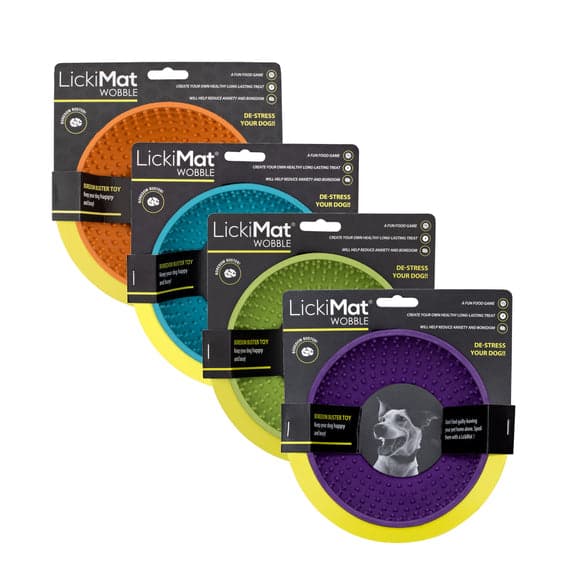
LickiMat Wobble
Slows feeding, reduces anxiety, keeps dogs calm and engaged.
Try LickiMatKONG
KONG Classic (Medium)
The classic rubber chew for medium breeds.
Shop KONGNina Ottosson
Nina Ottosson Dog Puzzle
Level 2 puzzle feeder. Engages your dog mentally and slows eating.
Try Nina OttossonTrixie
Shop NowDoggone Good
Shop NowFURminator
FURminator Deshedding Tool (Medium, Long & Double Coat)
Reduces shedding by up to 90% for medium long-coated dogs.
Shop FURminatorBreed Overview
The Aussiedoodle is a cross between an Australian Shepherd and a Poodle, producing a highly intelligent, active and typically low-to-moderate-shedding dog that has grown significantly in popularity in the UK. It is not recognised by the Kennel Club and cannot be KC-registered. Like all Poodle crosses, it is often marketed with emphasis on the low-shedding coat, but the most important characteristics of this cross are the very high intelligence and exercise demands inherited from both parent breeds.
Both parent breeds are working dogs of considerable ability. The Australian Shepherd is a herding breed bred for sustained activity, quick problem-solving and intense responsiveness to human direction. The Poodle, despite its often-mischaracterised image, was developed as a working retriever and retains exceptional intelligence, trainability and energy. When these two breeds cross, the result is a dog that is bright, active, eager and demanding. This is the central truth of Aussiedoodle ownership that prospective buyers should internalise before acquiring one.
The exercise requirement is substantial: a minimum of 1.5 to 2 hours per day of vigorous activity, supplemented with significant mental stimulation through training, puzzle feeding, agility or scent work. Physical exercise alone is not sufficient for a dog of this intelligence. A well-exercised but mentally under-stimulated Aussiedoodle will channel its considerable brainpower into behaviour that owners typically do not welcome. This is not a fault: it is a predictable outcome of failing to meet the dog's needs.
Coat type varies considerably and is not predictable at purchase. The spectrum runs from wavy to tightly curled, with shedding levels that reflect which parent's coat genetics dominate. The consistently low-shedding coat is not guaranteed. Whatever the coat type, professional grooming every 6 to 8 weeks and regular home brushing are required.
The most important health consideration specific to this cross is the MDR1 gene mutation inherited from the Australian Shepherd parent. Affected dogs have dangerous sensitivity to certain medications that are routinely used in veterinary practice. DNA testing before any medication is administered is essential, and the dog's MDR1 status should be communicated to every vet the dog sees throughout its life. Breeders should have both parents tested. Hip dysplasia, Progressive Retinal Atrophy and epilepsy are additional concerns from both parent lines.
Health testing of both parents is the critical differentiator between responsible breeders and those producing puppies for demand. Ask for hip scores on both parents, PRA DNA test results for the Poodle parent, MDR1 test results for the Australian Shepherd parent and current eye certificates. Breeders who cannot provide this should be avoided regardless of price.
Purchase prices range from £1,000 to £2,500. Monthly running costs of £130 to £230 reflect a moderately expensive cross to maintain. Lifespan is 10 to 13 years.
For active families who genuinely engage with their dog's intelligence, commit to the exercise and mental stimulation requirements and verify health testing before buying, the Aussiedoodle is a warm, capable and rewarding companion. For those attracted primarily by the coat or the aesthetic, it is frequently too much dog.
Temperament & Personality
Aussiedoodles are typically affectionate, playful and highly engaged companions. They combine the Poodle's sociability and intelligence with the Australian Shepherd's energy and loyalty, producing a dog that is enthusiastic, attentive and deeply people-oriented.
They form close bonds with their family and are generally excellent with children and other dogs. Their default is enthusiasm and engagement rather than caution.
The intelligence is a genuine characteristic that requires active management. A bored Aussiedoodle with unmet mental stimulation needs will create its own entertainment, which is rarely convenient for owners.
Some individuals inherit the Australian Shepherd's herding instinct strongly, which can manifest as circling, chasing or nudging. This is a natural behaviour that needs redirecting.
Separation anxiety can be an issue given both parent breeds' strong attachment to people. Building independence from puppyhood is an important early investment.
Training
Aussiedoodles are highly intelligent and typically very trainable, combining the Poodle's eagerness to please with the Australian Shepherd's working intelligence.
Positive reinforcement: Responds very well to food and toy rewards. Quick learners that enjoy the process of training.
Mental stimulation through training: Training sessions are not just obedience exercises but important mental engagement. Vary activities to keep the dog stimulated.
Herding instinct management: The Australian Shepherd parent contributes herding instinct that may surface. Redirect this through appropriate channels such as agility or herding trials rather than allowing it to express as chasing family members.
MDR1 awareness: See health section. Any Aussiedoodle with Australian Shepherd heritage should be tested for the MDR1 gene mutation before treatment with certain medications.
Early socialisation: Important for producing confident, well-adjusted dogs.
Exercise Needs
Aussiedoodles are high-energy dogs that need substantial daily exercise and significant mental stimulation.
Daily exercise: 1.5 to 2 hours per day minimum, split across sessions.
Mental stimulation: This is as important as physical exercise. Both parent breeds are highly intelligent working dogs. Without adequate mental engagement, the Aussiedoodle will find destructive outlets. Trick training, agility, scent work and puzzle feeders are all important.
Off-lead: Generally good recall when well trained. The Australian Shepherd herding instinct may manifest as circling or chasing. Train recall from day one.
Herding behaviour: Some Aussiedoodles will herd children, other animals or even adults. This is a normal expression of Australian Shepherd instinct and should be redirected through training.
Health & Vet Costs
As a crossbreed, Aussiedoodles can inherit health conditions from either parent breed. Health testing of both parents is essential.
Hip Dysplasia: Both Australian Shepherds and Poodles are susceptible. KC/BVA Hip Scoring of both parents should be standard. Ask breeders for scores.
MDR1 (Multi-Drug Resistance 1) Gene Mutation: Australian Shepherds carry this mutation at significant rates. Affected dogs have severe sensitivity to certain medications including ivermectin, some anaesthetics and several common veterinary drugs. DNA testing identifies affected and carrier dogs. Any Aussiedoodle with Australian Shepherd heritage should be MDR1 tested before any medication is administered. Communicate the dog's MDR1 status to every vet.
Progressive Retinal Atrophy (PRA): The Poodle parent should be DNA tested for prcd-PRA. Ask breeders to confirm test status.
Epilepsy: Occurs in Australian Shepherd lines. Ask breeders about family history.
Eye conditions: Cataracts and Collie Eye Anomaly can be inherited from the Australian Shepherd parent. Ask for current eye certificates.
Monthly insurance typically costs £30 to £65. Lifespan is 10 to 13 years.
Feeding & Nutrition
Aussiedoodles are active, medium-sized dogs with good energy requirements.
Daily food cost: £2 to £3.50 per day.
Monthly food cost: Approximately £40 to £70 per month.
Feeding routine: Two meals per day for adults.
Weight management: Maintain a lean body condition. Both parent breeds are athletic and weight gain is not typical if exercise needs are met, but portion control is still important.
Health testing note: Pancreatitis is not a specific breed risk as it is in Schnauzers, but a balanced, quality diet with appropriate fat content is good practice.
Feeding your Aussiedoodle
How much to feed, which food types suit this breed, and what to avoid.
Grooming & Care
Coat type in Aussiedoodles varies considerably depending on which parent's genetics dominate, ranging from wavy to tightly curled.
Brushing: Three to five times per week regardless of coat type to prevent matting. Curlier coats require more frequent attention.
Professional grooming: Every 6 to 8 weeks for bathing, blow-drying and trimming. The frequency and cost depend on coat type.
Monthly professional grooming cost: £50 to £80.
Shedding: Low to moderate depending on coat type. The Poodle-dominant coat sheds less; the Australian Shepherd-dominant coat sheds more.
Coat unpredictability: Because this is a crossbreed, coat type cannot be guaranteed. Buyers should be prepared for any outcome within the range.
Costs of Ownership
Purchase price: £1,000 to £2,500 from a health-testing breeder. Prices vary significantly with demand.
Monthly food: £40 to £70.
Pet insurance: £30 to £65 per month for lifetime comprehensive cover.
Professional grooming: £50 to £80 every 6 to 8 weeks.
Veterinary costs: Routine annual care. Budget for potential hip assessment.
Total estimated monthly running cost: £130 to £230 per month for an adult Aussiedoodle in good health.
Estimated cost breakdown
Estimates based on UK average costs. Actual costs vary by location, vet, and lifestyle.
Owner note
Is your Aussiedoodle insured?
Aussiedoodle insurance typically costs £20–£55 per month depending on age, cover level and where you live. Getting the right policy before your first vet visit is one of the most important decisions you will make as a new owner.
Compare dog insuranceWe may earn a commission if you buy through our links. This never influences our recommendations.
Where to Find a Aussiedoodle in the UK
Whether you are looking for a Aussiedoodle puppy from a responsible breeder or hoping to give a rescue Aussiedoodle a second chance, there are reliable routes to finding the right dog. The most important thing is that you find them through the right channel — one that puts the dog's welfare first.
Finding a Aussiedoodle Puppy
The Kennel Club's Find a Puppy service is the safest starting point for anyone looking for a Aussiedoodle puppy. It connects buyers with breeders who register their litters and allows you to verify parental health test results.
The Aussiedoodle breed club maintains a breeder register and can be contacted via the Kennel Club website for recommendations.
Before you commit, read our complete guide to finding a puppy responsibly — including the red flags that separate an ethical breeder from a puppy farm.
Read the Puppy Buying GuideRescuing a Aussiedoodle
Aussiedoodle-specific rescue organisations are run by people who know the breed inside out. They assess every dog carefully and match them to homes that genuinely suit their needs. Waiting lists exist but are worth it.
General rescues including Dogs Trust, RSPCA and Battersea also occasionally have Aussiedoodles available. Contact them directly to register your interest.
Our rescue guide covers the full adoption process in detail.
Find a Rescue DogIs a Aussiedoodle Right for You?
Best suited to: Active families, owners who want an intelligent, engaged companion, those who can commit to exercise, mental stimulation and regular grooming.
Not suited to: Sedentary households, owners who cannot meet significant mental stimulation needs, those wanting predictable coat type or shedding.
Children: Generally excellent with children. Both parent breeds are good-natured and the cross typically reflects this.
Other dogs: Usually sociable and good with other dogs.
Cats and small animals: The Australian Shepherd's herding instinct can manifest as chasing. Caution and careful introductions are advised.
Flat or house: Can adapt to flat living if exercise needs are fully met, but a house with garden is preferable.
First-time owners: Can suit confident first-time owners who commit fully to the exercise and training needs. The breed's intelligence requires genuine engagement.
Frequently Asked Questions
Yes, Aussiedoodles make excellent family dogs and are good with children when properly socialised. They are affectionate, loyal and enjoy being part of family activities, though their high energy means they need active families who can meet their exercise needs.
Aussiedoodles require 75-90 minutes of exercise daily to stay happy and well-behaved. This should include a mix of physical activity and mental stimulation, such as training, play and interactive games, as they are highly intelligent dogs.
Aussiedoodles are low-shedding dogs, which is one of the main benefits of the cross-breed. However, they do require regular grooming to maintain their curly coat and prevent matting, typically needing professional grooming every 6-8 weeks.
Aussiedoodles are highly intelligent and eager to please, making them relatively easy to train for experienced owners. They respond well to positive reinforcement and enjoy learning, but their high energy and intelligence mean they need consistent, engaging training and mental stimulation.
Aussiedoodles typically live between 10-13 years. Their lifespan can be influenced by genetics, diet, exercise levels and overall healthcare throughout their life.
The estimated monthly cost for an Aussiedoodle is between £120-£190, covering food, grooming, routine veterinary care and other essentials. Professional grooming costs are a significant factor due to their high-maintenance curly coat.
Aussiedoodles are not recommended for first-time owners due to their high exercise requirements, intelligence and need for consistent training and mental stimulation. They thrive with experienced owners who can provide structured training and an active lifestyle.
Related Breeds
Australian Shepherd
The Australian Shepherd is a highly intelligent American herding breed needing 2 or more hours of exercise and extensive...
View breed guide →Labradoodle
The Labradoodle is a Labrador and Poodle cross and one of the UK's most popular dogs, though not KC-recognised. No Labra...
View breed guide →Poodle (Standard)
Standard Poodles are athletic, highly intelligent dogs and one of the longest-lived large breeds, with a typical lifespa...
View breed guide →Related Guides
Find local services for your Aussiedoodle
Search verified UK listings for vets, groomers, trainers and walkers near you.
Upcoming events for Aussiedoodle owners
Championship Show
Darlington Dog Show Society Championship Show 2026
18 to 20 September 2026 · Ripon, North Yorkshire
Companion Show
Paws in the Park — Kent 2026
19 to 20 September 2026 · Maidstone, Kent
Championship Show
Belfast Dog Show Society Championship Show 2026
26 to 27 September 2026 · Lisburn, County Antrim
Festival
DogFest at the Palace 2026
3 to 4 October 2026 · Woodstock, Oxfordshire
Championship Show
South Wales Kennel Association Championship Show 2026
8 to 11 October 2026 · Builth Wells, Powys