Poodle (Standard)
Complete UK breed guide

Quick answer
Standard Poodles are athletic, highly intelligent dogs and one of the longest-lived large breeds, with a typical lifespan of 12 to 15 years. Key health concerns include Addison's disease, hip dysplasia and bloat. Insurance costs £40 to £80 per month. Professional grooming every six to eight weeks is essential.
Quick Facts
- Size
- Large
- Weight
- 20–30 kg
- Lifespan
- 12–15 years
- Breed Group
- Utility
- Exercise
- 60–90 mins/day
- Activity Level
- High
- Grooming
- High
- Monthly Cost
- £130–£200/month
- Temperament
- Intelligent, Eager to please, Loyal
- Good with Children
- Yes
- Good with Dogs
- Yes
- Good for First Timers
- Yes
- Suits Flats
- No
Free care guide
Get the Complete Poodle (Standard) Care Guide
Feeding, health, grooming, training and costs for your Poodle (Standard). Free, straight to your inbox.
Getting set up
Getting a Poodle (Standard)? Here's what you'll need.
Our editors have picked the essentials for Poodle (Standard) owners.
See the Active Dog Kit →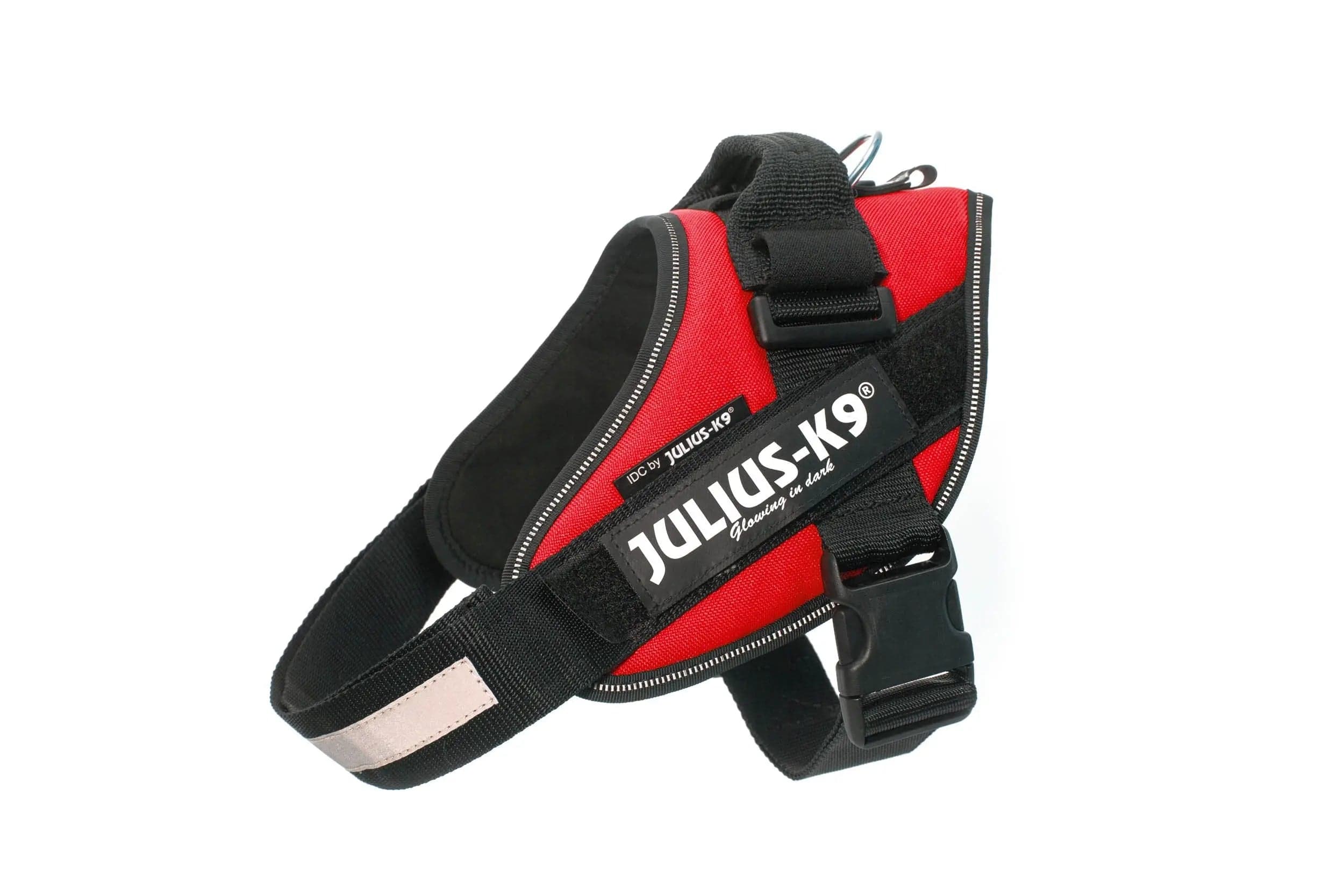
Recommended for Adult Dogs for Poodle (Standard)s
Products selected for Poodle (Standard) size, coat type, and life stage. Affiliate disclosure.
PetFusion
PetFusion Ultimate Dog Bed (Large)
Memory foam orthopedic bed with waterproof cover. Ideal for large breeds.
Shop PetFusionTuffies
Shop NowKurgo
Shop NowProDen PlaqueOff
VOHC-accepted. Seaweed-based dental bone with multiple flavours. From the makers of PlaqueOff Powder.
Buy on AmazonHurtta
Hurtta Mudventure ECO Raincoat (Large)
Reflective, eco-friendly raincoat built for UK weather. Large size.
Shop HurttaLily's Kitchen
Shop NowAATU Dog and Cat Food
Shop NowBarking Heads
Shop NowRoyal Canin
Royal Canin Breed-Specific Food
Nutrition precision-tailored to your breed.
Shop Royal CaninHarringtons
The UK's bestselling dry dog food. No artificial colours, flavours or preservatives. Made with natural ingredients including chicken, brown rice and vegetables. Available in multiple sizes.
Shop NowAndis
Shop NowAnimology
The UK groomer standard for removing fox poo and foul odours. Deep cleaning with built-in conditioner and Pro-Vitamin B5. Suitable for all coats from 6 weeks old.
Shop NowBoshel
Shop NowChris Christensen
Shop NowDrontal
Shop NowPets Calm Down
Shop NowRosewood
Shop NowJulius-K9
Julius-K9 IDC Powerharness (Large)
Award-winning harness trusted by dog owners worldwide. Large size (23-30kg).
Shop Julius-K9PitPat
Shop NowFurbo
Shop NowNina Ottosson
Nina Ottosson Dog Puzzle
Level 2 puzzle feeder. Engages your dog mentally and slows eating.
Try Nina OttossonLickiMat
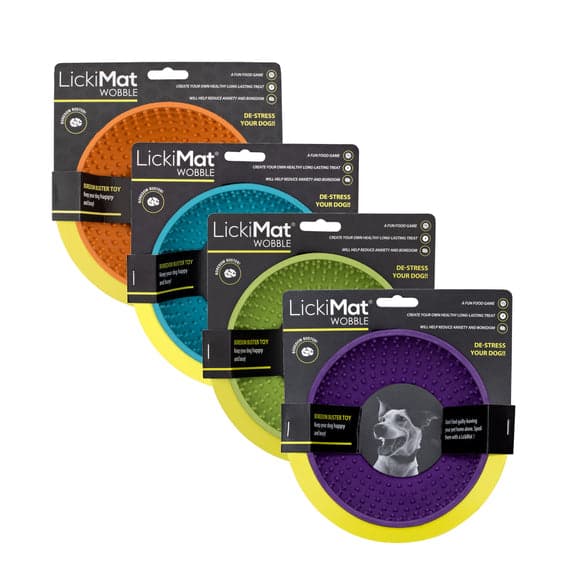
LickiMat Wobble
Slows feeding, reduces anxiety, keeps dogs calm and engaged.
Try LickiMatKONG
KONG Classic (Large)
The classic rubber chew for large and giant breeds.
Shop KONGChuckit
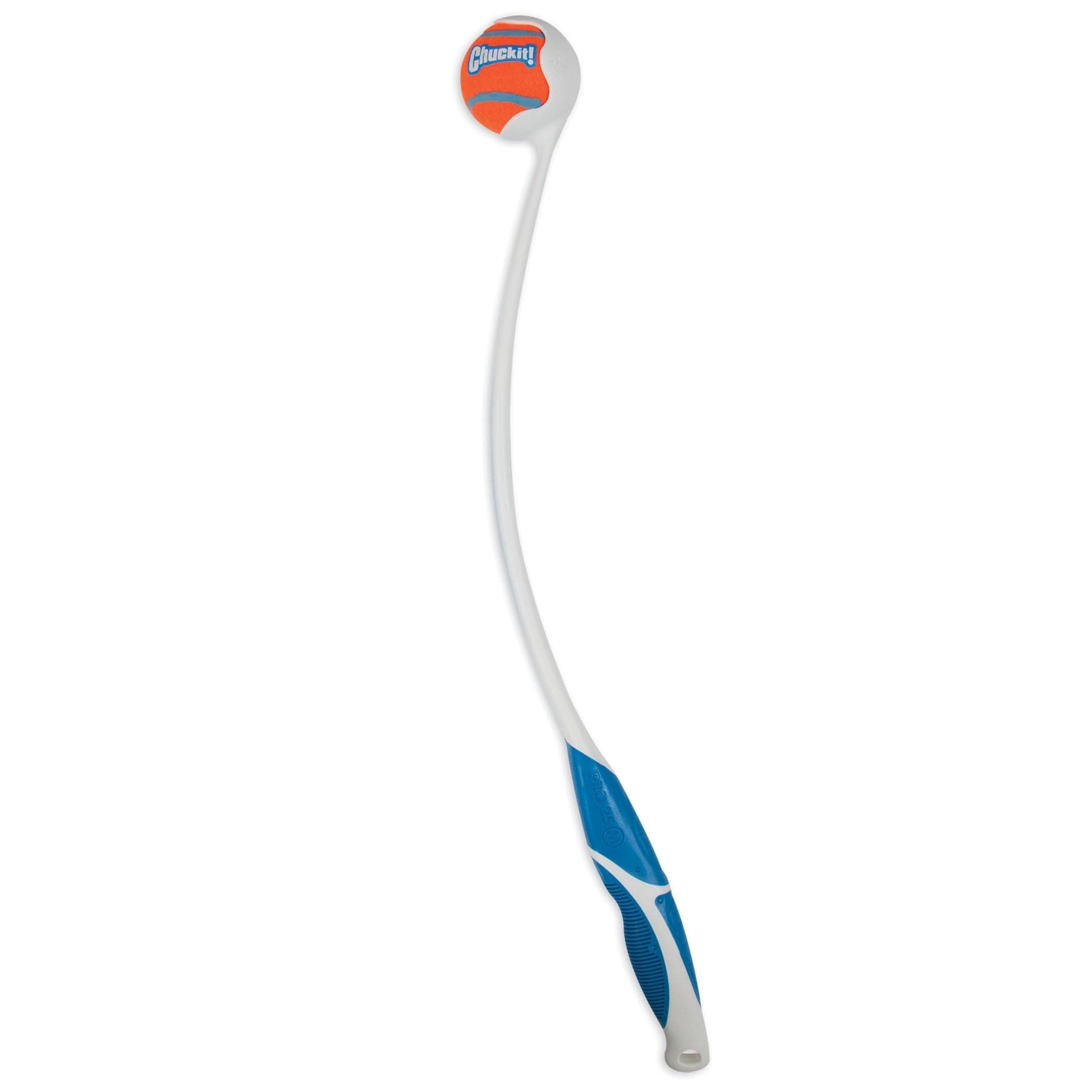
Chuckit! Ball Launcher (Large)
Launch further, throw less. Sport 26L launcher for large dogs.
Shop Chuckit!Trixie
Shop NowDoggone Good
Shop NowFURminator
FURminator Deshedding Tool (Large, Long & Double Coat)
Reduces shedding by up to 90% for large long-coated dogs.
Shop FURminatorBreed Overview
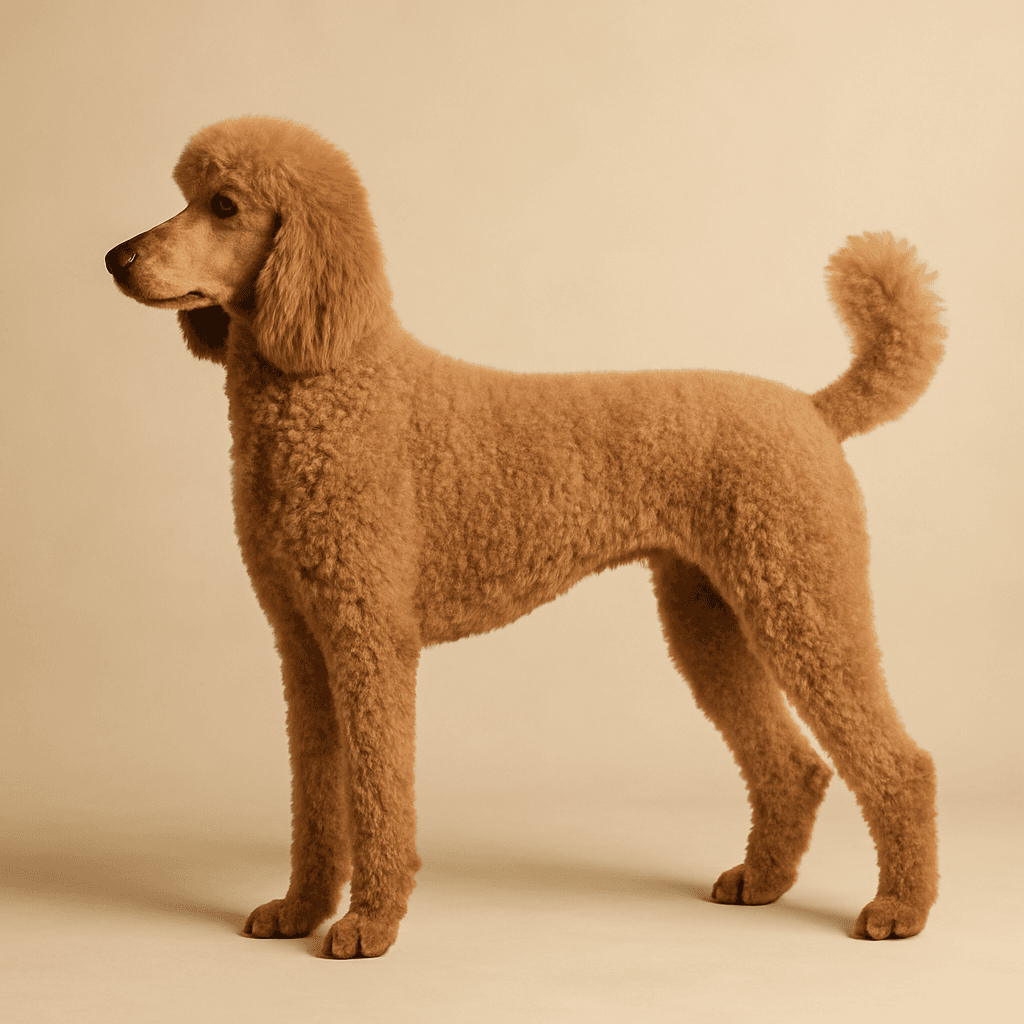
The Standard Poodle is one of the most intelligent, versatile and elegant breeds in the world, registered by the Kennel Club in the Utility Group. Despite its association with elaborate show clips and ornamental presentation, the Standard Poodle is fundamentally a working retriever developed in Germany for waterfowl hunting. Its athletic build, intelligence and trainability reflect a breed designed for demanding field work, not purely ornamental purposes.
Standard Poodles are large dogs: typically 20 to 32kg, standing over 38cm at the shoulder. They are active, curious and highly mentally engaged. An under-stimulated Standard Poodle will express its boredom in creative and often destructive ways. The breed demands daily exercise, consistent mental engagement and ongoing training to be the relaxed, companionable dog it is capable of being.
Intelligence is the Standard Poodle's most notable characteristic. They learn rapidly, remember what they have learned, and can become bored by repetitive training. They thrive with varied, positive reinforcement-based training and excel in obedience, agility, tracking and most other dog sports. Their responsiveness to training also means they are one of the most successfully trained assistance dog breeds.
Health-wise, Standard Poodles are one of the longer-lived large breeds, with a typical lifespan of 12 to 15 years. This longevity does not come without conditions to be aware of. Addison's disease (hypoadrenocorticism), a condition in which the adrenal glands fail to produce sufficient cortisol and aldosterone, occurs at significantly higher rates in Standard Poodles than in most other breeds. It can present as episodic weakness, vomiting, lethargy and in severe cases an Addisonian crisis, which is a life-threatening emergency. Once diagnosed it is manageable with daily medication, but diagnosis can take time because the symptoms are non-specific.
Gastric dilatation-volvulus (bloat) is a significant risk in deep-chested breeds. This is a life-threatening emergency in which the stomach fills with gas and rotates, cutting off blood supply. Signs include unproductive retching, distended abdomen and rapid deterioration. Any suspected bloat is an immediate veterinary emergency.
Hip dysplasia and Progressive Retinal Atrophy are monitored through KC health schemes. Sebaceous adenitis, an inflammatory skin condition, occurs in some lines.
Purchase prices from KC-registered, health-tested breeders typically range from £1,500 to £2,500. Monthly insurance costs £40 to £80. Professional grooming every six to eight weeks is a non-negotiable commitment.
For owners who match the breed's intelligence and energy, the Standard Poodle is an exceptional companion. Their longevity, trainability and affectionate nature make them one of the most rewarding large breeds in the UK.
Temperament & Personality
Standard Poodles are affectionate, sociable and highly people-oriented dogs. They bond closely with their family and tend to be good with children, other dogs and people generally when well socialised. They are not naturally guard dogs: their default is friendly curiosity rather than wariness.
Their intelligence makes them perceptive companions. Standard Poodles read their owner's emotional state accurately and respond to it. They are sensitive dogs that do not respond well to harsh handling or punitive training methods. Positive reinforcement training suits them well and produces a confident, stable dog.
They are energetic and playful, retaining enthusiasm for activity well into middle age. An under-exercised Standard Poodle becomes restless and may develop nuisance behaviours including destructive chewing and attention-seeking. They are not a breed that thrives on minimal engagement.
Separation anxiety is seen in the breed, reflecting their close bond with people. Building positive independence from puppyhood is important. Standard Poodles that are crate-trained and accustomed to periods of independence from early life manage alone time far better than those that have never been left.
Overall, the Standard Poodle is one of the most trainable, sociable and biddable large breeds available. Their combination of intelligence, affection and physical elegance makes them exceptional companions for owners who match their needs.
Training
Standard Poodles are among the most trainable breeds in the world. Their intelligence, responsiveness to positive reinforcement and genuine enjoyment of learning make them exceptional training partners. They learn rapidly, which is both an advantage and a requirement: a Standard Poodle needs consistent mental engagement to remain well-behaved.
Four priorities for a new Standard Poodle owner:
- Mental stimulation from day one. Puzzle feeders, training games, scent work and varied activities from puppyhood prevent the boredom that leads to destructive behaviour. This breed needs mental exercise as much as physical exercise.
- Obedience foundation. Enrol in a puppy class immediately. The Standard Poodle's trainability means early investment yields disproportionate returns: the foundation you build in the first year shapes the dog for life.
- Socialisation. Thorough exposure to a wide range of people, environments, sounds and other dogs during the 8 to 16 week window. Standard Poodles that are well-socialised are confident and adaptable.
- Building independence. Address separation tolerance from puppyhood. Given the breed's close bond with people and susceptibility to separation anxiety, building positive alone time early is important.
Common mistakes: Underestimating the mental stimulation requirement because the breed is so biddable. A Standard Poodle that does not get sufficient mental engagement will create its own stimulation.
Good to know
Exercise Needs
Standard Poodles need at least two hours of exercise per day. They are athletic, energetic dogs that do not function well with minimal activity. Running, swimming, agility and structured off-lead play in secure areas are all appropriate.
They were originally water retrievers and most Standard Poodles are natural, enthusiastic swimmers. Swimming is excellent exercise that is low-impact on joints.
Given the breed's bloat risk, avoid vigorous exercise for at least one hour before and after meals. Feed from a raised bowl and monitor for signs of distress after eating.
Puppies should be exercised appropriately for their age: five minutes per month of age, twice daily, protecting developing joints. Adult exercise levels can be built gradually from around 12 to 18 months.
Health & Vet Costs
Standard Poodles are one of the longer-lived large breeds, but they carry several hereditary and breed-specific health conditions.
Addison's Disease (Hypoadrenocorticism) occurs at significantly higher rates in Standard Poodles than in most breeds. The adrenal glands fail to produce sufficient cortisol and aldosterone. Symptoms include intermittent weakness, vomiting, weight loss and lethargy. An Addisonian crisis, triggered by stress or illness, is a life-threatening emergency causing severe weakness, collapse and cardiovascular shock. Diagnosis is confirmed by ACTH stimulation testing. Once diagnosed, Addison's is managed long-term with monthly hormone injections and oral medication. Treatment costs are ongoing but the condition is manageable.
Gastric Dilatation-Volvulus (Bloat) is a life-threatening emergency in which the stomach fills with gas and rotates. Signs include unproductive retching, a visibly distended abdomen, restlessness and rapid deterioration. Any suspected bloat requires immediate emergency treatment. Prophylactic gastropexy (surgical stomach anchoring) is offered by some vets and can prevent the rotation component.
Hip Dysplasia is assessed through the KC/BVA Hip Scoring scheme. Buyers should ask for hip scores on both parents.
Progressive Retinal Atrophy (PRA) causes gradual vision loss. DNA testing is available and breeding dogs should be tested.
Sebaceous Adenitis is an inflammatory skin condition causing hair loss and scaling. It is seen in Standard Poodles at higher rates than most breeds.
Monthly insurance typically costs £40 to £80. Lifespan is 12 to 15 years.
Feeding & Nutrition
Standard Poodles do well on a high-quality complete diet appropriate for large, active breeds. Monitor body condition regularly: you should be able to feel the ribs without pressing hard but not see them prominently. The breed's relatively lean build means changes in condition are often visible.
Given the bloat risk, feed two smaller meals per day rather than one large meal. Avoid raised food bowls if your dog tends to eat rapidly: the evidence on raised bowls and bloat is mixed. Use a slow-feeder bowl if rapid eating is a habit.
Fresh water should always be available. Given the Addison's disease risk, be alert to any episodes of vomiting, lethargy or weakness: these can be early signs of adrenal insufficiency and warrant veterinary investigation.
Feeding your Poodle (Standard)
How much to feed, which food types suit this breed, and what to avoid.
Grooming & Care
Standard Poodles require regular professional grooming every six to eight weeks. This is a non-negotiable commitment for the breed, regardless of which clip style the owner chooses. The traditional lion clip, the continental clip and practical pet clips such as the puppy clip or lamb clip are all valid options. Most pet owners choose a practical clip that is easier to maintain. Professional grooming costs typically £60 to £120 per session for a Standard Poodle.
Between professional grooms, brush at home two to three times per week to prevent matting. The Poodle coat does not shed in the conventional sense but grows continuously, and ungroomed coat mats quickly. Pay particular attention to behind the ears, under the legs and around the collar.
Ears should be checked weekly. The Poodle's hanging ear flap and sometimes dense ear canal hair create conditions prone to infection. Clean ears regularly with a veterinary ear cleaner. Nails should be trimmed every three to four weeks. Teeth benefit from regular brushing.
Costs of Ownership
Purchase price: A Standard Poodle puppy from a KC-registered, health-tested breeder (hip scored, PRA DNA tested) typically costs £1,500 to £2,500 in 2025 to 2026. Rescue rehoming fees range from £100 to £350.
Setup costs: Large crate, bedding, harness, slow feeder bowl, initial vet check, vaccinations, microchip and neutering typically total £600 to £1,100.
Monthly running costs:
- Food (large active breed): £55 to £90
- Insurance (comprehensive lifetime): £40 to £80
- Professional grooming (averaged monthly): £40 to £70
- Routine vet care and parasite prevention: £20 to £35
- Total monthly estimate: £155 to £275
Annual estimate: approximately £1,860 to £3,300, before unexpected vet costs.
Lifetime costs: With a lifespan of 12 to 15 years, total lifetime costs typically range from £24,000 to £43,000 including purchase. Dogs with Addison's disease requiring ongoing medication or bloat requiring emergency surgery will sit at the higher end.
Estimated cost breakdown
Estimates based on UK average costs. Actual costs vary by location, vet, and lifestyle.
Owner note
Is your Poodle (Standard) insured?
Poodle (Standard) insurance typically costs £30–£75 per month depending on age, cover level and where you live. Getting the right policy before your first vet visit is one of the most important decisions you will make as a new owner.
Compare dog insuranceWe may earn a commission if you buy through our links. This never influences our recommendations.
Where to Find a Poodle (Standard) in the UK
Whether you are looking for a Poodle (Standard) puppy from a responsible breeder or hoping to give a rescue Poodle (Standard) a second chance, there are reliable routes to finding the right dog. The most important thing is that you find them through the right channel — one that puts the dog's welfare first.
Finding a Poodle (Standard) Puppy
The Kennel Club's Find a Puppy service is the safest starting point for anyone looking for a Poodle (Standard) puppy. It connects buyers with breeders who register their litters and allows you to verify parental health test results.
For Poodle (Standard)s, the relevant breed club is Standard Poodle Club. They maintain a breeder register and can be contacted directly for recommendations.
Before you commit, read our complete guide to finding a puppy responsibly — including the red flags that separate an ethical breeder from a puppy farm.
Read the Puppy Buying GuideRescuing a Poodle (Standard)
Poodle (Standard)-specific rescue organisations are run by people who know the breed inside out. They assess every dog carefully and match them to homes that genuinely suit their needs. Waiting lists exist but are worth it.
Key Poodle (Standard) rescues in the UK include:
Our rescue guide covers the full adoption process in detail.
Find a Rescue DogIs a Poodle (Standard) Right for You?
Well suited to: active owners who want a highly trainable, intelligent large breed; families with children who interact appropriately; owners who will invest in ongoing training and mental stimulation; those who can commit to regular professional grooming.
Not suited to: owners expecting low grooming maintenance; those with limited time for daily exercise and mental stimulation; budget-constrained buyers (grooming, insurance and potential Addison's management costs are significant); owners wanting a low-energy companion.
The Standard Poodle is a genuinely exceptional breed for owners who match its requirements. Its intelligence, longevity and affectionate nature make it one of the most rewarding large dogs available. Commit to the exercise, grooming and health monitoring, and you have a companion of remarkable capability and character.
Frequently Asked Questions
Yes, Standard Poodles make excellent family dogs. They are affectionate, intelligent and patient with children, whilst also being protective without being aggressive. Their eager-to-please nature makes them wonderful companions for active families.
Standard Poodles require 60-90 minutes of exercise daily to stay healthy and happy. They enjoy a mix of physical activity such as walks, runs and swimming, combined with mental stimulation through training and play. Without adequate exercise, they may develop behavioural problems.
Standard Poodles shed very little, making them a good choice for people with allergies or those who prefer minimal hair around the home. Their curly coat traps loose hair, but regular grooming is essential to prevent matting and maintain coat health.
Standard Poodles are highly intelligent and rank among the easiest breeds to train. They respond well to positive reinforcement and enjoy learning new commands and tricks, making them suitable for obedience competitions and various dog sports.
Standard Poodles typically live between 10-18 years, with many reaching their mid-teens with proper care. Their longevity makes them a long-term commitment, but their extended lifespan allows for many years of companionship.
Monthly costs for a Standard Poodle typically range from £130-£200, covering food, routine veterinary care and basic supplies. Professional grooming, which is essential for this breed, is an additional expense usually required every 6-8 weeks at a cost of £50-£100 per appointment.
Yes, Standard Poodles are suitable for first-time owners due to their intelligence, trainability and affectionate nature. However, potential owners should be prepared for the significant grooming commitment required to maintain their coat and prevent matting.
Related Breeds
Goldendoodle
The Goldendoodle is a cross between a Golden Retriever and a Poodle, popular for low-shedding coats and friendly tempera...
View breed guide →Labradoodle
The Labradoodle is a Labrador and Poodle cross and one of the UK's most popular dogs, though not KC-recognised. No Labra...
View breed guide →Poodle (Miniature)
Miniature Poodles are highly intelligent, low-shedding small dogs and one of the longest-lived breeds, with a typical li...
View breed guide →Related Guides
Find local services for your Poodle (Standard)
Search verified UK listings for vets, groomers, trainers and walkers near you.
Upcoming events for Poodle (Standard) owners
Championship Show
Darlington Dog Show Society Championship Show 2026
18 to 20 September 2026 · Ripon, North Yorkshire
Companion Show
Paws in the Park — Kent 2026
19 to 20 September 2026 · Maidstone, Kent
Championship Show
Belfast Dog Show Society Championship Show 2026
26 to 27 September 2026 · Lisburn, County Antrim
Festival
DogFest at the Palace 2026
3 to 4 October 2026 · Woodstock, Oxfordshire
Championship Show
South Wales Kennel Association Championship Show 2026
8 to 11 October 2026 · Builth Wells, Powys