German Shepherd
Complete UK breed guide
Quick answer
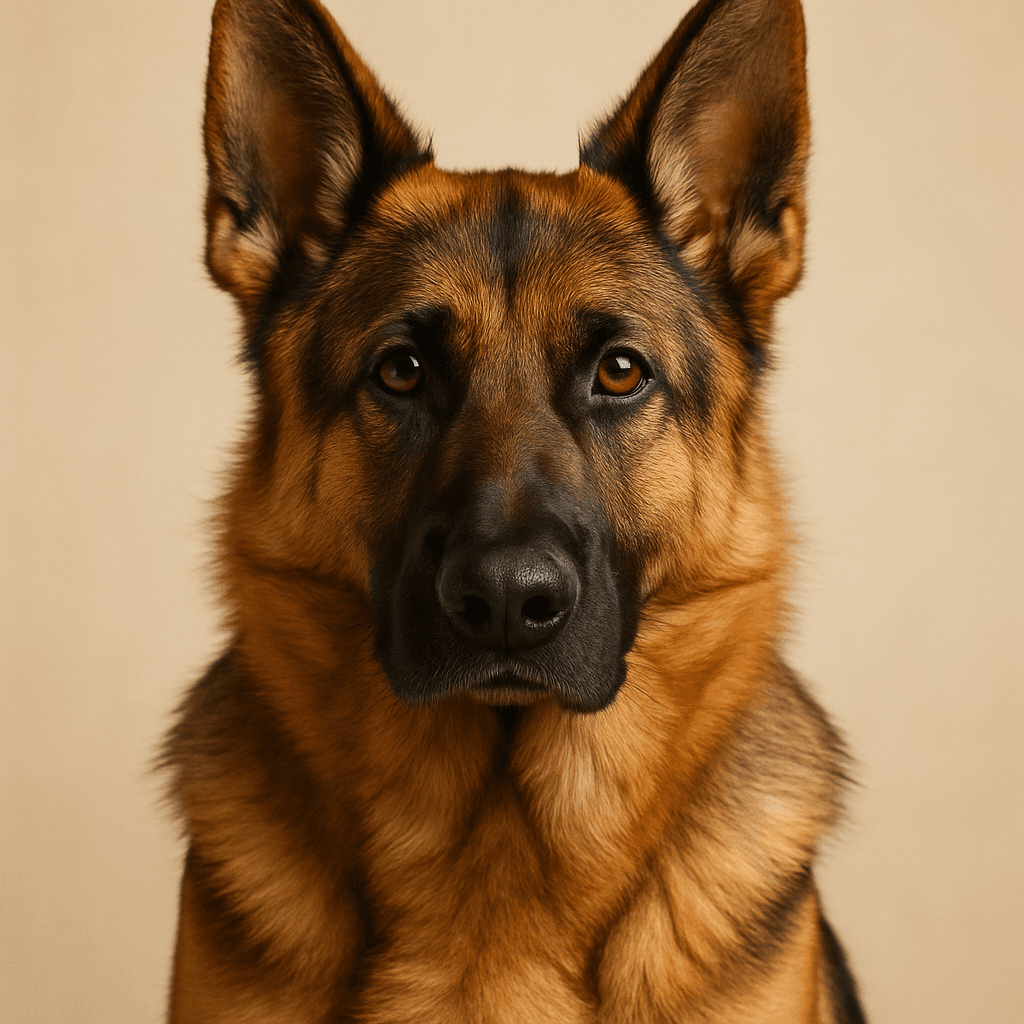
German Shepherds are loyal, intelligent working dogs registered in the KC Pastoral Group. They need two-plus hours of exercise daily plus mental stimulation, and are best suited to experienced owners. Key health concerns include hip dysplasia, EPI and degenerative myelopathy. Expect monthly costs of £135 to £250, with a lifespan of 9 to 13 years.
Quick Facts
- Size
- Large
- Weight
- 22–40 kg
- Lifespan
- 9–13 years
- Breed Group
- Pastoral
- Exercise
- 120–150 mins/day
- Activity Level
- Very High
- Grooming
- Moderate
- Monthly Cost
- £90–£160/month
- Temperament
- Loyal, Intelligent, Confident
- Good with Children
- Yes
- Good with Dogs
- Yes
- Good for First Timers
- No
- Suits Flats
- No
Free care guide
Get the Complete German Shepherd Care Guide
Feeding, health, grooming, training and costs for your German Shepherd. Free, straight to your inbox.
Getting set up
Getting a German Shepherd? Here's what you'll need.
Our editors have picked the essentials for German Shepherd owners.
See the First Dog Kit →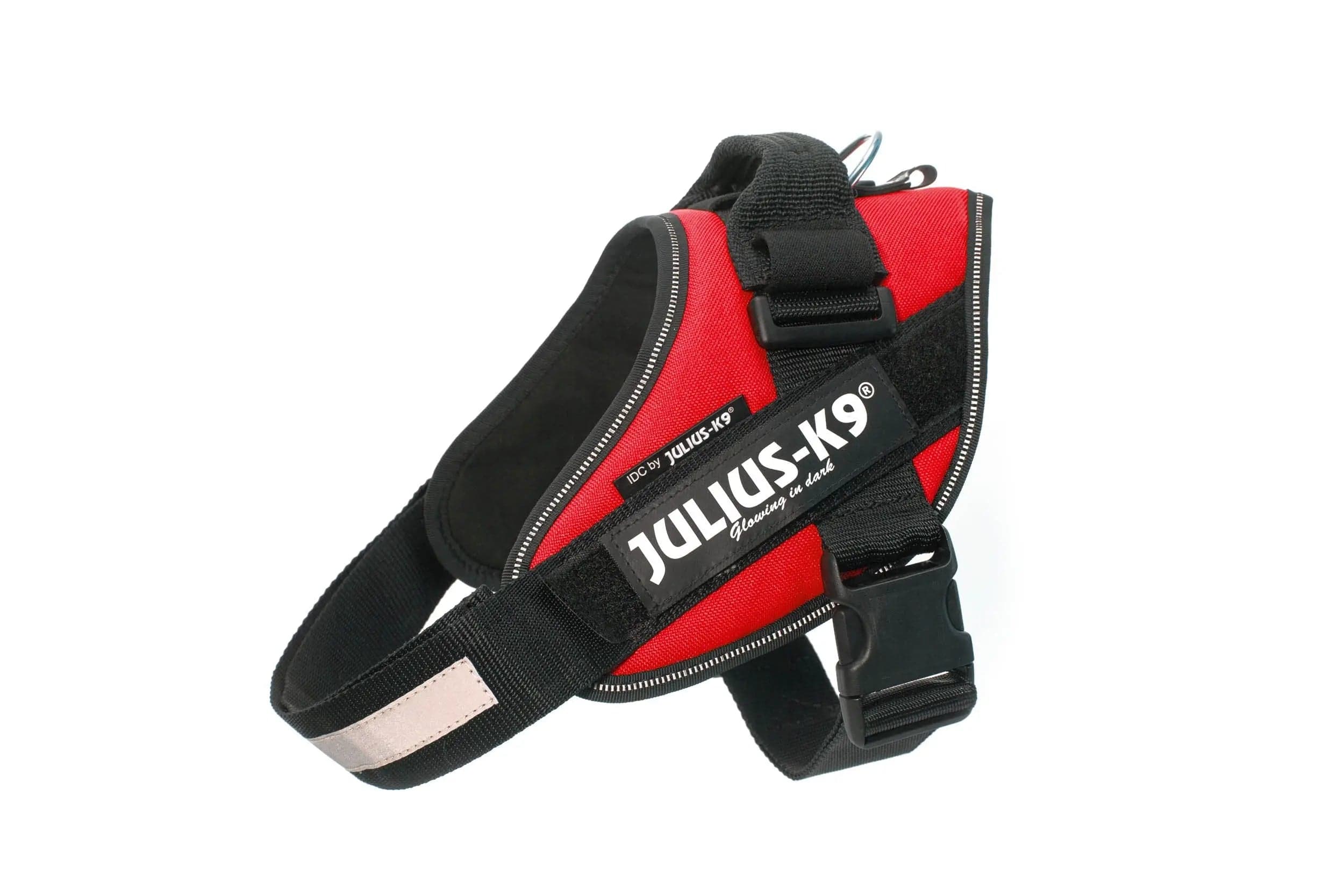
Pros & Cons
Pros
- Extremely intelligent and highly trainable
- Deeply loyal and protective of family
- Versatile — police, assistance, family and sport
- Responds brilliantly to structured training
- Strong bond with experienced owners
Things to Consider
- Not ideal for first-time owners
- Needs 2+ hours of exercise daily
- Heavy shedding — grooming intensive
- Can be reactive or anxious without socialisation
- Higher vet costs — prone to hip dysplasia and EPI
Recommended for Adult Dogs for German Shepherds
Products selected for German Shepherd size, coat type, and life stage. Affiliate disclosure.
PetFusion
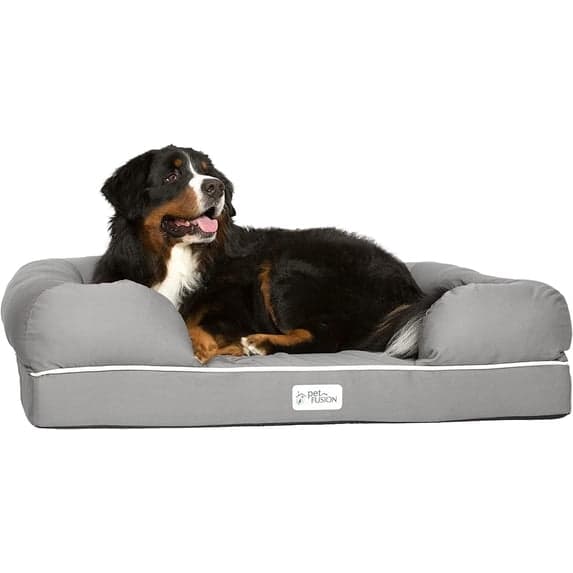
PetFusion Ultimate Dog Bed (Large)
Memory foam orthopedic bed with waterproof cover. Ideal for large breeds.
Shop PetFusionTuffies
Shop NowKurgo
Shop NowProDen PlaqueOff
VOHC-accepted. Seaweed-based dental bone with multiple flavours. From the makers of PlaqueOff Powder.
Buy on AmazonHurtta
Hurtta Mudventure ECO Raincoat (Large)
Reflective, eco-friendly raincoat built for UK weather. Large size.
Shop HurttaBarking Heads
Shop NowRoyal Canin
Royal Canin Breed-Specific Food
Nutrition precision-tailored to your breed.
Shop Royal CaninAATU Dog and Cat Food
Shop NowLily's Kitchen
Shop NowHarringtons
The UK's bestselling dry dog food. No artificial colours, flavours or preservatives. Made with natural ingredients including chicken, brown rice and vegetables. Available in multiple sizes.
Shop NowAnimology
The UK groomer standard for removing fox poo and foul odours. Deep cleaning with built-in conditioner and Pro-Vitamin B5. Suitable for all coats from 6 weeks old.
Shop NowChris Christensen
Shop NowBoshel
Shop NowRosewood
Shop NowDrontal
Shop NowPets Calm Down
Shop NowJulius-K9
Julius-K9 IDC Powerharness (Large)
Award-winning harness trusted by dog owners worldwide. Large size (23-30kg).
Shop Julius-K9PitPat
Shop NowFurbo
Shop NowNina Ottosson
Nina Ottosson Dog Puzzle
Level 2 puzzle feeder. Engages your dog mentally and slows eating.
Try Nina OttossonLickiMat
LickiMat Wobble
Slows feeding, reduces anxiety, keeps dogs calm and engaged.
Try LickiMatKONG
KONG Classic (Large)
The classic rubber chew for large and giant breeds.
Shop KONGChuckit
Chuckit! Ball Launcher (Large)
Launch further, throw less. Sport 26L launcher for large dogs.
Shop Chuckit!Trixie
Shop NowDoggone Good
Shop NowFURminator
FURminator Deshedding Tool (Large, Long & Double Coat)
Reduces shedding by up to 90% for large long-coated dogs.
Shop FURminatorBreed Overview
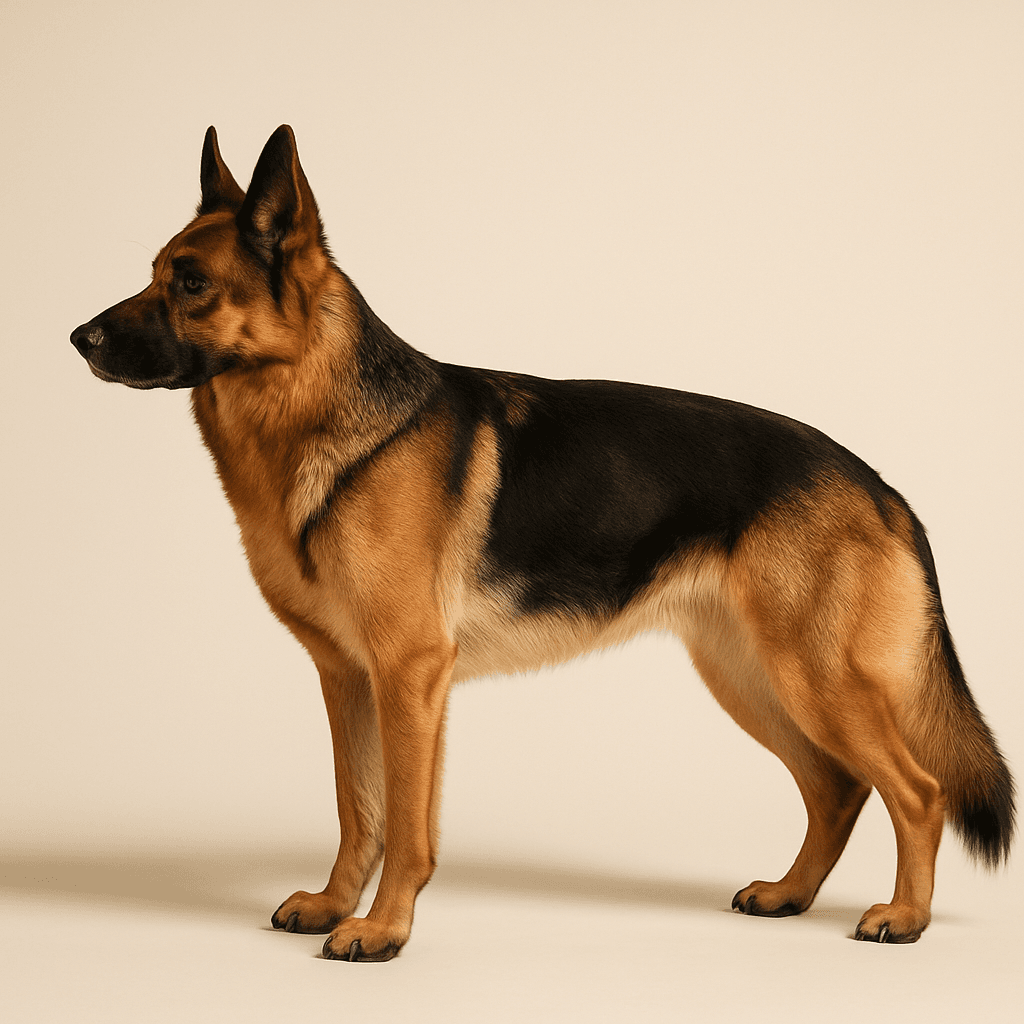
The German Shepherd Dog is one of the world's most versatile working breeds and one of the UK's most consistently popular, recognised by the Kennel Club in the Pastoral Group. Intelligent, loyal and deeply bonded to their families, German Shepherds have served as police and military dogs, search and rescue animals, assistance dogs, and household companions for over a century. Their ability to learn and their work ethic are genuinely exceptional: a German Shepherd with a job to do and a confident, experienced owner is a remarkable animal.
A German Shepherd without sufficient mental stimulation and structured activity is a very different prospect. This is a breed that needs a purpose, not simply walks. Bored, under-stimulated German Shepherds can develop anxiety, destructive behaviour, excessive barking, and in some cases, reactivity. The working dog mentality that makes them so capable also means they are not well-suited to owners who are unable to dedicate significant time to training and engagement.
German Shepherds are typically loyal and gentle with their own family, including children, but can be reserved or wary with strangers. This wariness is a characteristic of the breed rather than a fault: a well-socialised German Shepherd that has learned to read situations accurately is a confident, stable animal. Poor socialisation, on the other hand, can produce a dog that is fearful and reactive, which is both a welfare issue and a management challenge.
Health considerations are significant. Hip dysplasia is endemic in the breed and is the primary reason the KC Hip Scoring scheme was developed. Exocrine Pancreatic Insufficiency (EPI) is a breed-specific digestive condition, and Degenerative Myelopathy is a progressive neurological condition that affects some German Shepherds in later life. Buying from a health-tested breeder is essential.
Purchase prices from KC-registered, health-tested breeders typically range from £800 to £2,000, with working-line dogs from proven lines sometimes exceeding this. German Shepherds are in very high numbers in UK rescue, driven largely by owners who chose the breed without fully understanding its demands. German Shepherd Rescue Elite is one of the most prominent organisations working with the breed in the UK.
In the right home, with experienced ownership, consistent training and structured daily activity, the German Shepherd is an outstanding companion and working animal. Few breeds match their combination of intelligence, loyalty and versatility. The commitment required is substantial, but for the right owner, the reward fully matches it. Typical lifespan is 9 to 13 years.
Temperament & Personality
German Shepherds are loyal, intelligent and deeply bonded to their families. They form strong attachments and are typically reliable and gentle with the people they know. Their working dog heritage means they are constantly assessing their environment: a well-socialised German Shepherd is calm and confident; one that has not been properly socialised can be anxious, reactive, or both.
They tend to be reserved with strangers rather than openly friendly in the manner of a Labrador or Golden Retriever. This is a breed characteristic, not a sign of aggression, but it does mean that comprehensive socialisation from puppyhood is critical. Exposure to a wide range of people, environments, sounds and animals during the critical socialisation window (8 to 16 weeks) shapes the dog's ability to navigate the world confidently as an adult.
German Shepherds have high energy and significant drive. They need an owner who engages with this constructively: training, structured activities, scent work, tracking, and agility all provide the kind of mental engagement this breed requires. A German Shepherd that is only walked, without meaningful mental stimulation, will typically express its frustration in destructive or anxious behaviour.
They are protective by nature, which can be an asset or a liability depending on how it is managed. Proper training channels this instinct appropriately: an over-protective dog with no guidance becomes a dog that is difficult and potentially dangerous to manage in social situations. A good trainer who understands the breed is worth seeking out early.
German Shepherds typically do well in families with children they have grown up alongside, but their size and energy mean that supervision with very young children is important. They are generally good with other dogs and pets when properly introduced and socialised.
Training
German Shepherds are one of the most trainable breeds in the world when handled correctly, and one of the most challenging when they are not. Their intelligence means they learn quickly: both desired behaviours and undesired ones. Consistency, clarity and structure are essential from day one.
Four priorities for a new German Shepherd owner:
- Socialisation. This is the single most important investment you can make in a German Shepherd puppy. The 8 to 16 week window is critical. Systematic exposure to different people, environments, sounds, and animals builds the confidence that prevents fear-based reactivity in adulthood. Do not skip this or underinvest in it.
- Recall and impulse control. A large, fast, driven dog without a reliable recall is a significant liability. Build this with high-value rewards in low-distraction environments before progressing to busier settings.
- Mental stimulation. Beyond walks, German Shepherds need problem-solving, scent work, structured training, or tasks. Aim for at least one mentally engaging activity per day in addition to physical exercise.
- Confidence-building. Avoid punitive or forceful training methods. They damage the dog's trust and can produce anxiety or unpredictable behaviour in a breed that needs to feel secure. Reward-based training with clear expectations produces a more reliable and confident animal.
Common mistakes: Choosing a high-drive working-line German Shepherd as a first dog, under-socialising a puppy, and using confrontational or dominance-based training methods are the most common errors. Each produces predictable and serious problems. Seek a breeder who can advise on type, and a trainer early.
Separation anxiety in German Shepherds
German Shepherds are known for close attachment to their owners. Without early alone-time training, this can develop into separation anxiety.
Read the complete separation anxiety guide →Exercise Needs
German Shepherds need a minimum of two hours of exercise per day, and for working-line dogs this figure should be considered a floor rather than a ceiling. Physical exercise alone is not sufficient: mental stimulation is an equal requirement for this breed.
Vary exercise between structured walks, off-lead running in safe areas, retrieve games, and activities that engage the dog's nose and working instincts. Scent work, tracking, agility and obedience training all provide the kind of purposeful engagement that a German Shepherd needs.
German Shepherds are not suited to flat living or homes without access to a secure garden. They need space to move and owners who are genuinely active.
Puppies should be exercised conservatively: five minutes per month of age, twice daily, protects growing joints. Given the breed's high hip dysplasia rate, avoiding high-impact repetitive exercise such as road running until the dog is at least 18 months old is strongly advisable. Free play in the garden is appropriate and encouraged.
Health & Vet Costs
German Shepherds have several known hereditary health issues that prospective owners should understand and that responsible breeders test for.
Hip dysplasia is endemic in the breed and is the most important health consideration. The KC/BVA Hip Scoring scheme requires breeding dogs to be X-rayed and scored by a panel of experts; the breed mean score is around 18 to 19 (lower is better). Breeders should aim well below the breed mean. Hip dysplasia causes pain and reduced mobility and ultimately requires management or surgical intervention costing several thousand pounds. Elbow dysplasia is also assessed through the KC/BVA Elbow Grading scheme and should be evaluated in breeding dogs.
Exocrine Pancreatic Insufficiency (EPI) is a breed-specific digestive condition in which the pancreas fails to produce sufficient digestive enzymes. Dogs with EPI cannot properly digest or absorb nutrients, leading to severe weight loss, large-volume loose stools and increased appetite despite eating normally. EPI is managed with daily enzyme supplementation: this is a lifelong cost but the condition is very manageable once diagnosed. Diagnosis and initial management typically cost £200 to £500.
Degenerative Myelopathy (DM) is a progressive neurological condition that causes gradual weakness and paralysis of the hindlimbs, typically presenting in middle-aged to older dogs. A DNA test is available that identifies dogs at risk. There is no cure, but physiotherapy and mobility aids can support quality of life.
Gastric Dilatation-Volvulus (GDV or bloat) is a life-threatening emergency in which the stomach fills with gas and twists. German Shepherds, as a deep-chested breed, are at elevated risk. Emergency surgical treatment costs £3,000 to £8,000.
Perianal fistulas are chronic ulcerating lesions around the anus that are disproportionately common in the breed and often require long-term management.
Monthly insurance typically costs £50 to £100 for comprehensive lifetime cover. Typical lifespan is 9 to 13 years.
Feeding & Nutrition
German Shepherds are large, active dogs with significant nutritional requirements. Feed a complete, high-quality large breed food during the growth phase: large breed puppy formulas are designed to support controlled growth and reduce the risk of developmental joint problems. Avoid puppy foods that are too high in calories or calcium, which can accelerate growth too quickly in large breeds.
Adult German Shepherds do well on a high-protein diet appropriate for their activity level. Raw feeding is popular within the breed community, but must be carefully balanced to be nutritionally complete.
For dogs diagnosed with EPI, veterinary-prescribed enzyme supplementation is mixed with every meal. Many EPI dogs also do better on a low-fibre, highly digestible diet: your vet will advise on the most suitable approach for your individual dog.
German Shepherds as a deep-chested breed benefit from not being exercised for at least an hour before and after meals, to reduce the risk of GDV. Raised feeding bowls were historically recommended for this purpose but current evidence on their benefit for GDV prevention is mixed: discuss with your vet.
Feeding your German Shepherd
How much to feed, which food types suit this breed, and what to avoid.
Grooming & Care
German Shepherds have a dense double coat that sheds consistently throughout the year, with two significant seasonal moults in spring and autumn. Owners should be prepared for significant volumes of hair and factor this into their decision.
Brush two to three times per week using a slicker brush and an undercoat rake, increasing to daily during shedding seasons. This removes dead undercoat before it falls around the house and prevents the coat from becoming matted, particularly around the neck and behind the ears. Professional grooming is not typically needed for the standard German Shepherd coat, but many owners use a groomer once or twice a year during heavy moults.
Long-coated German Shepherds (recognised as a separate variety in some countries but not separately KC-registered in the UK) require more frequent brushing to prevent tangles in the longer coat.
Ears should be checked and cleaned weekly: German Shepherds are prone to ear infections. Nails should be trimmed every three to four weeks. Teeth should be brushed regularly with dog-safe toothpaste. Baths every six to eight weeks, or as needed, using a shampoo suited to double coats.
Costs of Ownership
Purchase price: A German Shepherd puppy from a KC-registered, health-tested breeder typically costs £800 to £2,000 in 2025 to 2026. Working-line dogs from proven sport or protection lines may exceed this. Rescue rehoming fees range from £100 to £350.
Setup costs: Crate (large), bedding, harness, bowls, initial vet check, vaccinations, microchip and neutering typically total £600 to £1,000.
Monthly running costs:
- Food (large breed): £55 to £90
- Insurance (comprehensive lifetime): £50 to £100
- Routine vet care and parasite prevention: £20 to £35
- Grooming products or occasional professional grooming: £10 to £25
- Total monthly estimate: £135 to £250
Annual estimate: approximately £1,620 to £3,000, before unexpected vet costs.
Lifetime costs: With a lifespan of 9 to 13 years, total lifetime costs typically range from £15,000 to £35,000 including purchase. Dogs with hip dysplasia requiring management or surgery, or with EPI requiring lifelong supplementation, will sit at the higher end of this range.
Estimated cost breakdown
Estimates based on UK average costs. Actual costs vary by location, vet, and lifestyle.
Owner note
Is your German Shepherd insured?
German Shepherd insurance typically costs £30–£75 per month depending on age, cover level and where you live. Getting the right policy before your first vet visit is one of the most important decisions you will make as a new owner.
Compare dog insuranceWe may earn a commission if you buy through our links. This never influences our recommendations.
Where to Find a German Shepherd in the UK
Whether you are looking for a German Shepherd puppy from a responsible breeder or hoping to give a rescue German Shepherd a second chance, there are reliable routes to finding the right dog. The most important thing is that you find them through the right channel — one that puts the dog's welfare first.
Finding a German Shepherd Puppy
The Kennel Club's Find a Puppy service is the safest starting point for anyone looking for a German Shepherd puppy. It connects buyers with breeders who register their litters and allows you to verify parental health test results.
For German Shepherds, the relevant breed club is German Shepherd Dog League of Great Britain. They maintain a breeder register and can be contacted directly for recommendations.
Before you commit, read our complete guide to finding a puppy responsibly — including the red flags that separate an ethical breeder from a puppy farm.
Read the Puppy Buying GuideRescuing a German Shepherd
German Shepherd-specific rescue organisations are run by people who know the breed inside out. They assess every dog carefully and match them to homes that genuinely suit their needs. Waiting lists exist but are worth it.
Key German Shepherd rescues in the UK include:
Our rescue guide covers the full adoption process in detail.
Find a Rescue DogIs a German Shepherd Right for You?
Well suited to: experienced dog owners who understand working breeds; active owners who can commit to two or more hours of exercise and regular mental stimulation daily; households with secure gardens; owners who enjoy training and want a highly capable, responsive dog.
Not suited to: first-time dog owners without access to experienced guidance; sedentary households or those unable to commit to substantial daily activity; flat living or homes without secure outdoor space; owners who want a dog that requires minimal engagement.
German Shepherds are not recommended as first dogs unless the owner has strong support from an experienced trainer and a clear understanding of the breed's requirements. The breed's intelligence and drive demand a confident, consistent owner who can provide structure and purpose. In that home, they are outstanding. In the wrong home, the difficulties are predictable and serious.
Why people choose a German Shepherd
- Extremely intelligent and highly trainable
- Deeply loyal and protective of family
- Versatile — police, assistance, family and sport
- Responds brilliantly to structured training
- Strong bond with experienced owners
Frequently Asked Questions
Yes — with training and socialisation they are loyal, gentle and protective family dogs.
2 or more hours per day including mental stimulation, training sessions and off-lead running.
Yes — heavily, especially in spring and autumn.
Yes — they are one of the most trainable breeds in the world. They thrive with structured, consistent training.
9 to 13 years on average.
Around £90 to £160 per month.
Not ideal — they need an experienced, confident handler and significant time investment.
Related Breeds
Border Collie
Border Collies are widely regarded as the most intelligent dog breed in the world, registered in the KC Pastoral Group. ...
View breed guide →Labrador Retriever
The Labrador Retriever is a friendly, intelligent and highly trainable dog that makes an excellent family pet in the UK....
View breed guide →Related Guides
Find local services for your German Shepherd
Search verified UK listings for vets, groomers, trainers and walkers near you.
Upcoming events for German Shepherd owners
Championship Show
Darlington Dog Show Society Championship Show 2026
18 to 20 September 2026 · Ripon, North Yorkshire
Companion Show
Paws in the Park — Kent 2026
19 to 20 September 2026 · Maidstone, Kent
Championship Show
Belfast Dog Show Society Championship Show 2026
26 to 27 September 2026 · Lisburn, County Antrim
Festival
DogFest at the Palace 2026
3 to 4 October 2026 · Woodstock, Oxfordshire
Championship Show
South Wales Kennel Association Championship Show 2026
8 to 11 October 2026 · Builth Wells, Powys