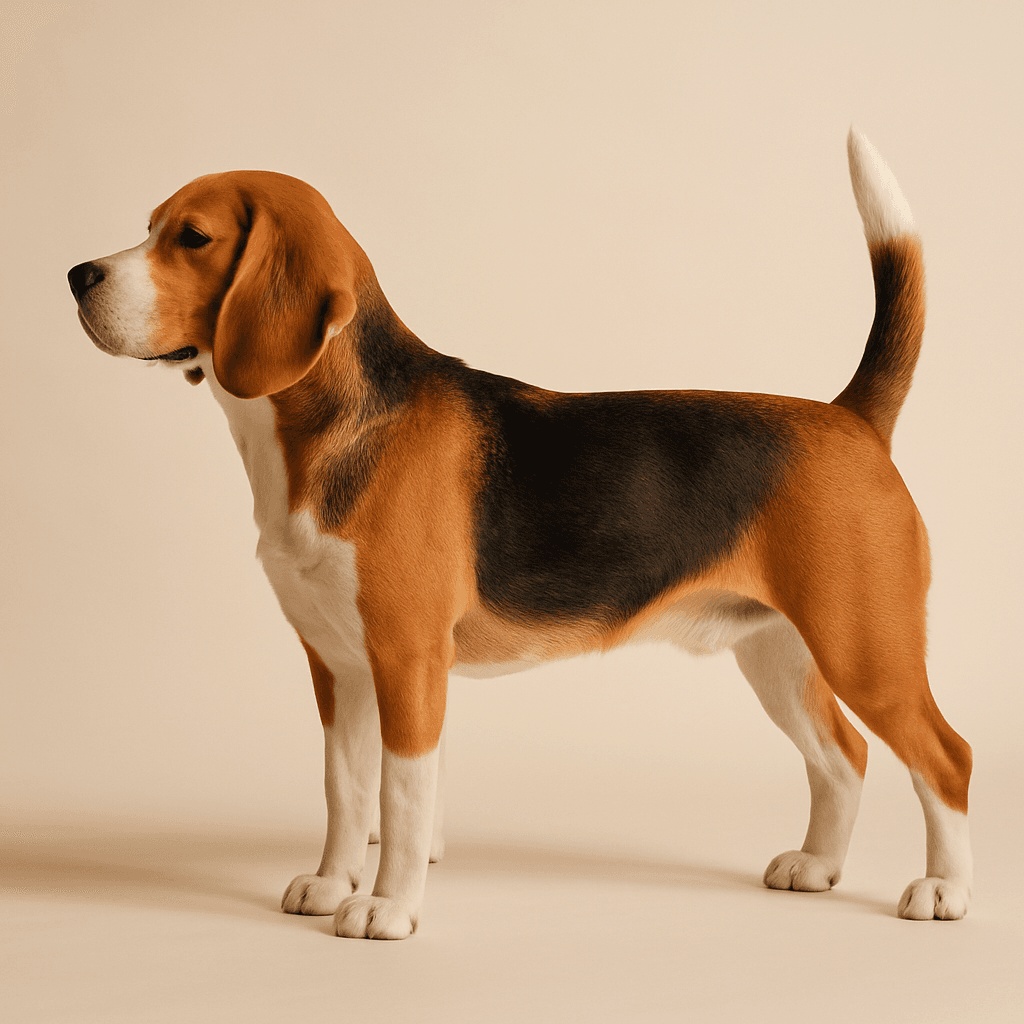
Beagle
Complete UK breed guide

Quick answer
Beagles are sociable, merry Hound Group dogs with an exceptional nose and a significant bay. They cannot be trusted off-lead near roads when following a scent. MLS DNA testing of both parents is important. They need one and a half to two hours of daily exercise with secure off-lead areas. Expect monthly costs of £95 to £165, with a lifespan of 12 to 15 years.
Quick Facts
- Size
- Medium
- Weight
- 9–11 kg
- Lifespan
- 12–15 years
- Breed Group
- Hound
- Exercise
- 60–75 mins/day
- Activity Level
- High
- Grooming
- Low
- Monthly Cost
- £90–£150/month
- Temperament
- Curious, Friendly, Determined
- Good with Children
- Yes
- Good with Dogs
- Yes
- Good for First Timers
- Yes
- Suits Flats
- No
Free care guide
Get the Complete Beagle Care Guide
Feeding, health, grooming, training and costs for your Beagle. Free, straight to your inbox.
Getting set up
Getting a Beagle? Here's what you'll need.
Our editors have picked the essentials for Beagle owners.
See the Active Dog Kit →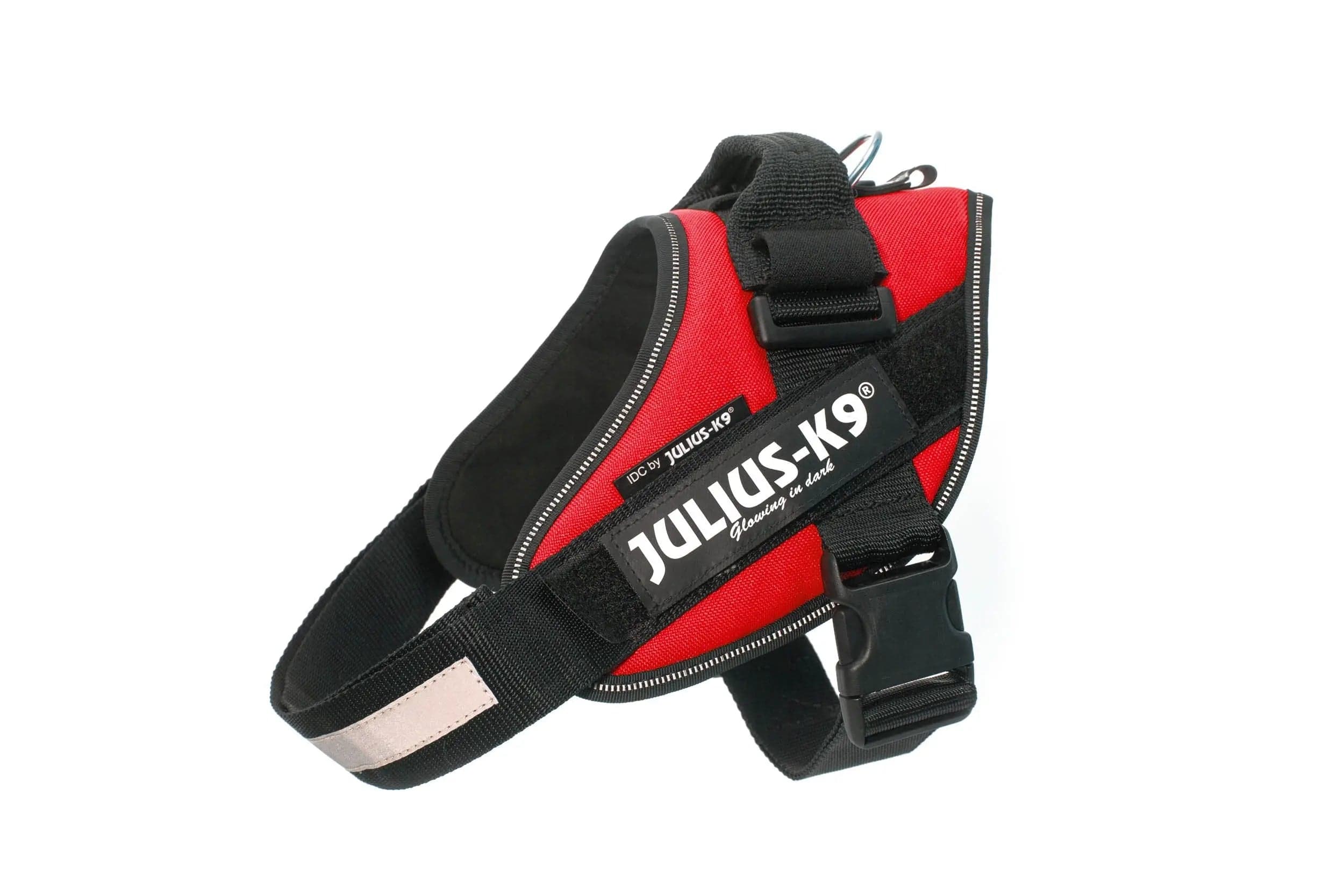
Recommended for Adult Dogs for Beagles
Products selected for Beagle size, coat type, and life stage. Affiliate disclosure.
Tuffies
Shop NowKurgo
Shop NowPedigree
VOHC-accepted. Most affordable evidence-backed daily chew. Widely available. X-shape targets gumline.
Buy on AmazonHurtta
Hurtta Mudventure ECO Raincoat (Medium)
Reflective, eco-friendly raincoat built for UK weather. Medium size.
Shop HurttaLily's Kitchen
Shop NowRoyal Canin
Royal Canin Breed-Specific Food
Nutrition precision-tailored to your breed.
Shop Royal CaninBarking Heads
Shop NowAATU Dog and Cat Food
Shop NowHarringtons
The UK's bestselling dry dog food. No artificial colours, flavours or preservatives. Made with natural ingredients including chicken, brown rice and vegetables. Available in multiple sizes.
Shop NowBoshel
Shop NowAnimology
The UK groomer standard for removing fox poo and foul odours. Deep cleaning with built-in conditioner and Pro-Vitamin B5. Suitable for all coats from 6 weeks old.
Shop NowPets Calm Down
Shop NowDrontal
Shop NowRosewood
Shop NowJulius-K9
Julius-K9 IDC Powerharness (Medium)
Award-winning harness trusted by dog owners worldwide. Medium size (14-25kg).
Shop Julius-K9PitPat
Shop NowFurbo
Shop NowChuckit
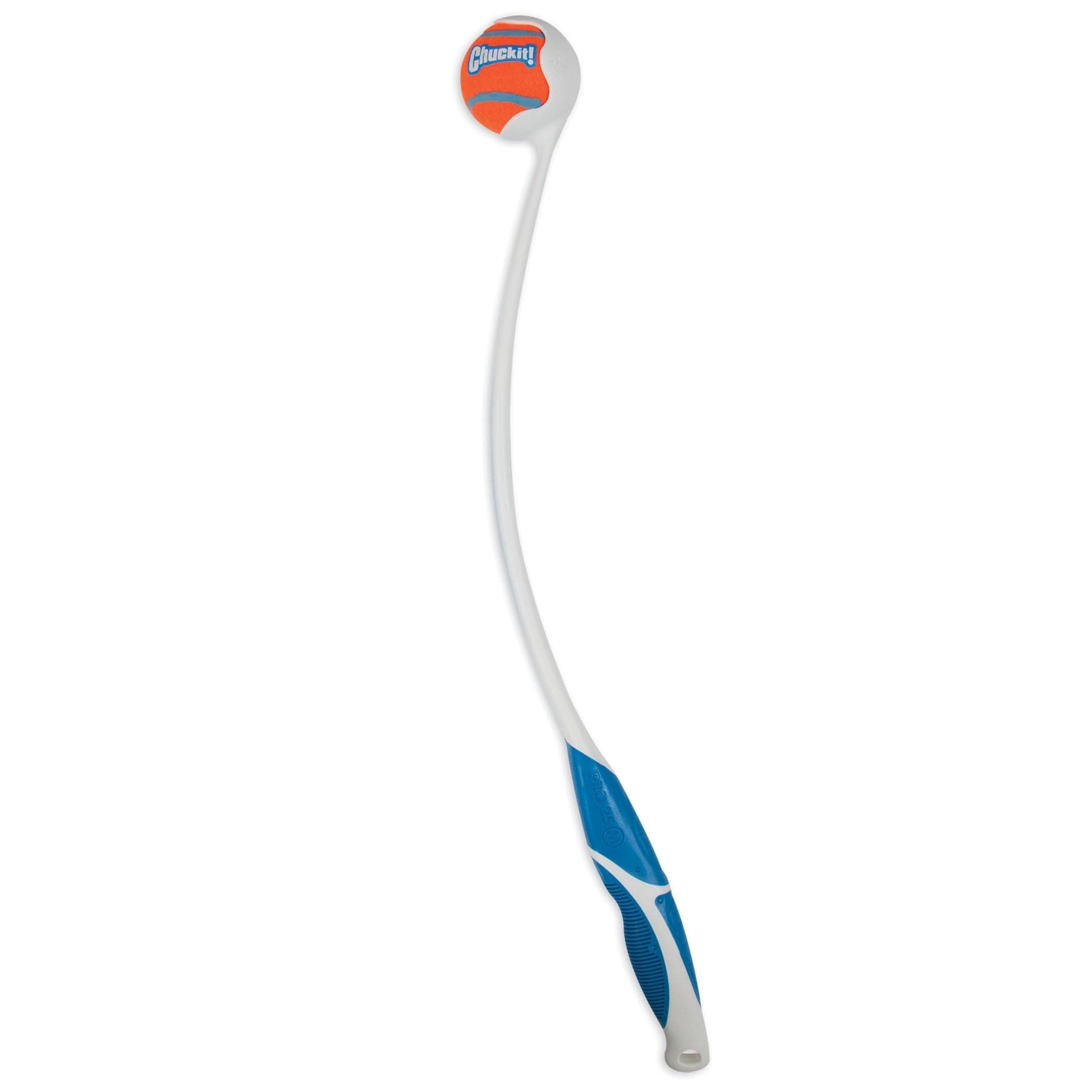
Chuckit! Ball Launcher (Medium)
Launch further, throw less. Sport 25 launcher for medium dogs.
Shop Chuckit!LickiMat
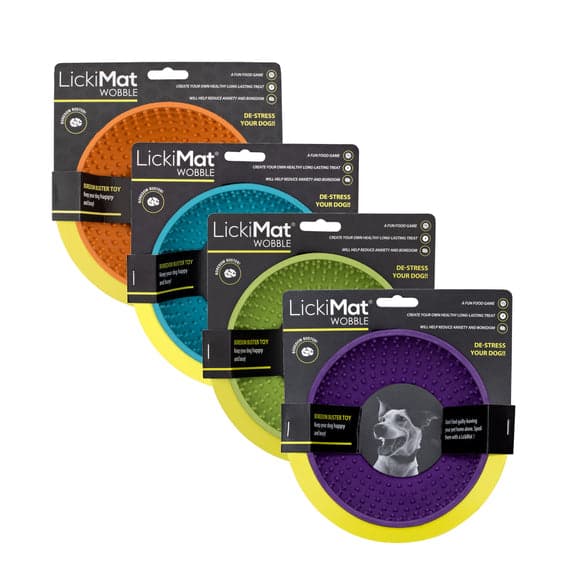
LickiMat Wobble
Slows feeding, reduces anxiety, keeps dogs calm and engaged.
Try LickiMatKONG
KONG Classic (Medium)
The classic rubber chew for medium breeds.
Shop KONGNina Ottosson
Nina Ottosson Dog Puzzle
Level 2 puzzle feeder. Engages your dog mentally and slows eating.
Try Nina OttossonTrixie
Shop NowDoggone Good
Shop NowFURminator
FURminator Deshedding Tool (Medium, Short Hair)
Reduces shedding by up to 90% for medium short-coated dogs.
Shop FURminatorBreed Overview
The Beagle is one of the oldest and most recognisable hound breeds, registered by the Kennel Club in the Hound Group. Originally bred to hunt hares by scent in packs, the modern Beagle is one of the most popular family dogs in the UK: sociable, affectionate, sturdy and merry. They are medium-small dogs with a robust constitution and a genuine enthusiasm for life.
The Beagle's most defining characteristic, the one that most shapes ownership, is its nose. A Beagle that picks up an interesting scent will follow it with single-minded determination, frequently overriding other commands in the process. Recall training is important but should never be relied upon near roads or livestock when the dog is on a trail. Off-lead exercise should only happen in fully enclosed, secure areas or on a long line.
They are also a vocal breed. The Beagle's bay, a deep, melodious howl, is one of the breed's most characteristic features and a genuine consideration in residential areas. They will bay when they pick up a scent, when excited, when left alone and sometimes simply when they feel like it. This can be managed to a degree with training but is fundamentally a breed trait.
Socially, Beagles are excellent. They are pack dogs by nature and typically love other dogs. They are good with children, patient and playful, and generally sociable with people. They dislike being alone and can become destructive or vocal when isolated.
Health testing matters when buying a Beagle. Musladin-Lueke Syndrome (MLS) is a breed-specific connective tissue disorder with a DNA test available. Responsible breeders should test for this. Purchase prices from KC-registered, health-tested breeders typically range from £600 to £1,200. Lifespan is typically 12 to 15 years.
For owners who accept the scenthound's nose-driven nature and plan exercise and recall management accordingly, the Beagle is one of the most rewarding family dogs in the UK. They are sociable, merry and genuinely easy to like. Enrol in a puppy class using positive reinforcement methods, establish a solid recall routine in safe enclosed spaces, and you will have a joyful, affectionate companion for the next 12 to 15 years. The key is to work with the breed's nature rather than fighting it. Scent work classes are available across the UK through organisations such as the Canine Scent Work Association and provide exactly the kind of structured nose activity that a Beagle genuinely enjoys. They are a brilliant breed for owners who want a sociable, merry and characterful companion.
Temperament & Personality
Beagles are merry, sociable and fundamentally good-natured dogs. Their pack heritage makes them naturally sociable with both people and other dogs: most Beagles are delighted to meet new friends of any species. They are affectionate with their family and tend to be excellent with children, combining patience with genuine playfulness.
The Beagle's independence is scent-driven rather than wilful. When they are engaged with their family and not following a trail, they are cooperative and responsive. When they are on a scent, the world narrows to that single obsession and instructions from the owner become background noise. This is not disobedience: it is the breed doing precisely what it was designed to do.
They are not suited to long periods alone. Beagles that are isolated for extended periods become anxious, vocal and destructive. They genuinely need company, whether from people or other dogs. A second dog can significantly reduce separation anxiety in the breed.
Beagles are stubborn in a food-motivated, selective way. They respond extremely well to high-value food rewards and can achieve good levels of obedience when training is engaging and rewarding. Force or repetitive drilling without rewards produces a dog that simply disengages.
Overall, the Beagle is one of the most reliably good-natured and sociable breeds in the UK when its nose and companionship needs are properly managed.
Training
Beagles are capable of good obedience but require training adapted to their scenthound nature. They are highly food-motivated, which is a significant advantage: use the highest-value treats available and keep sessions short and rewarding.
Four priorities for a new Beagle owner:
- Recall: manage expectations. Build a reliable recall using high-value food rewards in low-distraction environments. Accept that off-lead exercise in unfenced areas near roads or livestock is unsafe regardless of how good the recall is in training. Use a long line or secure enclosed areas for off-lead activity.
- Bay management. Address excessive vocalisation with positive training from puppyhood. Baying cannot be eliminated entirely but can be reduced. A dog that bays from separation anxiety needs the anxiety addressed, not just the noise suppressed.
- Impulse control. The nose-led Beagle needs to learn to check in with its owner before following a scent. Build a reliable leave it and watch me from puppyhood: these create the window needed to redirect before the scent takes over.
- Independence tolerance. Beagles are pack dogs and dislike being alone. Build short periods of positive independence from puppyhood. A second dog significantly helps with Beagles prone to separation anxiety.
Common mistakes: Allowing off-lead exercise in unsafe areas because the recall seems good. A Beagle on a strong scent trail will not respond. This has resulted in many Beagle road traffic accidents in the UK.
Good to know
Exercise Needs
Beagles need around one and a half to two hours of exercise per day. They have good stamina and enjoy long walks, but all off-lead exercise must be in securely fenced areas. Never allow a Beagle off-lead near roads, livestock or in areas where a scent trail could lead them into danger.
Exercise should include scent-based activities that satisfy the nose. Scatter feeding in long grass, scent work games and nose-work classes are excellent outlets that tire a Beagle thoroughly and provide genuine mental satisfaction. A Beagle that has done fifteen minutes of structured scent work is often more tired than after an hour of physical walking.
Puppies should follow the five minutes per month of age guideline twice daily. Beagles generally enjoy swimming and will often enter water readily, which provides excellent low-impact exercise.
Long lines (10-20 metres) allow safe semi-free exercise in open areas while maintaining control in situations where scents might take over.
Health & Vet Costs
Beagles are a generally robust breed, but there are hereditary conditions that responsible breeders test for.
Musladin-Lueke Syndrome (MLS) is a hereditary connective tissue disorder specific to the Beagle. It affects the development of connective tissue, causing a characteristic tight skin appearance, shortened outer toes and a stiff gait. Severity varies: mildly affected dogs may live relatively normal lives; severely affected dogs have significant mobility issues. A DNA test is available. Responsible breeders should test both parents and only breed from Clear or Carrier-to-Clear pairings. This test is important when buying a Beagle puppy.
Epilepsy occurs in Beagles and can be hereditary. Ask breeders about the seizure history in their lines. Epilepsy management involves daily medication and regular veterinary monitoring.
Hip dysplasia is assessed through the KC/BVA Hip Scoring scheme. Buyers should ask for hip scores on both parents.
Hypothyroidism occurs in some lines, causing weight gain, lethargy and coat changes. It is manageable with daily medication once diagnosed.
Intervertebral disc disease (IVDD) is seen at higher rates in Beagles than in some other medium breeds due to their chondrodystrophic tendency.
Monthly insurance typically costs £35 to £65. Lifespan is 12 to 15 years.
Feeding & Nutrition
Beagles are famously food-motivated and prone to obesity. They will eat whatever is available and will work hard to access food they have identified in a kitchen, bag or bin. Keeping the Beagle lean is important for joint health and IVDD risk reduction.
Feed a complete, high-quality food appropriate for medium breeds. Follow the feeding guidelines and measure portions accurately. Do not free-feed. Count training treats within the daily calorie allowance: Beagles can easily consume a significant proportion of their daily calories in training rewards.
Keep kitchen bins, food storage and worktops inaccessible. Beagles are determined counter-surfers and bin raiders when motivated by scent. Securing the food environment is part of Beagle ownership. Fresh water should always be available.
Feeding your Beagle
How much to feed, which food types suit this breed, and what to avoid.
Grooming & Care
Beagles have a short, dense, water-resistant double coat that is low-maintenance from a grooming perspective. A weekly brush with a rubber mitt or bristle brush removes dead hair and keeps the coat healthy. They shed moderately year-round and more heavily in spring.
Bathing every four to six weeks or when needed using a gentle dog shampoo is sufficient. Their short coat dries quickly.
Ears require particular attention in the breed. The long, pendulous ear flaps restrict air circulation in the ear canal, creating warm, moist conditions prone to bacterial and yeast infections. Check and clean ears weekly with a veterinary ear cleaner. Signs of infection include odour, redness, discharge or persistent head-shaking.
Nails should be trimmed every three to four weeks. Beagles often have a tendency to develop long nails as they may not naturally wear them down during exercise. Teeth should be brushed regularly.
Costs of Ownership
Purchase price: A Beagle puppy from a KC-registered, health-tested breeder (MLS DNA tested, hip scored) typically costs £600 to £1,200 in 2025 to 2026. Rescue rehoming fees range from £100 to £350.
Setup costs: Crate, bedding, harness, long line, bowls, initial vet check, vaccinations, microchip and neutering typically total £400 to £700.
Monthly running costs:
- Food (medium breed): £35 to £60
- Insurance (comprehensive lifetime): £35 to £65
- Routine vet care and parasite prevention: £20 to £30
- Grooming products: £5 to £10
- Total monthly estimate: £95 to £165
Annual estimate: approximately £1,140 to £1,980, before unexpected vet costs.
Lifetime costs: With a lifespan of 12 to 15 years, lifetime costs typically range from £14,000 to £25,000 including purchase.
Estimated cost breakdown
Estimates based on UK average costs. Actual costs vary by location, vet, and lifestyle.
Owner note
Is your Beagle insured?
Beagle insurance typically costs £20–£55 per month depending on age, cover level and where you live. Getting the right policy before your first vet visit is one of the most important decisions you will make as a new owner.
Compare dog insuranceWe may earn a commission if you buy through our links. This never influences our recommendations.
Where to Find a Beagle in the UK
Whether you are looking for a Beagle puppy from a responsible breeder or hoping to give a rescue Beagle a second chance, there are reliable routes to finding the right dog. The most important thing is that you find them through the right channel — one that puts the dog's welfare first.
Finding a Beagle Puppy
The Kennel Club's Find a Puppy service is the safest starting point for anyone looking for a Beagle puppy. It connects buyers with breeders who register their litters and allows you to verify parental health test results.
For Beagles, the relevant breed club is The Beagle Club. They maintain a breeder register and can be contacted directly for recommendations.
Before you commit, read our complete guide to finding a puppy responsibly — including the red flags that separate an ethical breeder from a puppy farm.
Read the Puppy Buying GuideRescuing a Beagle
Beagle-specific rescue organisations are run by people who know the breed inside out. They assess every dog carefully and match them to homes that genuinely suit their needs. Waiting lists exist but are worth it.
Key Beagle rescues in the UK include:
Our rescue guide covers the full adoption process in detail.
Find a Rescue DogIs a Beagle Right for You?
Well suited to: active families with children; owners with secure gardens; those who enjoy scent work and nose-based activities; multi-dog households (Beagles do very well with canine company); owners who accept and can manage breed-typical vocalisation.
Not suited to: owners in densely packed residential areas with noise-sensitive neighbours and no management plan for baying; those who want a reliably off-lead dog in open areas; owners away from home for long periods daily.
Flat suitability: not ideal. Beagle baying in a flat is a significant noise concern. Possible only for very quiet individuals with thick walls and a serious plan for vocalisation management.
The Beagle rewards the owner who understands and accepts its scent-driven nature. Manage the nose, provide consistent company and exercise, and this is one of the most enjoyable, sociable family dogs in the UK.
Frequently Asked Questions
Yes, Beagles make excellent family dogs and are known for their friendly, affectionate nature with children. They were originally bred to hunt in packs, so they naturally enjoy companionship and thrive in active households. Their playful temperament and manageable size make them ideal for families with older children.
Beagles require 60-75 minutes of exercise daily to stay healthy and happy. They have high energy levels and a strong hunting instinct, so they benefit from varied activities including walks, playtime, and scent work games. Without adequate exercise, they may develop behavioural problems or become destructive.
Yes, Beagles shed moderately throughout the year, with heavier shedding during spring and autumn. Regular brushing with a soft-bristled brush or rubber grooming mitt will help manage loose hair and keep their short coat healthy. Despite moderate shedding, their grooming requirements are generally low.
Beagles can be challenging to train due to their independent nature and strong scent-tracking instincts. They respond best to consistent, positive reinforcement training with high-value rewards, though they may become distracted by interesting smells. Early socialisation and patience are essential for successful training.
Beagles typically live between 12-15 years, making them a long-term commitment for UK dog owners. With proper care, regular veterinary check-ups, and a healthy lifestyle, many Beagles enjoy good quality of life well into their senior years.
Monthly costs for a Beagle typically range from £90-£150, covering food, routine veterinary care, and general maintenance. This estimate may increase if your dog requires specialist treatment or premium food, and does not include initial purchase price or one-off costs like neutering.
Beagles can be suitable for first-time owners who are prepared for their energetic nature and independent streak. They require consistent training, adequate exercise, and secure fencing due to their strong prey drive. First-time owners should be ready for the challenge of managing their scent-tracking instincts and moderate shedding.
Related Breeds
Afghan Hound
The Afghan Hound is a large, elegant sighthound of ancient origin requiring 2 or more hours of daily exercise in securel...
View breed guide →Basenji
The Basenji is a barkless Central African hunting dog registered in the KC Hound Group. It is highly intelligent, indepe...
View breed guide →Basset Hound
The Basset Hound is a low-slung, gentle French scenthound registered in the KC Hound Group. It requires careful weight m...
View breed guide →Related Guides
Find local services for your Beagle
Search verified UK listings for vets, groomers, trainers and walkers near you.
Upcoming events for Beagle owners
Championship Show
Darlington Dog Show Society Championship Show 2026
18 to 20 September 2026 · Ripon, North Yorkshire
Companion Show
Paws in the Park — Kent 2026
19 to 20 September 2026 · Maidstone, Kent
Championship Show
Belfast Dog Show Society Championship Show 2026
26 to 27 September 2026 · Lisburn, County Antrim
Festival
DogFest at the Palace 2026
3 to 4 October 2026 · Woodstock, Oxfordshire
Championship Show
South Wales Kennel Association Championship Show 2026
8 to 11 October 2026 · Builth Wells, Powys