

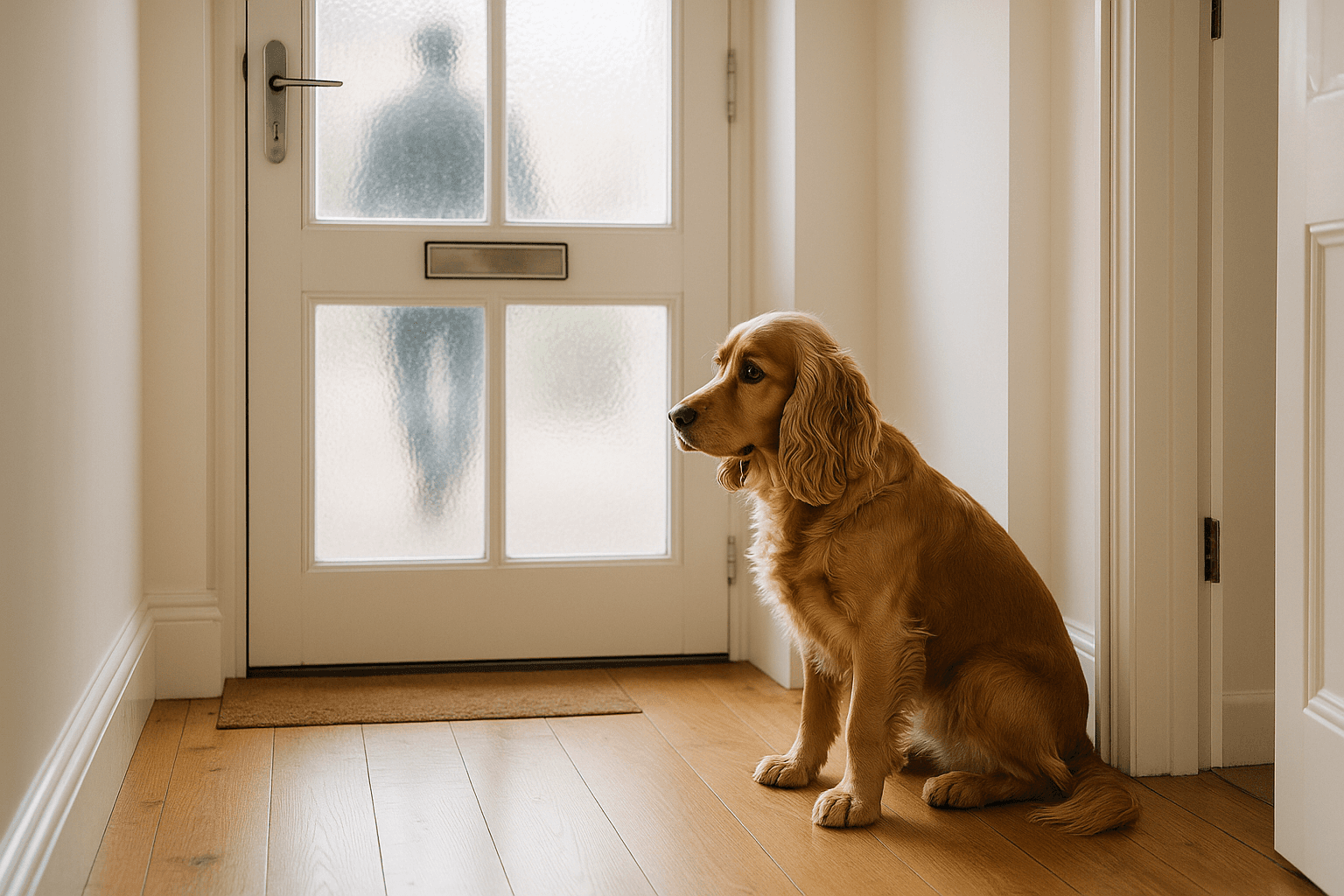
Dog Separation Anxiety: The Complete UK Guide
Quick answer
Separation anxiety is the most common behaviour problem in UK dogs, affecting approximately 50% of dogs according to Dogs Trust research. Signs include barking, destructive behaviour, and toileting when left alone. Treatment combines gradual alone-time training, environmental management, and in some cases calming supplements or veterinary support.
Important warning
What Is Dog Separation Anxiety?
Separation anxiety -- more accurately called separation-related behaviour (SRB) -- describes distress a dog experiences when left alone or separated from the people they are attached to. It is not stubbornness, boredom, or spite. It is a genuine emotional response, similar to a panic attack in humans.
The behaviour occurs because the dog has not learned that being alone is safe, or because past experience has taught them that it is not.
According to the Dogs Trust National Dog Survey 2024, separation anxiety is the single most problematic behaviour reported by UK dog owners. Research by the Royal Veterinary College and Dogs Trust found that around 50% of dogs are affected by separation-related behaviours, and 46.9% of puppies show signs by just six months of age. Yet only 4% of owners with an affected dog ever consult a Clinical Animal Behaviourist.
Signs of Separation Anxiety in Dogs
Signs appear when you leave and typically stop when you return:
- Barking, whining, or howling shortly after you leave
- Destructive behaviour -- chewing near exit points (doors, frames, window ledges)
- Toileting inside despite being house-trained
- Pacing, spinning, or inability to settle
- Excessive salivation or drooling
- Attempts to escape
- Excessively clingy behaviour before you leave
See the full signs guide: How to Tell If Your Dog Has Separation Anxiety
Why Do Dogs Develop Separation Anxiety?
Lack of early alone-time training. Dogs who were never taught to be comfortable alone have no foundation to draw on. This became widespread among pandemic puppies who spent formative weeks with owners working from home.
Attachment. Dogs who form an exceptionally strong bond with one person are more vulnerable when alone-time skills are absent.
Aversive training methods. The 2024 RVC and Dogs Trust study identified use of aversive training techniques as a significant risk factor for separation-related behaviour development.
Changes in routine. A return to office working, a new baby, moving house, or loss of a companion animal can all trigger onset in a previously settled dog.
Rescue history. Dogs with an unknown or difficult past may have learned that being alone is unsafe.
Is It Separation Anxiety or Something Else?
Isolation distress is distress caused by being alone rather than separation from a specific person. A dog with isolation distress may be fine if any person or even another dog is present.
Boredom and frustration can produce similar-looking behaviours but are driven by under-stimulation. A bored dog will usually settle eventually; an anxious dog cannot.
The distinction matters because the treatment approach is different.
How to Treat Separation Anxiety
The core approach is systematic desensitisation -- gradually teaching your dog that being alone is safe by building up alone time in tiny increments, always below the point of distress.
Key principles: start at zero, stay below threshold at all times, build gradually over days and weeks, vary your departure cues, and never punish distress-related behaviour.
For a full step-by-step treatment programme: How to Treat Dog Separation Anxiety
For a practical beginner training guide: How to Leave Your Dog Alone: Step-by-Step
Products That Can Help
Calming supplements and pheromone products will not solve separation anxiety on their own, but they can reduce baseline anxiety and support a training programme.
Adaptil uses a synthetic version of the appeasing pheromone naturally produced by mother dogs. Available as a diffuser, collar, spray, and chews.
YuMOVE Calming Care (formerly YuCALM, by Lintbells) contains L-theanine, lemon balm, and fish protein hydrolysate. Available as daily tablets.
For a full product comparison: Best Calming Products for Dogs with Separation Anxiety
When to See a Professional
If your dog has moderate to severe separation anxiety, seek professional support sooner rather than later.
A Clinical Animal Behaviourist (CAB) accredited by the Animal Behaviour and Training Council (ABTC) is the highest qualified professional for this issue. Find one at abtc.org.uk.
Your vet should be the first port of call if symptoms are severe. In some cases, medication combined with a behaviour programme produces significantly better outcomes.
Dogs Trust offers a free Behaviour Support Line that supported over 8,000 owners and their dogs in 2024.
Treatment steps for separation anxiety
- Rule out medical causes with your vet before beginning any behaviour programme
- Build a short alone-time baseline (even 30 seconds) your dog tolerates without distress
- Use desensitisation: practise departure cues (keys, coat, bag) without actually leaving
- Increase alone time by very small increments, always below the threshold that triggers anxiety
- Record your dog at home to objectively see what happens when you leave
- Refer to a Clinical Animal Behaviourist (ABTC-accredited) for moderate or severe cases
Frequently Asked Questions
It depends on severity. Mild cases can improve in weeks with consistent training. Moderate to severe cases typically take three to six months of structured work, and some dogs need ongoing management rather than a full cure.
Many dogs make significant and lasting improvement. Some require ongoing management. The goal is not always a complete cure -- it is getting your dog to a level of comfort where they can be left safely and without suffering.
Sometimes -- particularly if the dog has isolation distress rather than person-specific separation anxiety. It will not help a dog whose anxiety is specifically about you being absent. Getting a second dog solely to fix anxiety often creates two dogs with anxiety.
Yes. The RVC and Dogs Trust Generation Pup study found 46.9% of puppies showed separation-related behaviours by six months of age. Building alone-time tolerance from the first week at home is the most effective prevention.
Some breeds show higher rates, including Spaniels, Vizslas, German Shepherds, and Border Collies. Individual temperament and early experience are stronger predictors than breed alone.
More from Dog Training
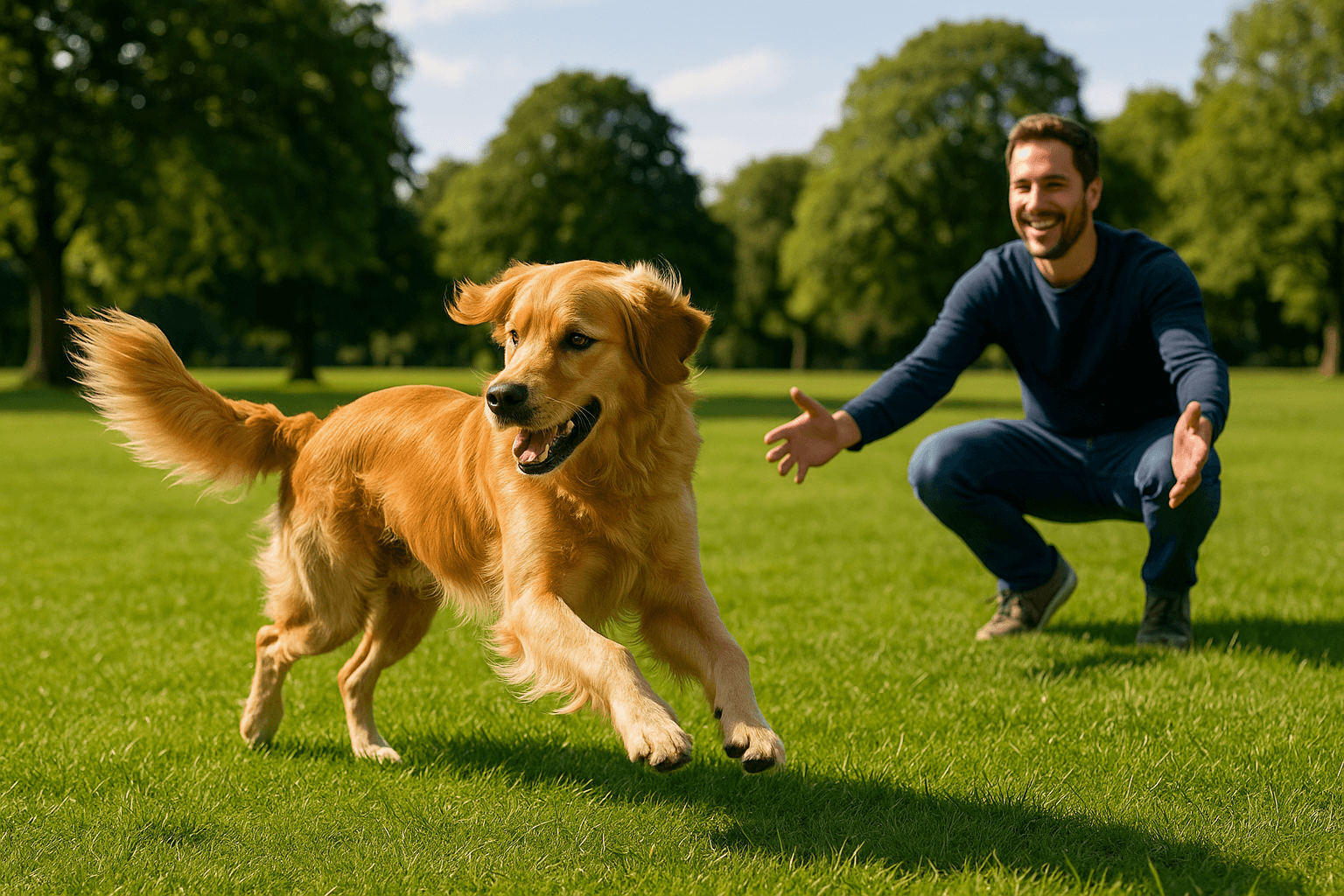
How to Train Recall: The Most Important Skill Your Dog Will Learn
Training a reliable dog recall requires charging the cue indoors first, then building up through a long line to real-world environments gradually. Never call your dog for something they dislike, always reward a return regardless of speed, and use high-value treats like chicken or cheese rather than kibble when competing with outdoor distractions.
Read guide →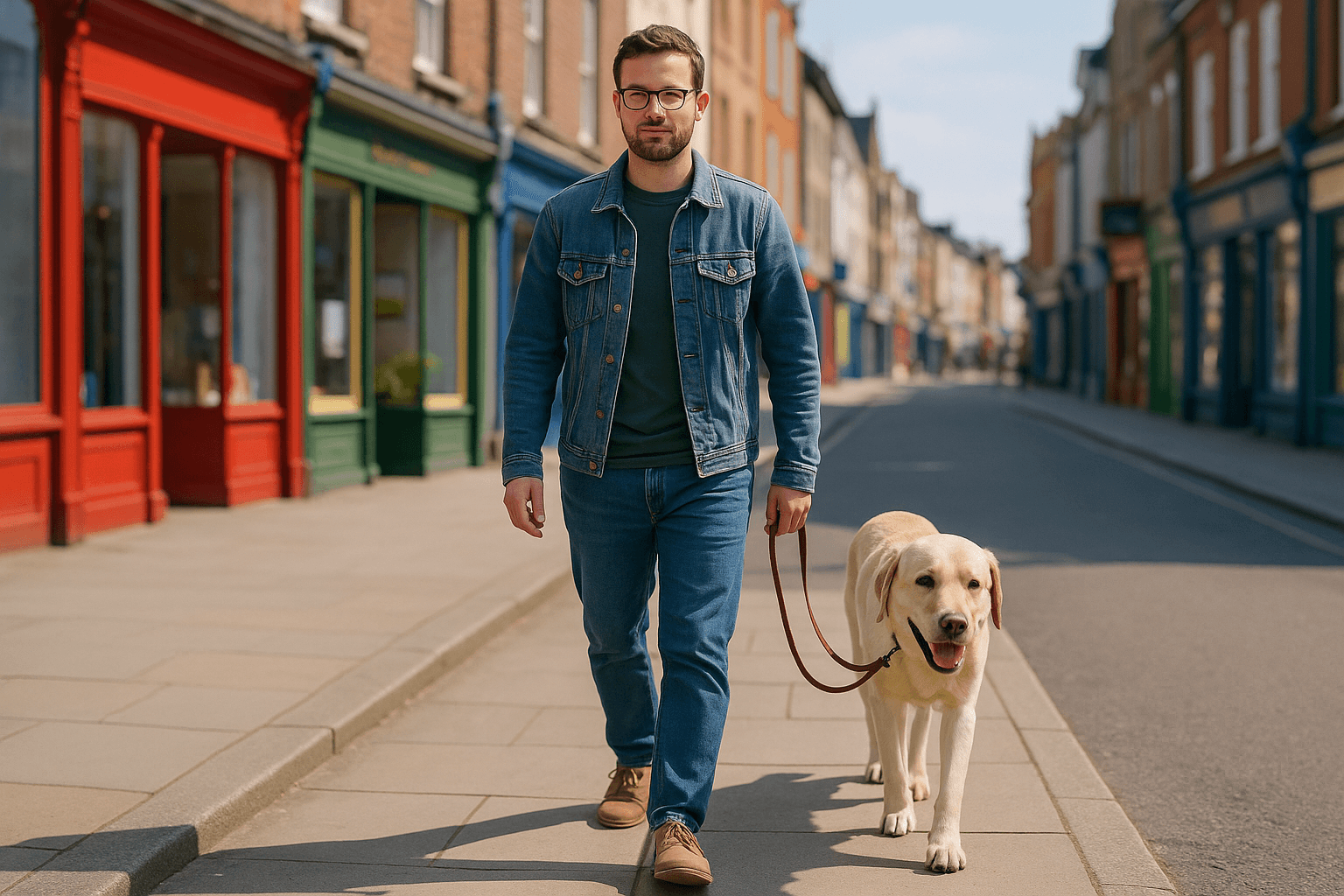
Loose Lead Walking: A Step-by-Step UK Guide
Loose lead walking is trained using the stop-start method: stop the moment the lead tightens, move forward the moment it slackens. A front-clip harness or head collar helps manage pulling while training is underway. Consistent application by everyone who walks the dog is the single most important factor in how quickly the behaviour changes.
Read guide →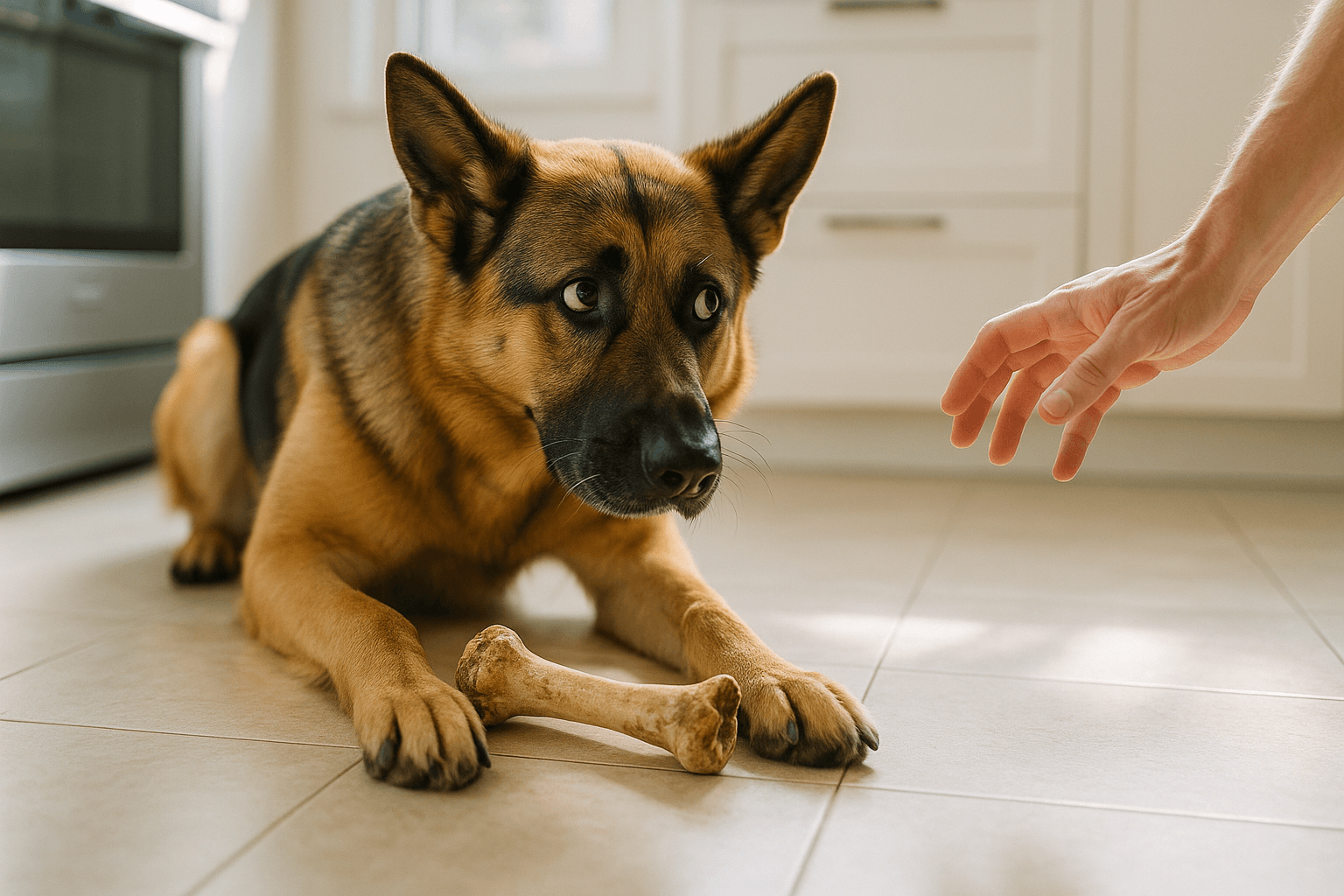
Resource Guarding in Dogs: What It Is and How to Address It
Resource guarding is a normal canine behaviour that becomes a problem when intense or frequent. Punishment suppresses warning signals without changing the underlying feeling, making the dog more dangerous. The safe approach is management first, then counter-conditioning: teaching the dog that human approach near their resources predicts good things arriving.
Read guide →