

Dobermann
Complete UK breed guide

Quick answer
Dobermanns are athletic, loyal working dogs with a significant inherited cardiac condition: Dilated Cardiomyopathy (DCM) affects a large proportion of the breed and can cause sudden death. Cardiac screening is essential. Insurance costs £50 to £100 per month. Lifespan is 10 to 12 years.
Quick Facts
- Size
- Large
- Weight
- 32–45 kg
- Lifespan
- 10–12 years
- Breed Group
- Working
- Exercise
- 90–120 mins/day
- Activity Level
- very high
- Grooming
- Low
- Monthly Cost
- £140–£220/month
- Temperament
- Loyal, Alert, Intelligent
- Good with Children
- Yes
- Good with Dogs
- Yes
- Good for First Timers
- No
- Suits Flats
- No
Free care guide
Get the Complete Dobermann Care Guide
Feeding, health, grooming, training and costs for your Dobermann. Free, straight to your inbox.
Getting set up
Getting a Dobermann? Here's what you'll need.
Our editors have picked the essentials for Dobermann owners.
See the First Dog Kit →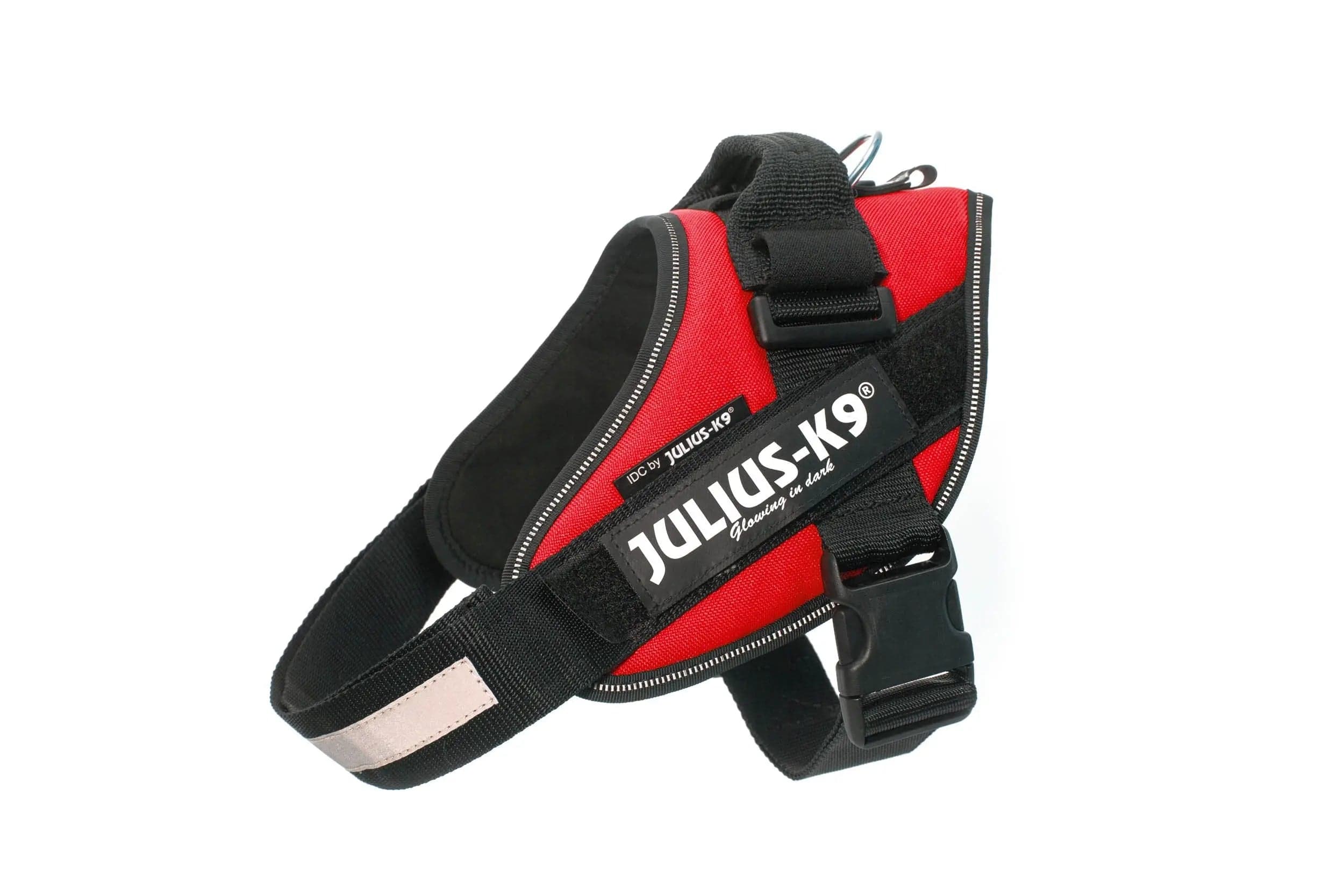

Recommended for Adult Dogs for Dobermanns
Products selected for Dobermann size, coat type, and life stage. Affiliate disclosure.
Tuffies
Shop NowPetFusion
PetFusion Ultimate Dog Bed (Large)
Memory foam orthopedic bed with waterproof cover. Ideal for large breeds.
Shop PetFusionKurgo
Shop NowProDen PlaqueOff
VOHC-accepted. Seaweed-based dental bone with multiple flavours. From the makers of PlaqueOff Powder.
Buy on AmazonHurtta
Hurtta Mudventure ECO Raincoat (Large)
Reflective, eco-friendly raincoat built for UK weather. Large size.
Shop HurttaLily's Kitchen
Shop NowAATU Dog and Cat Food
Shop NowBarking Heads
Shop NowRoyal Canin
Royal Canin Breed-Specific Food
Nutrition precision-tailored to your breed.
Shop Royal CaninHarringtons
The UK's bestselling dry dog food. No artificial colours, flavours or preservatives. Made with natural ingredients including chicken, brown rice and vegetables. Available in multiple sizes.
Shop NowAnimology
The UK groomer standard for removing fox poo and foul odours. Deep cleaning with built-in conditioner and Pro-Vitamin B5. Suitable for all coats from 6 weeks old.
Shop NowBoshel
Shop NowPets Calm Down
Shop NowRosewood
Shop NowDrontal
Shop NowPitPat
Shop NowJulius-K9
Julius-K9 IDC Powerharness (Large)
Award-winning harness trusted by dog owners worldwide. Large size (23-30kg).
Shop Julius-K9Furbo
Shop NowKONG
KONG Classic (Large)
The classic rubber chew for large and giant breeds.
Shop KONGLickiMat
LickiMat Wobble
Slows feeding, reduces anxiety, keeps dogs calm and engaged.
Try LickiMatChuckit
Chuckit! Ball Launcher (Large)
Launch further, throw less. Sport 26L launcher for large dogs.
Shop Chuckit!Nina Ottosson
Nina Ottosson Dog Puzzle
Level 2 puzzle feeder. Engages your dog mentally and slows eating.
Try Nina OttossonTrixie
Shop NowDoggone Good
Shop NowFURminator
FURminator Deshedding Tool (Large, Short Hair)
Reduces shedding by up to 90% for large short-coated dogs.
Shop FURminatorBreed Overview
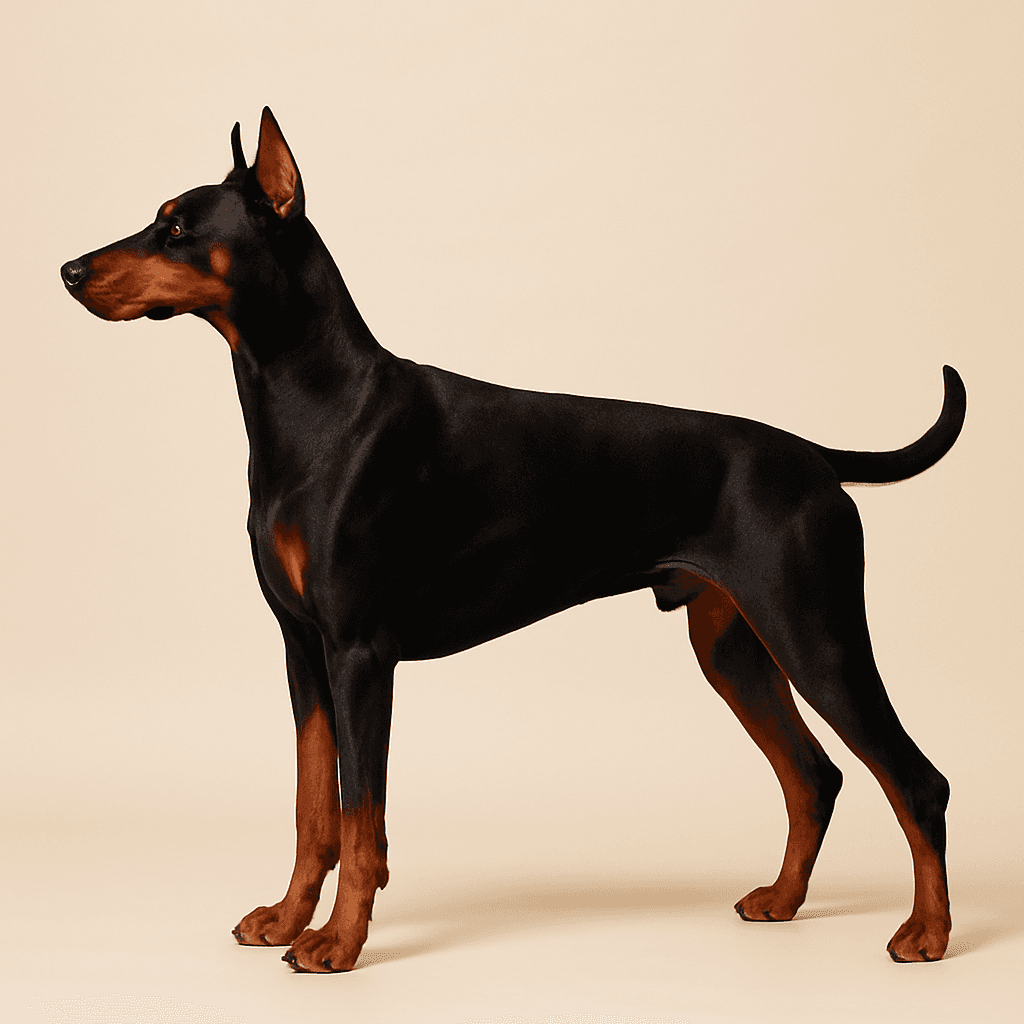
The Dobermann is an elegant, athletic and intensely loyal working dog registered by the Kennel Club in the Working Group. Developed in Germany in the 1890s by tax collector Louis Dobermann, who wanted a medium-large protection dog to accompany him on his rounds, the modern Dobermann retains that combination of athleticism, intelligence and deep loyalty to its owner that defined the breed from its earliest development.
Dobermanns are a breed for committed, experienced owners. They are not difficult dogs in the sense of being aggressive or unpredictable when well-raised, but they have high exercise needs, a strong bond with their owner that requires proper management to prevent separation anxiety, and the most significant inherited cardiac condition of any large breed in the UK.
Dilated Cardiomyopathy (DCM) is the defining health challenge for the Dobermann. It is a condition in which the heart muscle weakens and the chambers enlarge, progressively reducing the heart's ability to pump blood effectively. It is inherited in the Dobermann at very high rates, with research suggesting that the majority of the breed carry the relevant gene mutation. DCM can present as sudden collapse and death with no prior warning, or as a gradual decline in exercise tolerance. Annual cardiac screening through echocardiography and Holter monitor is the standard protocol. All breeding dogs should be screened, but owners of pet Dobermanns should also discuss cardiac monitoring with their vet from middle age onwards.
Von Willebrand Disease (vWD) is a blood clotting disorder that occurs in the breed. A DNA test is available. Responsible breeders should test both parents. Affected dogs bleed more than normal from wounds and after surgery: this is manageable once known but must be communicated to any vet treating the dog.
Dobermanns are not banned under the Dangerous Dogs Act 1991. They are subject to the standard requirement that all dogs be under control in public.
For owners who understand and prepare for the health realities, the Dobermann is a remarkable companion. They are devoted, intelligent and highly trainable. Purchase prices from health-tested KC-registered breeders typically range from £1,000 to £2,000. Lifespan is typically 10 to 12 years, though DCM reduces average lifespan in affected individuals. The Dobermann Trust and Dobermann rescue organisations operate nationally.
This is a breed that demands serious research and preparation, particularly around the cardiac health picture. Go in with full awareness, buy from a breeder who screens rigorously, set up annual cardiac monitoring from around age four, and you will have one of the most loyal and capable companions in the working dog world.
Temperament & Personality
Dobermanns are intensely loyal dogs that bond closely with their owner or family. They are often described as a one-family breed: deeply committed to their people, alert to anything they perceive as a threat, and capable of swift action when they judge it necessary. This loyalty is their greatest quality and the source of their most common management challenges.
They are not indiscriminately aggressive. A well-raised, well-socialised Dobermann is a stable, confident dog that is calm in normal situations and responds proportionately. Aggression without cause is not characteristic of a well-bred Dobermann.
Their intelligence means they read their owner's emotional state accurately and can become anxious when the owner is stressed or uncertain. A Dobermann with an anxious owner often develops anxiety-related behaviours of its own. Calm, consistent leadership produces a calm, reliable dog.
They do not do well with isolation. Dobermanns that are left alone for extended periods without exercise and stimulation become anxious and destructive. Separation anxiety is a common problem in the breed if independence is not built positively from puppyhood.
Dobermanns are playful, energetic and often retain their enthusiasm for activity well into middle age. They are not a low-energy companion breed. They thrive with a job, structured activity and an owner who is genuinely engaged with them.
Training
Dobermanns are among the most trainable of all working breeds. They are intelligent, eager to work and highly responsive to positive reinforcement. They excel in obedience, protection sports, agility and tracking, and are one of the most successful breeds in competitive working dog sports.
Four priorities for a new Dobermann owner:
- Socialisation. Begin immediately and make it comprehensive. A Dobermann that is under-socialised can become reactive: a Dobermann of this size and capability that is reactive is a serious problem. Puppy classes, controlled introductions across a wide range of situations, and continued socialisation throughout adolescence.
- Building independence. Start from day one. A Dobermann that is never left alone as a puppy becomes an adult that cannot cope alone. Build independence gradually and positively from the first week.
- Impulse control. Leave it, wait and settle are foundational. A large, athletic dog that acts on every impulse is difficult to live with. Teach these early.
- Obedience foundation. Enrol in a positive reinforcement class with a trainer experienced with working breeds. The Dobermann's intelligence and trainability reward serious investment in training.
Common mistakes: Allowing adolescent behaviours to become established. Dobermanns mature slowly and can be boisterous teenagers. Consistent training throughout adolescence prevents this phase from becoming entrenched.
Exercise Needs
Dobermanns need at least two hours of vigorous exercise per day. They are athletic dogs with high endurance: road walking alone is insufficient. Running, cycling, agility and structured off-lead play in a secure area provide appropriate physical outlets.
Given the breed's cardiac risk, it is important to monitor exercise tolerance as the dog ages. A Dobermann that is less willing to exercise, tires more quickly than usual, or shows laboured breathing after normal activity should be seen by a vet promptly.
Puppies should not be over-exercised. Protect developing joints with appropriate exercise levels: five minutes per month of age, twice daily, is the standard puppy guideline. Avoid repetitive jumping and hard surfaces until growth plates close at around 18 months.
Mental stimulation is as important as physical exercise for this breed. Training sessions, scent work, puzzle feeders and structured activities prevent the boredom that leads to destructive behaviour.
Health & Vet Costs
Dobermanns carry one of the most significant inherited health burdens of any breed in the UK, centred primarily on cardiac disease.
Dilated Cardiomyopathy (DCM) is the most important health issue in the breed. The heart muscle weakens progressively, causing the heart chambers to enlarge and reducing the heart's ability to pump effectively. In Dobermanns, DCM can present as sudden collapse and death without prior symptoms, or as gradual exercise intolerance, weakness and breathlessness. Studies suggest the majority of Dobermanns carry the mutation associated with DCM. Annual cardiac screening from around age four using echocardiography and 24-hour Holter monitoring is the recommended protocol. Breeding dogs should be screened. Treatment for symptomatic DCM involves cardiac medication; it cannot reverse the disease but can extend quality life. This is the single most important health consideration for any prospective Dobermann owner.
Von Willebrand Disease (vWD) is a blood clotting disorder causing prolonged bleeding from wounds or after surgery. A DNA test is available and both parents should be tested. Affected dogs require specific precautions before any surgical procedure.
Hip dysplasia is assessed through the KC/BVA Hip Scoring scheme. Buyers should ask for hip scores on both parents.
Cervical Spondylomyelopathy (Wobbler Syndrome) affects the cervical spine in some large breeds including the Dobermann, causing a characteristic wobbling gait.
Monthly insurance typically costs £50 to £100. Lifespan is 10 to 12 years, though DCM reduces average lifespan in affected individuals.
Feeding & Nutrition
Dobermanns are lean, muscular dogs that do well on a high-quality complete diet appropriate for large, active breeds. Feed twice daily and monitor body condition: you should be able to feel the ribs without pressing hard but they should not be visible.
Given the breed's cardiac risk, some owners discuss dietary supplementation with their vet, particularly taurine and L-carnitine, which have been associated with DCM in some research. This is a conversation to have with your veterinary cardiologist rather than a self-directed supplementation decision.
Avoid free-feeding and do not allow the dog to become overweight. Excess weight increases the load on the heart and joints. Large deep-chested dogs have some susceptibility to bloat: avoid vigorous exercise for an hour before and after meals.
Feeding your Dobermann
How much to feed, which food types suit this breed, and what to avoid.
Grooming & Care
Dobermanns have a short, smooth, low-maintenance coat. A weekly wipe-down with a rubber grooming mitt or chamois removes dead hair and keeps the coat sleek and healthy. They shed moderately year-round. Bathing every four to six weeks with a gentle dog shampoo is sufficient.
Ears should be checked and cleaned weekly. Nails should be trimmed every three to four weeks. Teeth benefit from regular brushing. The breed is clean and relatively easy to maintain from a coat perspective, making grooming a low-burden aspect of Dobermann ownership compared to many other breeds.
Costs of Ownership
Purchase price: A Dobermann puppy from a KC-registered, health-tested breeder (hip scored, cardiac screened, vWD DNA tested) typically costs £1,000 to £2,000 in 2025 to 2026. Rescue rehoming fees range from £100 to £350.
Setup costs: Large crate, bedding, harness, bowls, initial vet check, vaccinations, microchip and neutering typically total £600 to £1,200.
Monthly running costs:
- Food (large active breed): £55 to £90
- Insurance (comprehensive lifetime): £50 to £100
- Routine vet care and parasite prevention: £20 to £35
- Annual cardiac screening (averaged monthly): £15 to £30
- Total monthly estimate: £140 to £255
Annual estimate: approximately £1,680 to £3,060, before unexpected vet costs.
Lifetime costs: With a lifespan of 10 to 12 years, total lifetime costs typically range from £18,000 to £32,000. Dogs requiring cardiac medication or other management will sit at the higher end.
Estimated cost breakdown
Estimates based on UK average costs. Actual costs vary by location, vet, and lifestyle.
Owner note
Is your Dobermann insured?
Dobermann insurance typically costs £30–£75 per month depending on age, cover level and where you live. Getting the right policy before your first vet visit is one of the most important decisions you will make as a new owner.
Compare dog insuranceWe may earn a commission if you buy through our links. This never influences our recommendations.
Where to Find a Dobermann in the UK
Whether you are looking for a Dobermann puppy from a responsible breeder or hoping to give a rescue Dobermann a second chance, there are reliable routes to finding the right dog. The most important thing is that you find them through the right channel — one that puts the dog's welfare first.
Finding a Dobermann Puppy
The Kennel Club's Find a Puppy service is the safest starting point for anyone looking for a Dobermann puppy. It connects buyers with breeders who register their litters and allows you to verify parental health test results.
For Dobermanns, the relevant breed club is The Dobermann Club. They maintain a breeder register and can be contacted directly for recommendations.
Before you commit, read our complete guide to finding a puppy responsibly — including the red flags that separate an ethical breeder from a puppy farm.
Read the Puppy Buying GuideRescuing a Dobermann
Dobermann-specific rescue organisations are run by people who know the breed inside out. They assess every dog carefully and match them to homes that genuinely suit their needs. Waiting lists exist but are worth it.
Key Dobermann rescues in the UK include:
Our rescue guide covers the full adoption process in detail.
Find a Rescue DogIs a Dobermann Right for You?
Well suited to: experienced dog owners with knowledge of working breeds; active individuals or families with time for two-plus hours of exercise daily; owners prepared to commit to ongoing cardiac monitoring and the health costs this entails; households where the dog will not be left alone for long periods.
Not suited to: first-time dog owners; owners who cannot afford comprehensive insurance and potential cardiac treatment costs; households where the dog would spend most of the day alone; owners who are not prepared for the possibility of a shortened lifespan due to DCM.
The Dobermann's cardiac health picture is not a reason to avoid the breed. It is a reason to go in fully informed, buy from a breeder who screens rigorously, and commit to the cardiac monitoring protocol. The breed rewards serious ownership with exceptional loyalty and capability.
Frequently Asked Questions
Yes, Dobermanns can be excellent family dogs when properly socialised and trained from puppyhood. They are naturally loyal and affectionate with their families, including children, though their high energy and size mean they suit families with older children and active lifestyles.
Dobermanns require 90-120 minutes of exercise daily to stay physically and mentally stimulated. This should include a mix of walks, running, and interactive play, as they are working dogs bred for athleticism and need substantial activity to prevent boredom and behavioural issues.
Dobermanns shed moderately year-round due to their short, dense coat. Regular brushing with a rubber curry comb or soft brush once or twice weekly will help manage loose hair and keep their coat healthy.
Dobermanns are highly intelligent and eager to please, making them responsive to training when handled by experienced owners. They require consistent, firm leadership and benefit from early socialisation and obedience training, but are not recommended for first-time dog owners due to their strong-willed nature.
Dobermanns typically live between 10-13 years. Maintaining good health through regular exercise, a balanced diet, and routine veterinary care can help ensure they live a full and healthy life.
Monthly costs for a Dobermann typically range from £140-£220, covering food, routine veterinary care, and general maintenance. This estimate may increase if specialist training, pet insurance, or unexpected health issues arise.
No, Dobermanns are not recommended for first-time owners. They require experienced handling, consistent training, and strong leadership to manage their protective instincts and high energy levels effectively.
Related Breeds
German Shepherd
German Shepherds are loyal, intelligent working dogs registered in the KC Pastoral Group. They need two-plus hours of ex...
View breed guide →Rottweiler
Rottweilers are large, confident working dogs needing experienced owners and thorough socialisation. Key health tests in...
View breed guide →Weimaraner
The Weimaraner is a high-energy gundog needing two or more hours of vigorous exercise daily. It is highly prone to separ...
View breed guide →Related Guides
Find local services for your Dobermann
Search verified UK listings for vets, groomers, trainers and walkers near you.
Upcoming events for Dobermann owners
Championship Show
Darlington Dog Show Society Championship Show 2026
18 to 20 September 2026 · Ripon, North Yorkshire
Companion Show
Paws in the Park — Kent 2026
19 to 20 September 2026 · Maidstone, Kent
Championship Show
Belfast Dog Show Society Championship Show 2026
26 to 27 September 2026 · Lisburn, County Antrim
Festival
DogFest at the Palace 2026
3 to 4 October 2026 · Woodstock, Oxfordshire
Championship Show
South Wales Kennel Association Championship Show 2026
8 to 11 October 2026 · Builth Wells, Powys