

Labrador Retriever
Complete UK breed guide

Quick answer
The Labrador Retriever is a friendly, intelligent and highly trainable dog that makes an excellent family pet in the UK. Labs need daily exercise, mental stimulation and consistent training, and they are prone to weight gain and joint issues. Expect monthly costs of £80–£150 and a lifespan of 10–14 years.
Quick Facts
- Size
- Large
- Weight
- 25–36 kg
- Lifespan
- 10–14 years
- Breed Group
- Gundog
- Exercise
- 90–120 mins/day
- Activity Level
- High
- Grooming
- Low
- Monthly Cost
- £80–£150/month
- Temperament
- Friendly, Sociable, Eager to please
- Good with Children
- Yes
- Good with Dogs
- Yes
- Good for First Timers
- Yes
- Suits Flats
- No
Free care guide
Get the Complete Labrador Retriever Care Guide
Feeding, health, grooming, training and costs for your Labrador Retriever. Free, straight to your inbox.

Getting set up
Getting a Labrador Retriever? Here's what you'll need.
Our editors have picked the essentials for Labrador Retriever owners.
See the Active Dog Kit →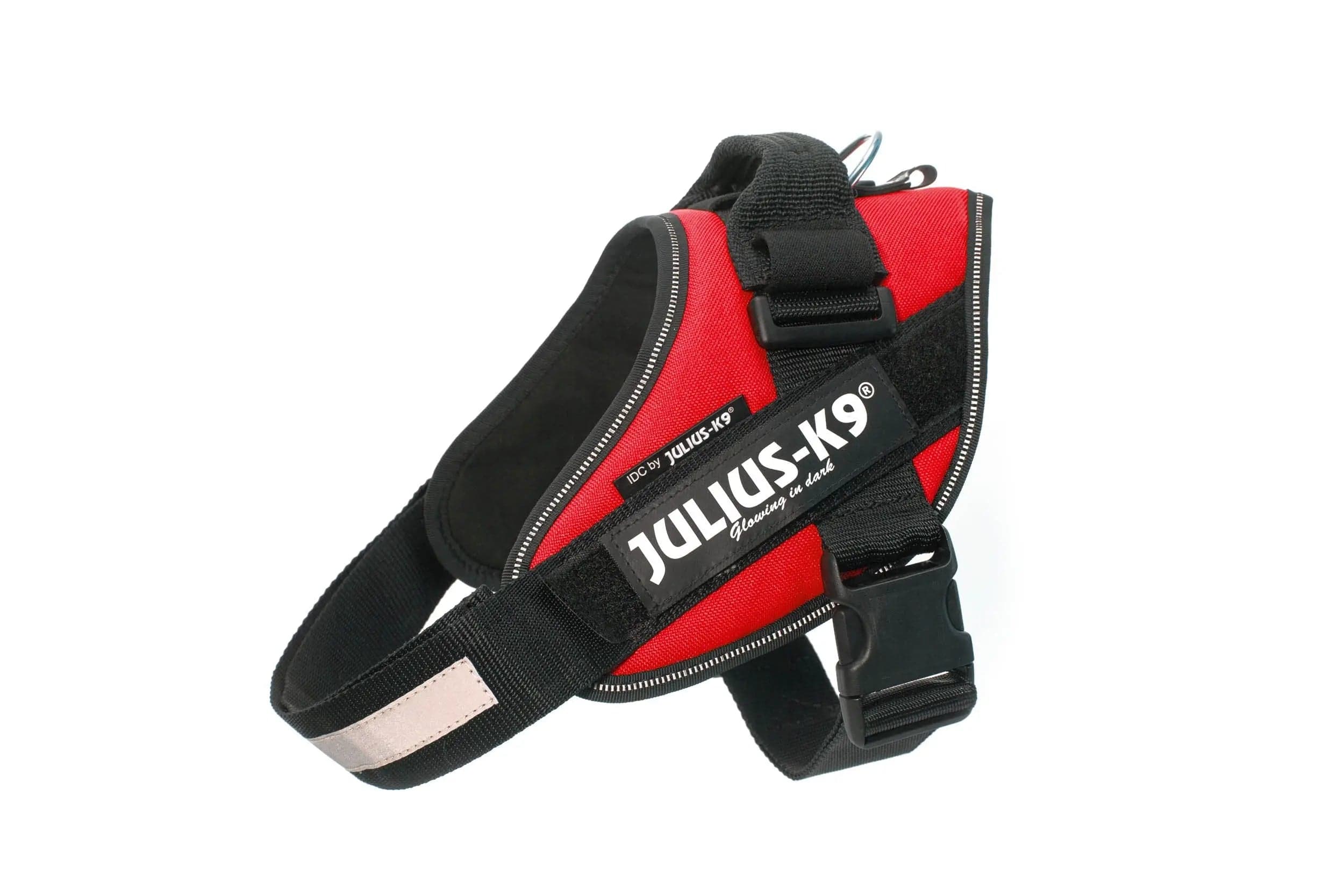
Everything you need for a Labrador Retriever
Harnesses, grooming, food and more, all chosen specifically for Labrador Retriever owners.
See the guidePros & Cons
Pros
- Excellent family dog
- Highly trainable and food motivated
- Friendly with children, dogs and strangers
- Versatile — family pet, assistance dog, working gundog
- Adapts well to most UK lifestyles
Things to Consider
- High exercise needs — 1.5 to 2 hours daily
- Prone to weight gain without careful feeding
- Heavy shedder, especially in spring and autumn
- Can be destructive or mouthy if under-exercised
- Strong pulling instinct — lead training essential
Recommended for Adult Dogs for Labrador Retrievers
Products selected for Labrador Retriever size, coat type, and life stage. Affiliate disclosure.
Tuffies
Shop NowPetFusion
PetFusion Ultimate Dog Bed (Large)
Memory foam orthopedic bed with waterproof cover. Ideal for large breeds.
Shop PetFusionKurgo
Shop NowProDen PlaqueOff
VOHC-accepted. Seaweed-based dental bone with multiple flavours. From the makers of PlaqueOff Powder.
Buy on AmazonHurtta
Hurtta Mudventure ECO Raincoat (Large)
Reflective, eco-friendly raincoat built for UK weather. Large size.
Shop HurttaLily's Kitchen
Shop NowAATU Dog and Cat Food
Shop NowBarking Heads
Shop NowRoyal Canin
Royal Canin Breed-Specific Food
Nutrition precision-tailored to your breed.
Shop Royal CaninHarringtons
The UK's bestselling dry dog food. No artificial colours, flavours or preservatives. Made with natural ingredients including chicken, brown rice and vegetables. Available in multiple sizes.
Shop NowAnimology
The UK groomer standard for removing fox poo and foul odours. Deep cleaning with built-in conditioner and Pro-Vitamin B5. Suitable for all coats from 6 weeks old.
Shop NowBoshel
Shop NowPets Calm Down
Shop NowRosewood
Shop NowDrontal
Shop NowPitPat
Shop NowJulius-K9
Julius-K9 IDC Powerharness (Large)
Award-winning harness trusted by dog owners worldwide. Large size (23-30kg).
Shop Julius-K9Furbo
Shop NowKONG
KONG Classic (Large)
The classic rubber chew for large and giant breeds.
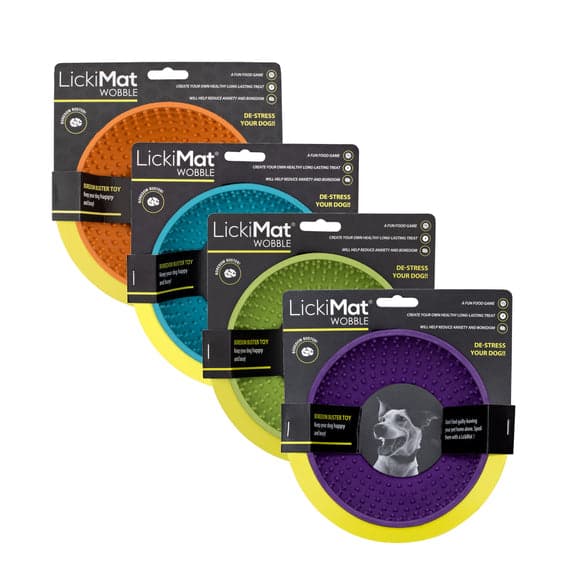
Shop KONGLickiMat
LickiMat Wobble
Slows feeding, reduces anxiety, keeps dogs calm and engaged.
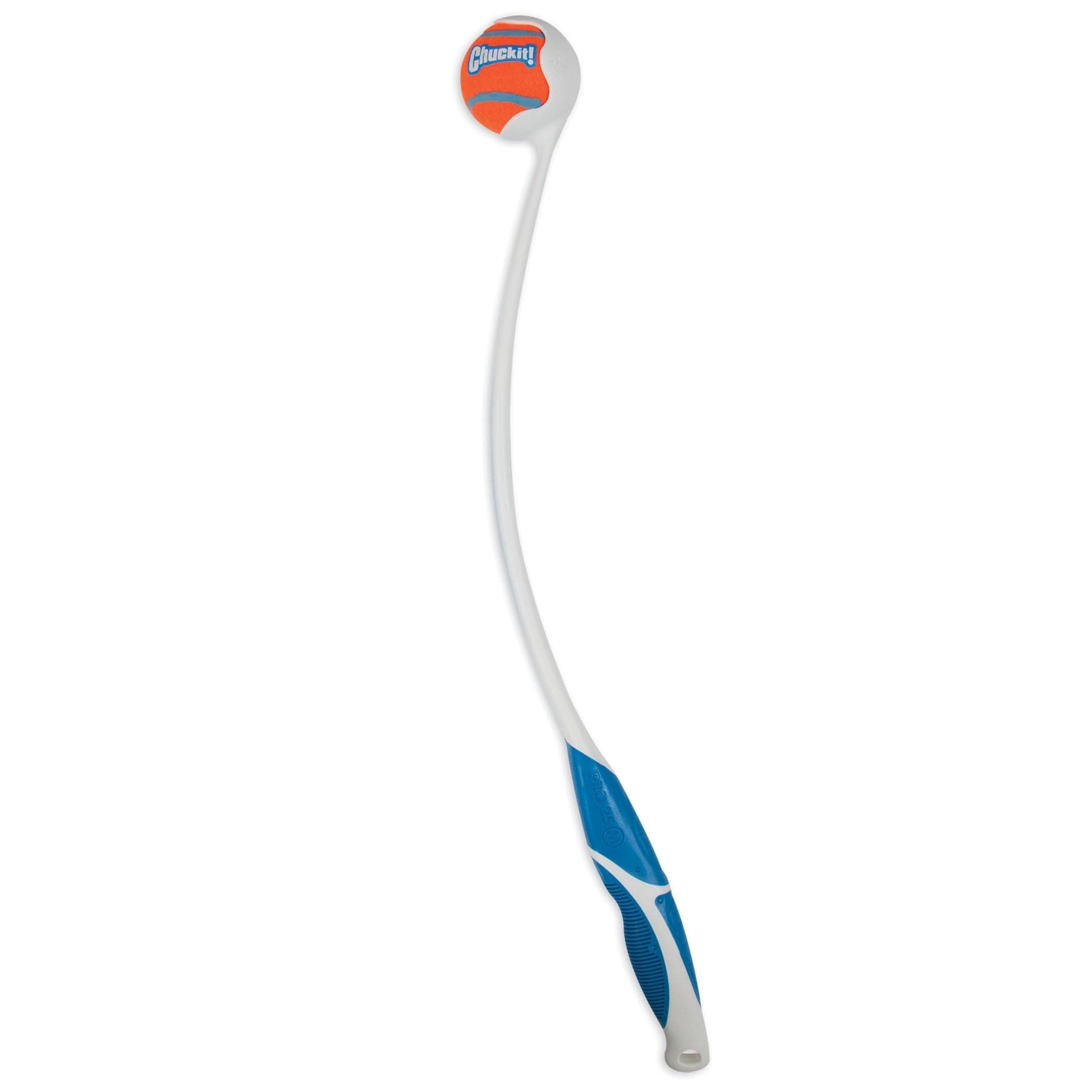
Try LickiMatChuckit
Chuckit! Ball Launcher (Large)
Launch further, throw less. Sport 26L launcher for large dogs.
Shop Chuckit!Nina Ottosson
Nina Ottosson Dog Puzzle
Level 2 puzzle feeder. Engages your dog mentally and slows eating.
Try Nina OttossonTrixie
Shop NowDoggone Good
Shop NowFURminator
FURminator Deshedding Tool (Large, Short Hair)
Reduces shedding by up to 90% for large short-coated dogs.
Shop FURminatorBreed Overview
The Labrador Retriever is the UK's most popular dog year after year, and it's easy to see why. Labs are famously friendly, patient with children, easy to train and adaptable to most lifestyles. Originally bred as working gundogs, they have a strong retrieving instinct, a love of water and a natural desire to please.
In the UK, Labs are commonly kept as family pets, assistance dogs, therapy dogs, working gundogs, search and rescue dogs and active companions for outdoor lifestyles. Their versatility is unmatched. But they are not low maintenance. Labs need plenty of exercise, mental stimulation, consistent training, weight management, regular grooming and a structured routine. A bored or under-exercised Lab can become destructive, mouthy or hyperactive, especially during adolescence.
Temperament & Personality
Labradors are known for their stable, friendly and people-oriented temperament. They are one of the safest and most predictable breeds for families in the UK.
Key traits: affectionate, sociable with people and dogs, highly trainable, food motivated, energetic, playful, patient with children and low aggression.
With children: Labs are famously gentle and tolerant. They are one of the best breeds for families with young children, provided both dog and child are taught appropriate boundaries.
With other dogs: Labs are typically excellent with other dogs. They enjoy group walks, dog-friendly pubs and social environments.
With strangers: Friendly and welcoming. Labs are not natural guard dogs.
Energy levels: High, especially during the first 2–3 years. Adolescence (6–18 months) can be a handful.
Training
Labradors are one of the easiest breeds to train, but they are also one of the easiest to accidentally reinforce bad habits in, because they are clever, opportunistic, food-driven and easily excited.
Training priorities: loose-lead walking (Labs pull, especially young males), recall (generally excellent but distracted by other dogs, water, wildlife and food), impulse control (jumping up, grabbing items, counter surfing), mouthiness (explore the world with their mouths, normal but needs redirection) and settling (teaching a Lab to relax is essential).
Training style that works best: positive reinforcement, short frequent sessions, high-value treats, clear boundaries, early socialisation and consistent routines.
Common mistakes: not enough exercise, overfeeding treats, allowing pulling to become a habit, not teaching calm behaviour and underestimating adolescence.
Good to know
Separation anxiety in Labrador Retrievers
Labrador Retrievers are known for close attachment to their owners. Without early alone-time training, this can develop into separation anxiety.
Read the complete separation anxiety guide →Exercise Needs
Labradors need 1.5–2 hours of exercise per day, including off-lead running, fetch, swimming, scent games and training sessions.
Best UK activities: woodland walks, beach runs, canal paths, country parks, dog-friendly pubs after a long walk and swimming in safe clean water.
Weather considerations: Labs cope well with UK weather, but avoid over-exertion in summer, dry ears thoroughly after swimming and rinse after muddy winter walks.
Health & Vet Costs
Labradors are generally healthy but prone to several common issues.
Most common UK health problems: hip dysplasia, elbow dysplasia, obesity, ear infections, arthritis, cruciate ligament injuries, allergies and eye conditions (PRA, cataracts).
Typical UK vet costs: consultation £40–£70, hip dysplasia surgery £3,000–£7,000, cruciate ligament surgery £2,500–£4,500, ear infection treatment £80–£200, annual boosters £50–£80. Insurance: expect £30–£80 per month depending on cover level.
Weight management: Labs are prone to weight gain. A healthy adult Lab should have a visible waist, ribs that can be felt easily and no belly sag.
Feeding & Nutrition
Labradors are famously food motivated. They will overeat if allowed. Recommended approach: high-quality kibble or mixed diet, 2 meals per day for adults, measured portions, limited treats and no table scraps.
UK food types: complete kibble, cold-pressed food, raw (BARF) and fresh subscription meals.
Foods to avoid: fatty leftovers, cooked bones, grapes and raisins, onions and chocolate.
Optional supplements: joint support, omega-3 and probiotics.
Feeding your Labrador Retriever
How much to feed, which food types suit this breed, and what to avoid.
Grooming & Care
Labradors shed, a lot. Weekly brushing is essential, with daily brushing during shedding seasons (spring and autumn). Also required: regular ear cleaning, nail trimming and occasional baths.
Shedding: heavy twice a year when they "blow coat". A good de-shedding tool is essential.
Costs of Ownership
Upfront costs: puppy £800–£2,000, rescue £200–£350, initial supplies £200–£400.
Monthly costs: food £40–£70, insurance £30–£80, flea and worming treatment £10–£20, treats and toys £10–£20. Total: approximately £80–£150 per month.
Estimated cost breakdown
Estimates based on UK average costs. Actual costs vary by location, vet, and lifestyle.
Owner note
Is your Labrador Retriever insured?
Labrador Retriever insurance typically costs £30–£75 per month depending on age, cover level and where you live. Getting the right policy before your first vet visit is one of the most important decisions you will make as a new owner.
Compare dog insuranceWe may earn a commission if you buy through our links. This never influences our recommendations.
Where to Find a Labrador Retriever in the UK
Whether you are looking for a Labrador Retriever puppy from a responsible breeder or hoping to give a rescue Labrador Retriever a second chance, there are reliable routes to finding the right dog. The most important thing is that you find them through the right channel — one that puts the dog's welfare first.
Finding a Labrador Retriever Puppy
The Kennel Club's Find a Puppy service is the safest starting point for anyone looking for a Labrador Retriever puppy. It connects buyers with breeders who register their litters and allows you to verify parental health test results.
For Labrador Retrievers, the relevant breed club is The Labrador Retriever Club. They maintain a breeder register and can be contacted directly for recommendations.
Before you commit, read our complete guide to finding a puppy responsibly — including the red flags that separate an ethical breeder from a puppy farm.
Read the Puppy Buying GuideRescuing a Labrador Retriever
Labrador Retriever-specific rescue organisations are run by people who know the breed inside out. They assess every dog carefully and match them to homes that genuinely suit their needs. Waiting lists exist but are worth it.
Key Labrador Retriever rescues in the UK include:
- Labrador Retriever Rescue Southern England
- Labrador Retriever Rescue Scotland
- Labrador UK Action Group
Our rescue guide covers the full adoption process in detail.
Find a Rescue DogIs a Labrador Retriever Right for You?
A Labrador is perfect for you if you want a friendly and sociable family dog, a trainable and eager-to-please companion, an active lifestyle and a dog that loves the outdoors.
A Labrador is not ideal if you want a low-energy dog, a guard dog, a dog that sheds minimally or a dog that needs little training.
Why people choose a Labrador Retriever
- Excellent family dog
- Highly trainable and food motivated
- Friendly with children, dogs and strangers
- Versatile — family pet, assistance dog, working gundog
- Adapts well to most UK lifestyles
Frequently Asked Questions
Yes — they are one of the best family breeds in the UK, known for being gentle, patient and tolerant with children of all ages.
1.5 to 2 hours per day, including off-lead running, fetch and mental stimulation. Young Labs need more.
Yes — heavily, especially in spring and autumn. Weekly brushing is essential, daily during moulting seasons.
Yes — they are highly trainable and food motivated. Positive reinforcement works brilliantly.
10 to 14 years on average in the UK.
Around £80 to £150 per month including food, insurance, flea and worm treatment and toys.
Yes — with consistent training and enough daily exercise.
Related Breeds
Cockapoo
Cockapoos are a Cocker Spaniel and Poodle cross and one of the UK's most popular dogs, though they are not KC-recognised...
View breed guide →Cocker Spaniel
Cocker Spaniels are energetic, affectionate gundogs and one of the UK's most popular family breeds. They need around two...
View breed guide →Golden Retriever
Golden Retrievers are intelligent, gentle family dogs and one of the UK's most popular breeds. Approximately 60 per cent...
View breed guide →Related Guides
Find local services for your Labrador Retriever
Search verified UK listings for vets, groomers, trainers and walkers near you.
Upcoming events for Labrador Retriever owners
Championship Show
Darlington Dog Show Society Championship Show 2026
18 to 20 September 2026 · Ripon, North Yorkshire
Companion Show
Paws in the Park — Kent 2026
19 to 20 September 2026 · Maidstone, Kent
Championship Show
Belfast Dog Show Society Championship Show 2026
26 to 27 September 2026 · Lisburn, County Antrim
Festival
DogFest at the Palace 2026
3 to 4 October 2026 · Woodstock, Oxfordshire
Championship Show
South Wales Kennel Association Championship Show 2026
8 to 11 October 2026 · Builth Wells, Powys