Poodle (Miniature)
Complete UK breed guide
Quick answer
Miniature Poodles are highly intelligent, low-shedding small dogs and one of the longest-lived breeds, with a typical lifespan of 14 to 17 years. Key health concerns include Progressive Retinal Atrophy, Legg-Calvé-Perthes disease and epilepsy. Insurance costs £25 to £50 per month. Professional grooming every six to eight weeks is essential.
Quick Facts
- Size
- Small
- Weight
- 12–14 kg
- Lifespan
- 14–17 years
- Breed Group
- Utility
- Exercise
- 45–60 mins/day
- Activity Level
- Moderate
- Grooming
- High
- Monthly Cost
- £100–£160/month
- Temperament
- Intelligent, Affectionate, Eager to please
- Good with Children
- Yes
- Good with Dogs
- Yes
- Good for First Timers
- Yes
- Suits Flats
- Yes
Free care guide
Get the Complete Poodle (Miniature) Care Guide
Feeding, health, grooming, training and costs for your Poodle (Miniature). Free, straight to your inbox.

Getting set up
Getting a Poodle (Miniature)? Here's what you'll need.
Our editors have picked the essentials for Poodle (Miniature) owners.
See the First Dog Kit →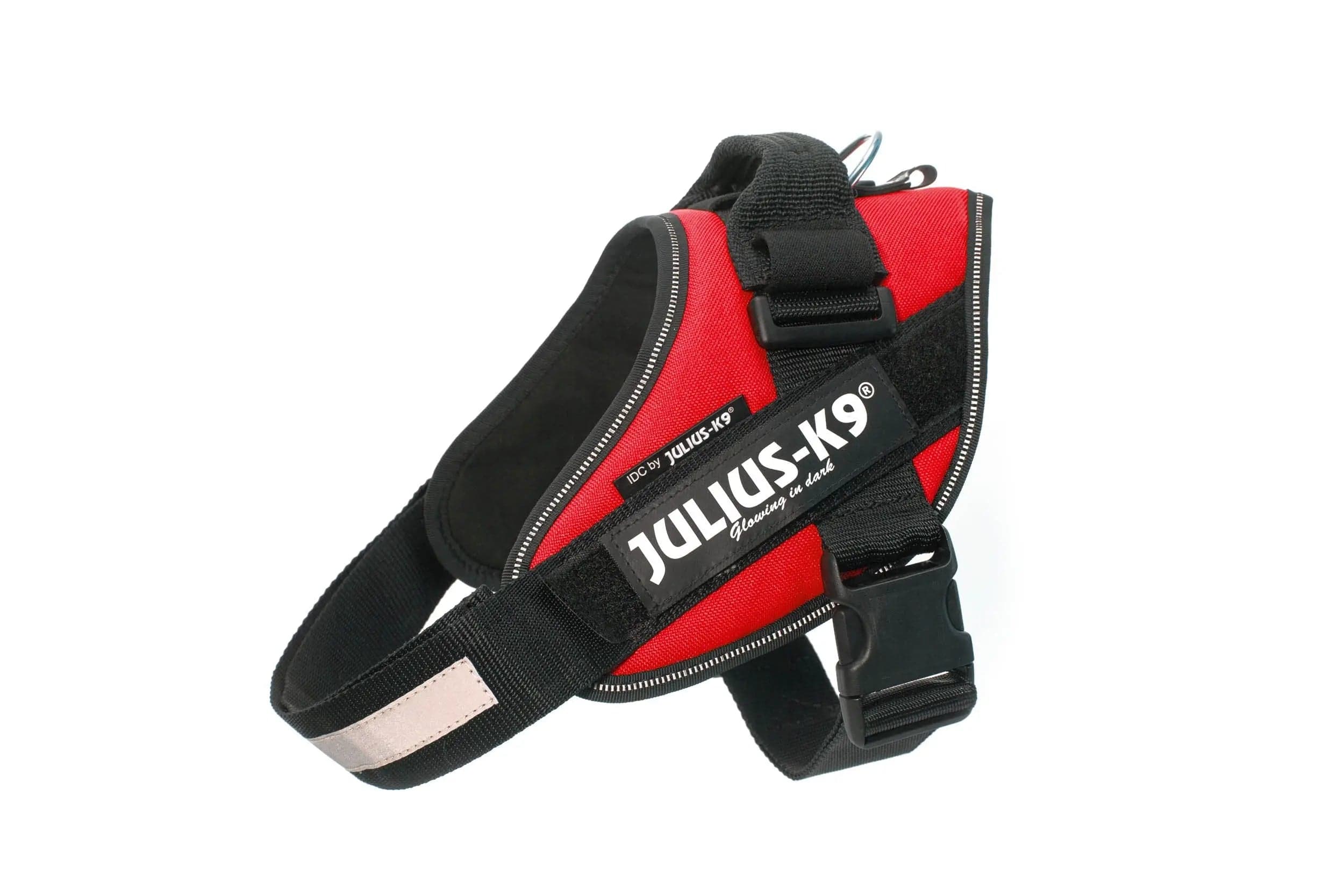
Recommended for Adult Dogs for Poodle (Miniature)s
Products selected for Poodle (Miniature) size, coat type, and life stage. Affiliate disclosure.
PetFusion
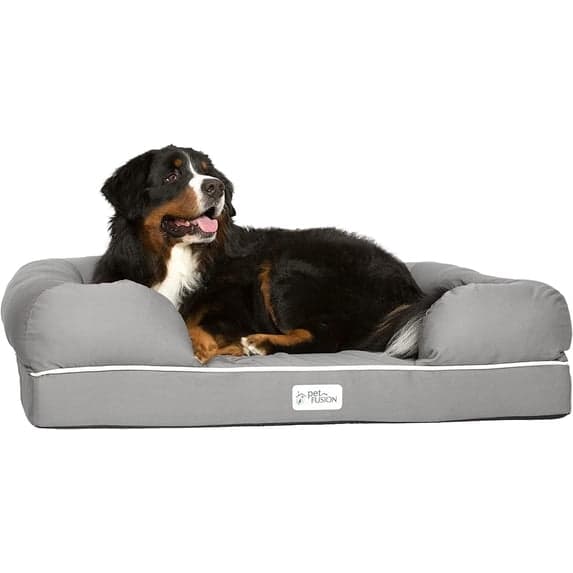
PetFusion Ultimate Dog Bed (Small)
Memory foam orthopedic bed with waterproof cover. Ideal for small and medium dogs.
Shop PetFusionTuffies
Shop NowKurgo
Shop NowWhimzees by Wellness
VOHC-accepted. Plant-based, grain-free. Five sizes. Best all-round dental chew for most dogs.
Buy on AmazonHurtta
Hurtta Mudventure ECO Raincoat (Small)
Reflective, eco-friendly raincoat built for UK weather. Small size.
Shop HurttaHarringtons
The UK's bestselling dry dog food. No artificial colours, flavours or preservatives. Made with natural ingredients including chicken, brown rice and vegetables. Available in multiple sizes.
Shop NowLily's Kitchen
Shop NowBarking Heads
Shop NowAATU Dog and Cat Food
Shop NowRoyal Canin
Royal Canin Breed-Specific Food
Nutrition precision-tailored to your breed.
Shop Royal CaninAnimology
The UK groomer standard for removing fox poo and foul odours. Deep cleaning with built-in conditioner and Pro-Vitamin B5. Suitable for all coats from 6 weeks old.
Shop NowAndis
Shop NowBoshel
Shop NowChris Christensen
Shop NowPets Calm Down
Shop NowRosewood
Shop NowDrontal
Shop NowPitPat
Shop NowJulius-K9
Julius-K9 IDC Powerharness (Small)
Award-winning harness trusted by dog owners worldwide. Small size (7-15kg).
Shop Julius-K9Furbo
Shop NowKONG
KONG Classic (Small)
The classic rubber chew for small dogs and puppies.
Shop KONGLickiMat
LickiMat Wobble
Slows feeding, reduces anxiety, keeps dogs calm and engaged.
Try LickiMatChuckit
Chuckit! Ball Launcher (Small)
Launch further, throw less. Mini launcher for small dogs.
Shop Chuckit!Nina Ottosson
Nina Ottosson Dog Puzzle
Level 2 puzzle feeder. Engages your dog mentally and slows eating.
Try Nina OttossonTrixie
Shop NowDoggone Good
Shop NowFURminator
FURminator Deshedding Tool (Small, Long & Double Coat)
Reduces shedding by up to 90% for small long-coated dogs.
Shop FURminatorBreed Overview
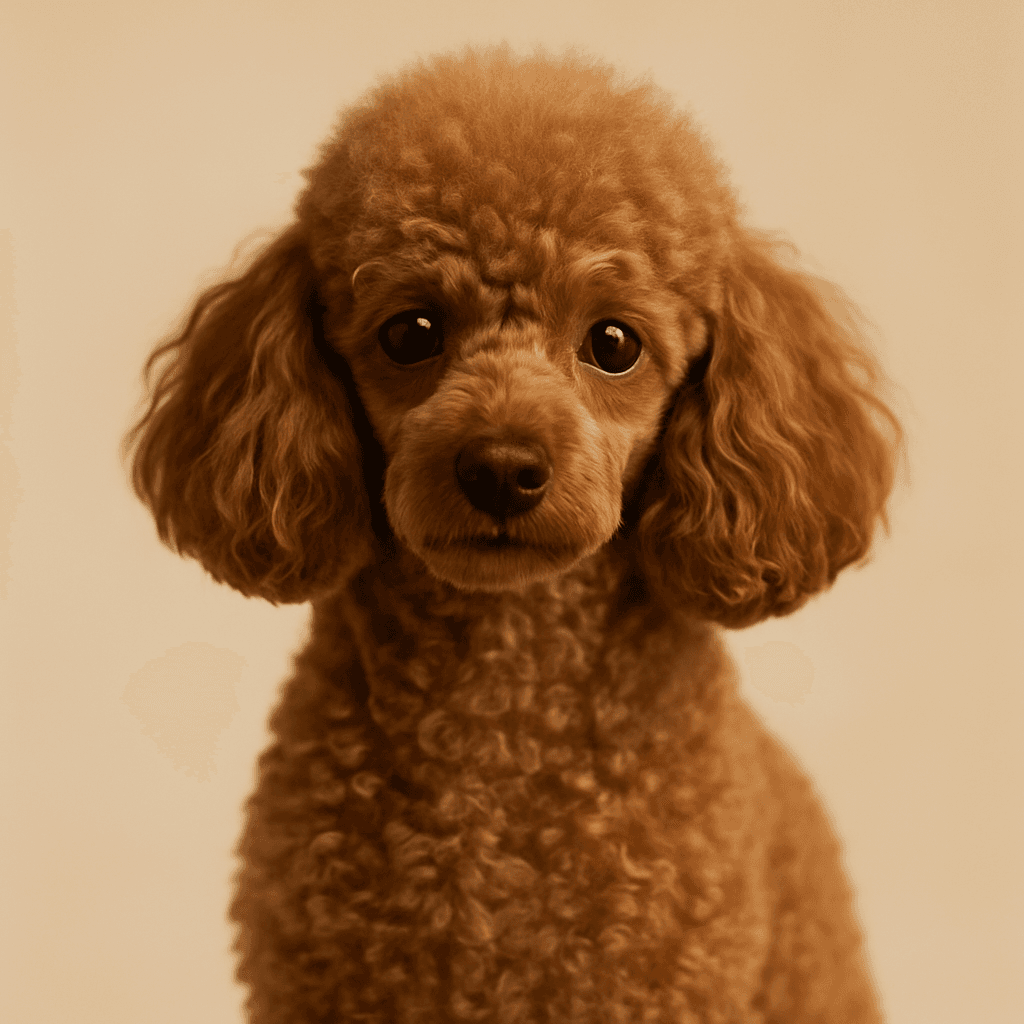
The Miniature Poodle is a smaller version of the Standard Poodle, registered by the Kennel Club in the Utility Group. Standing between 28 and 38cm at the shoulder and typically weighing 6 to 9kg, the Miniature Poodle combines the intelligence and trainability of the Standard Poodle with a size that suits a wider range of living situations, including flats and smaller homes.
The breed is one of the most long-lived of any size: a lifespan of 14 to 17 years is typical for a healthy Miniature Poodle, making it a genuinely long-term commitment that prospective owners must factor carefully into their planning.
Miniature Poodles are active, curious and highly intelligent. They are not content to sit quietly: they engage with the world around them, want to be involved in household activity, and need consistent mental stimulation alongside daily exercise. A bored Miniature Poodle will find its own entertainment, which is rarely what the owner had in mind.
Their low-shedding coat makes them popular with owners who prefer less hair around the house, and the breed is often suggested for people with mild dog allergies. However, no dog is truly hypoallergenic: allergens are present in saliva and dander, not only in shed coat. Miniature Poodles shed far less than many breeds but they are not a zero-allergen option.
Grooming is a genuine commitment. The Poodle coat grows continuously and requires professional grooming every six to eight weeks regardless of clip style. This is a non-negotiable running cost that prospective owners must factor into their budget.
Health-wise, the Miniature Poodle is a generally robust breed with a long lifespan, but several conditions occur at meaningful rates. Progressive Retinal Atrophy (PRA) causes gradual vision loss and a DNA test is available: both parents of any puppy should be tested. Legg-Calvé-Perthes disease affects the femoral head in young small breeds. Epilepsy occurs in some lines. Luxating patella is seen.
Purchase prices from KC-registered, health-tested breeders typically range from £1,000 to £2,000. Monthly insurance costs £25 to £50. Lifespan of 14 to 17 years means total lifetime costs require careful planning.
For owners who want a highly trainable, intelligent and long-lived small breed that adapts well to urban living and participates enthusiastically in training and activity, the Miniature Poodle is an outstanding choice. Commit to the grooming schedule, invest in ongoing training and mental stimulation, and this is one of the most rewarding small breeds available.
Temperament & Personality
Miniature Poodles are lively, affectionate and highly attuned to their people. They are sociable dogs that tend to get on well with children, other dogs and people generally when well socialised. Their intelligence makes them perceptive companions that read their owner's mood and respond to it.
They are active dogs with significant mental engagement needs. A Miniature Poodle that is under-stimulated will become restless, anxious or develop nuisance behaviours. Their intelligence is a double-edged quality: it makes them highly trainable but also means they become bored quickly if not adequately engaged.
They bond closely with their family and tend to be people-oriented rather than independent. This closeness is one of their great qualities but also makes them susceptible to separation anxiety if independence is not built positively from puppyhood. A Miniature Poodle that is never left alone will not cope well when circumstances require it.
They are generally not nuisance barkers but will alert to visitors and changes in their environment. With appropriate training from puppyhood, this can be managed to a level that is not disruptive.
Overall, the Miniature Poodle is a warm, engaging and highly responsive companion that suits active owners who want a small breed with genuine intelligence and trainability.
Training
Miniature Poodles are highly trainable and genuinely enjoy learning. Their intelligence and food motivation make them responsive to positive reinforcement training, and they typically progress quickly through basic obedience to more advanced training if the owner invests in it.
Four priorities for a new Miniature Poodle owner:
- Mental stimulation. This is as important as physical exercise. Puzzle feeders, scent work, trick training and agility classes all provide appropriate mental engagement. A Miniature Poodle that is mentally occupied is a content dog.
- Building independence. Address this from day one. Crate training positively, building alone time gradually, and not reinforcing clingy behaviour prevents separation anxiety from becoming established.
- Socialisation. Thorough positive exposure to people, environments, sounds and other dogs during the 8 to 16 week window. Well-socialised Miniature Poodles are confident and adaptable.
- Ongoing training. Enrol in classes beyond basic puppy training. Miniature Poodles excel in agility, heelwork to music and obedience sports. The breed genuinely benefits from continued structured training throughout its long life.
Common mistakes: Not providing sufficient mental stimulation because the dog is small and manageable. A bored Miniature Poodle is not a content Miniature Poodle, regardless of its size.
Good to know
Exercise Needs
Miniature Poodles need approximately one hour of exercise per day, ideally in two outings. They are more active than many small breeds and benefit from varied, interesting walks and structured off-lead play in secure areas.
They tend to enjoy swimming and are natural retrievers: water-based activities are appropriate and most Miniature Poodles take to them enthusiastically.
Mental exercise through training sessions, puzzle feeders and scent work is equally important. Thirty minutes of focused mental engagement can be as tiring for a Miniature Poodle as an equivalent physical walk.
Exercise should be appropriate for age. Puppies require protected, lower-intensity activity: five minutes per month of age, twice daily. The Miniature Poodle's long lifespan means this investment in protecting growing joints pays dividends across 14 to 17 years.
Health & Vet Costs
Miniature Poodles are a robust breed with exceptional longevity, but several conditions occur at meaningful rates.
Progressive Retinal Atrophy (PRA) causes progressive degeneration of the retina, leading to night blindness and eventually total vision loss. A DNA test is available for the prcd-PRA form seen in Poodles. Both parents of any puppy should be tested. Affected dogs can live well with managed vision loss but breeders should not produce affected puppies when testing is available.
Legg-Calvé-Perthes Disease affects the femoral head (hip joint) in young small breeds, causing degeneration and pain. It typically presents before 12 months as lameness. Surgical treatment is usually successful but costs £1,500 to £3,000.
Epilepsy occurs in some Miniature Poodle lines. Ask breeders specifically about the seizure history in their lines. Epilepsy management involves daily medication and regular monitoring.
Luxating Patella (slipping kneecap) is seen in small breeds. Severity ranges from mild and intermittent to requiring surgical correction.
Addison's Disease occurs at lower rates in Miniature Poodles than in Standard Poodles but should be considered if the dog shows episodic weakness, vomiting or lethargy.
Monthly insurance typically costs £25 to £50. Lifespan is 14 to 17 years. The Miniature Poodle's longevity makes comprehensive, non-time-limited insurance particularly important.
Feeding & Nutrition
Miniature Poodles do well on a high-quality complete small-breed diet. Feed twice daily and monitor body condition: the breed's relatively lean build makes weight changes easy to identify. You should be able to feel the ribs without pressing hard but not see them prominently.
Some Miniature Poodles can develop food sensitivities that present as digestive upset or skin irritation. If this is ongoing, a veterinary nutritionist can advise on an appropriate dietary approach.
Given the long lifespan, appropriate diet management throughout life matters more for this breed than for shorter-lived dogs. Transition to a senior formula at around 8 to 9 years and monitor body condition closely as the dog ages.
Feeding your Poodle (Miniature)
How much to feed, which food types suit this breed, and what to avoid.
Grooming & Care
Miniature Poodles require professional grooming every six to eight weeks. This is a fixed, non-negotiable running cost for the breed. Clip style is a matter of owner preference: the puppy clip, lamb clip or teddy bear clip are all practical options for pet dogs and easier to maintain than show clips. Professional grooming costs typically £40 to £70 per session for a Miniature Poodle.
Between professional grooms, brush at home two to three times per week with a slicker brush and metal comb. Pay particular attention to behind the ears, the armpits and around the collar, where tangles develop most readily. A Miniature Poodle coat that is not brushed between grooms will mat quickly and may need to be clipped very short to resolve.
Ears should be checked and cleaned weekly. The hanging ear flap and often-dense ear canal hair create conditions prone to infection. Nails should be trimmed every three to four weeks. Teeth should be brushed regularly.
Costs of Ownership
Purchase price: A Miniature Poodle puppy from a KC-registered, health-tested breeder (PRA DNA tested) typically costs £1,000 to £2,000 in 2025 to 2026. Rescue rehoming fees range from £100 to £350.
Setup costs: Crate, bedding, harness, bowls, initial vet check, vaccinations, microchip and neutering typically total £400 to £700.
Monthly running costs:
- Food (small breed): £25 to £45
- Insurance (comprehensive lifetime): £25 to £50
- Professional grooming (averaged monthly): £25 to £45
- Routine vet care and parasite prevention: £15 to £25
- Total monthly estimate: £90 to £165
Annual estimate: approximately £1,080 to £1,980, before unexpected vet costs.
Lifetime costs: With a lifespan of 14 to 17 years, total lifetime costs typically range from £16,000 to £30,000 including purchase. The exceptional longevity means lifetime insurance costs are substantial: non-time-limited lifetime policies are essential given the long lifespan.
Estimated cost breakdown
Estimates based on UK average costs. Actual costs vary by location, vet, and lifestyle.
Owner note
Is your Poodle (Miniature) insured?
Poodle (Miniature) insurance typically costs £15–£40 per month depending on age, cover level and where you live. Getting the right policy before your first vet visit is one of the most important decisions you will make as a new owner.
Compare dog insuranceWe may earn a commission if you buy through our links. This never influences our recommendations.
Where to Find a Poodle (Miniature) in the UK
Whether you are looking for a Poodle (Miniature) puppy from a responsible breeder or hoping to give a rescue Poodle (Miniature) a second chance, there are reliable routes to finding the right dog. The most important thing is that you find them through the right channel — one that puts the dog's welfare first.
Finding a Poodle (Miniature) Puppy
The Kennel Club's Find a Puppy service is the safest starting point for anyone looking for a Poodle (Miniature) puppy. It connects buyers with breeders who register their litters and allows you to verify parental health test results.
For Poodle (Miniature)s, the relevant breed club is The Miniature Poodle Club. They maintain a breeder register and can be contacted directly for recommendations.
Before you commit, read our complete guide to finding a puppy responsibly — including the red flags that separate an ethical breeder from a puppy farm.
Read the Puppy Buying GuideRescuing a Poodle (Miniature)
Poodle (Miniature)-specific rescue organisations are run by people who know the breed inside out. They assess every dog carefully and match them to homes that genuinely suit their needs. Waiting lists exist but are worth it.
Key Poodle (Miniature) rescues in the UK include:
Our rescue guide covers the full adoption process in detail.
Find a Rescue DogIs a Poodle (Miniature) Right for You?
Well suited to: owners wanting a highly intelligent, trainable small breed; flat and urban dwellers (Miniature Poodles adapt well to smaller living spaces); families with older children; those who can commit to regular professional grooming; owners who want a long-lived companion and understand what a 14 to 17 year commitment means.
Not suited to: owners expecting low grooming maintenance; those with very limited time for daily exercise and mental stimulation; owners wanting a laid-back, low-energy small breed; budget-constrained buyers who have not factored the lifetime grooming cost into their planning.
The Miniature Poodle is one of the most rewarding small breeds for owners who match its requirements. Its exceptional longevity, intelligence and low-shedding coat make it a compelling choice for the right household. Go in with full awareness of the grooming commitment and the long lifespan, and this is an outstanding companion.
Frequently Asked Questions
Yes, Miniature Poodles make excellent family dogs. They are affectionate, playful, and patient with children, whilst their small size makes them manageable for most households. They thrive on being part of family activities and enjoy interactive play.
Miniature Poodles require around 45-60 minutes of exercise daily. This can include walks, playtime, and mental stimulation through games and training. They are moderately active and adapt well to both urban and rural environments.
No, Miniature Poodles are low shedding dogs, making them a good choice for people with allergies. Their curly coat requires regular grooming every 6-8 weeks to prevent matting and maintain their appearance.
Yes, Miniature Poodles are highly intelligent and eager to please, making them very trainable. They respond well to positive reinforcement and enjoy learning new commands and tricks, which also provides valuable mental stimulation.
Miniature Poodles typically live between 10 and 18 years, with many enjoying long, healthy lives. Proper nutrition, regular exercise, and preventative veterinary care contribute to their longevity.
Monthly costs for a Miniature Poodle typically range from £100 to £160. This covers food, routine veterinary care, grooming, and other essentials. Professional grooming every 6-8 weeks is an important ongoing expense due to their high-maintenance coat.
Yes, Miniature Poodles are excellent for first-time dog owners. Their intelligence, trainability, and affectionate nature make them relatively easy to manage, though their grooming requirements do require commitment or regular professional care.
Related Breeds
Bichon Frise
The Bichon Frise is a cheerful, sociable small breed with a low-shedding curly coat requiring regular professional groom...
View breed guide →Cavapoo
Cavapoos are a Cavalier King Charles Spaniel and Poodle cross and one of the UK's most popular dogs, though not KC-recog...
View breed guide →Cockapoo
Cockapoos are a Cocker Spaniel and Poodle cross and one of the UK's most popular dogs, though they are not KC-recognised...
View breed guide →Related Guides
Find local services for your Poodle (Miniature)
Search verified UK listings for vets, groomers, trainers and walkers near you.
Upcoming events for Poodle (Miniature) owners
Championship Show
Darlington Dog Show Society Championship Show 2026
18 to 20 September 2026 · Ripon, North Yorkshire
Companion Show
Paws in the Park — Kent 2026
19 to 20 September 2026 · Maidstone, Kent
Championship Show
Belfast Dog Show Society Championship Show 2026
26 to 27 September 2026 · Lisburn, County Antrim
Festival
DogFest at the Palace 2026
3 to 4 October 2026 · Woodstock, Oxfordshire
Championship Show
South Wales Kennel Association Championship Show 2026
8 to 11 October 2026 · Builth Wells, Powys