

Cockapoo
Complete UK breed guide

Quick answer
Cockapoos are a Cocker Spaniel and Poodle cross and one of the UK's most popular dogs, though they are not KC-recognised. No Cockapoo is truly hypoallergenic. They need one to two hours of exercise daily and professional grooming every six to eight weeks. Expect monthly costs of £115 to £200, with a lifespan of 12 to 15 years.
Quick Facts
- Size
- Small
- Weight
- 5–12 kg
- Lifespan
- 12–15 years
- Exercise
- 60–90 mins/day
- Activity Level
- High
- Grooming
- High
- Monthly Cost
- £70–£130/month
- Temperament
- Affectionate, Energetic, Intelligent
- Good with Children
- Yes
- Good with Dogs
- Yes
- Good for First Timers
- Yes
- Suits Flats
- Yes
Free care guide
Get the Complete Cockapoo Care Guide
Feeding, health, grooming, training and costs for your Cockapoo. Free, straight to your inbox.
Getting set up
Getting a Cockapoo? Here's what you'll need.
Our editors have picked the essentials for Cockapoo owners.
See the Active Dog Kit →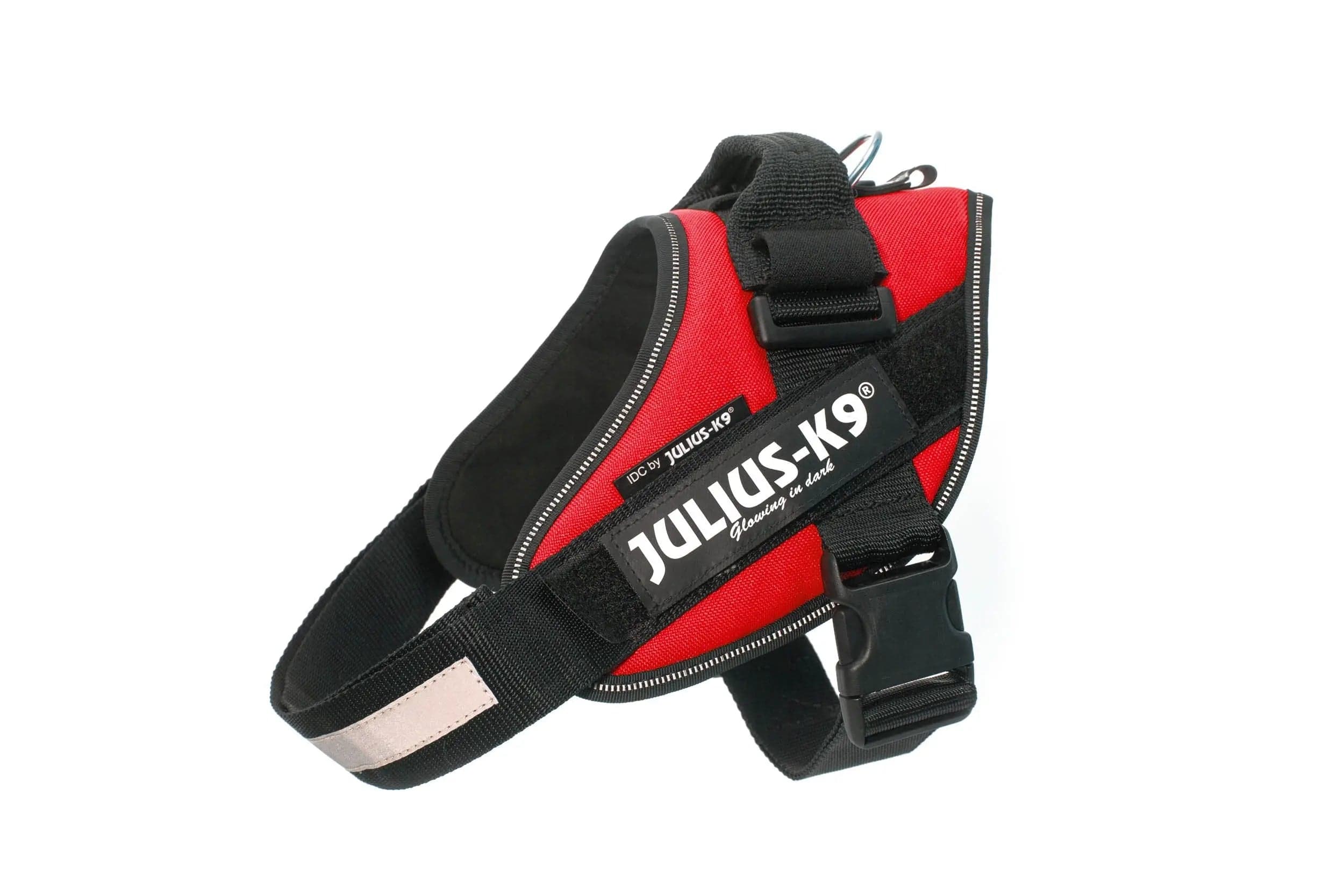
Everything you need for a Cockapoo
Harnesses, grooming, food and more, all chosen specifically for Cockapoo owners.
See the guidePros & Cons
Pros
- Friendly and affectionate family dog
- Low-shedding coat — better for mild allergy sufferers
- Highly intelligent and easy to train
- Sociable with children, dogs and strangers
- Good for active urban and suburban households
Things to Consider
- High grooming costs — professional groom every 6 to 8 weeks
- Prone to separation anxiety
- Needs daily exercise and mental stimulation
- Health can vary depending on parent breeds
- Not guaranteed hypoallergenic
Recommended for Adult Dogs for Cockapoos
Products selected for Cockapoo size, coat type, and life stage. Affiliate disclosure.
PetFusion
PetFusion Ultimate Dog Bed (Small)
Memory foam orthopedic bed with waterproof cover. Ideal for small and medium dogs.
Shop PetFusionTuffies
Shop NowKurgo
Shop NowWhimzees by Wellness
VOHC-accepted. Plant-based, grain-free. Five sizes. Best all-round dental chew for most dogs.
Buy on AmazonHurtta
Hurtta Mudventure ECO Raincoat (Small)
Reflective, eco-friendly raincoat built for UK weather. Small size.
Shop HurttaHarringtons
The UK's bestselling dry dog food. No artificial colours, flavours or preservatives. Made with natural ingredients including chicken, brown rice and vegetables. Available in multiple sizes.
Shop NowLily's Kitchen
Shop NowBarking Heads
Shop NowAATU Dog and Cat Food
Shop NowRoyal Canin
Royal Canin Breed-Specific Food
Nutrition precision-tailored to your breed.
Shop Royal CaninAnimology
The UK groomer standard for removing fox poo and foul odours. Deep cleaning with built-in conditioner and Pro-Vitamin B5. Suitable for all coats from 6 weeks old.
Shop NowAndis
Shop NowBoshel
Shop NowChris Christensen
Shop NowPets Calm Down
Shop NowRosewood
Shop NowDrontal
Shop NowPitPat
Shop NowJulius-K9
Julius-K9 IDC Powerharness (Small)
Award-winning harness trusted by dog owners worldwide. Small size (7-15kg).
Shop Julius-K9Furbo
Shop NowKONG
KONG Classic (Small)
The classic rubber chew for small dogs and puppies.
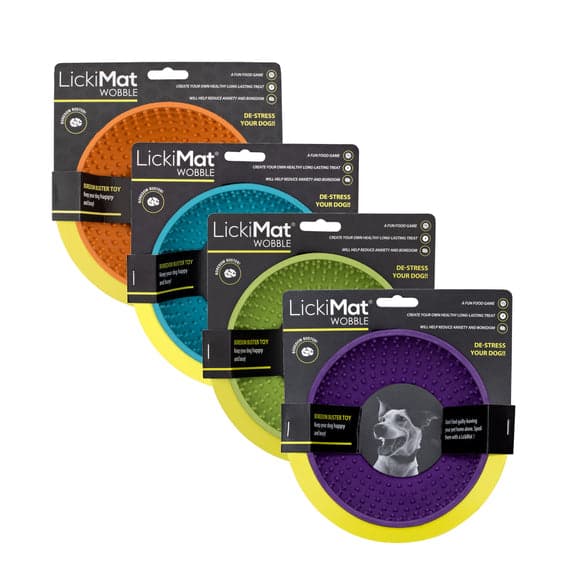
Shop KONGLickiMat
LickiMat Wobble
Slows feeding, reduces anxiety, keeps dogs calm and engaged.
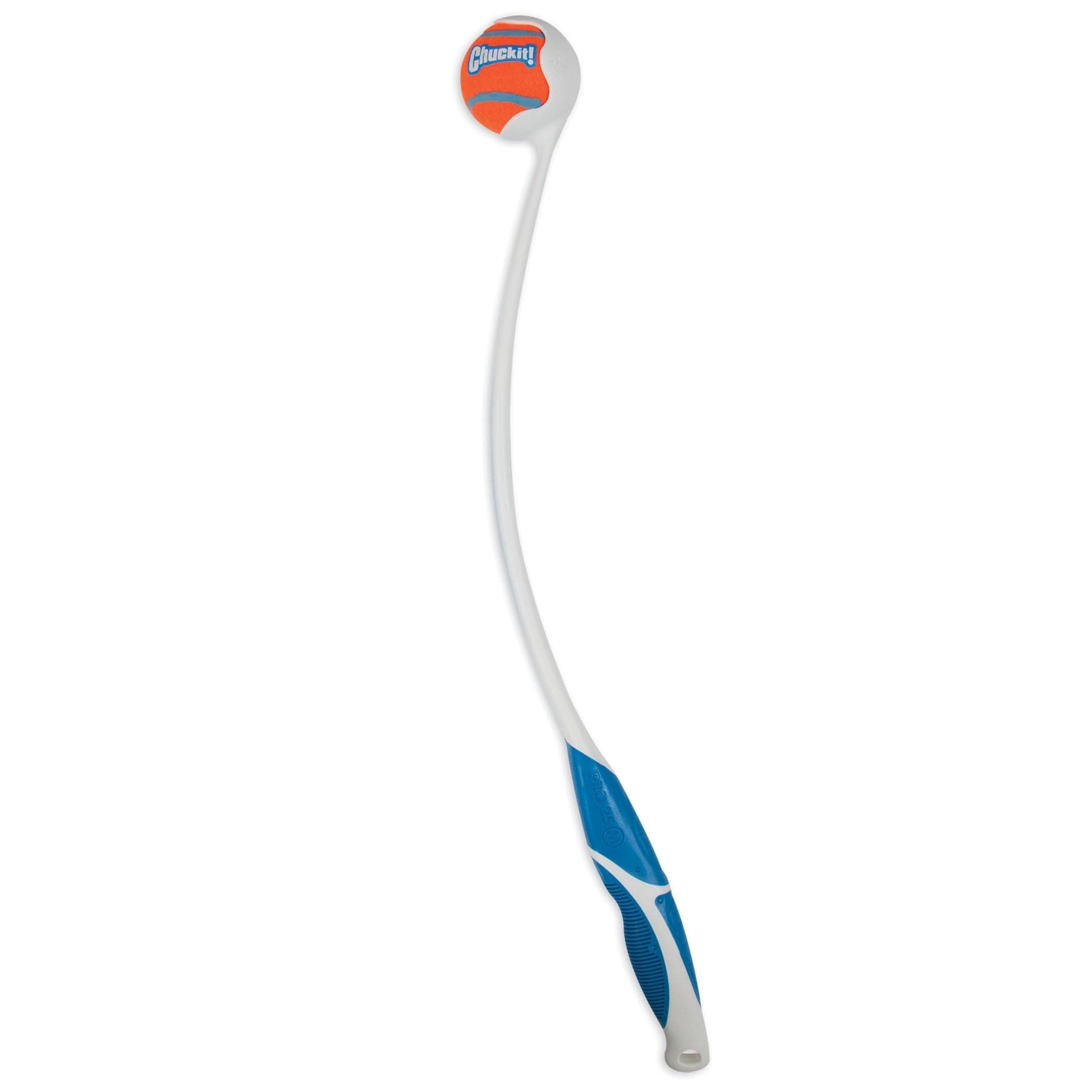
Try LickiMatChuckit
Chuckit! Ball Launcher (Small)
Launch further, throw less. Mini launcher for small dogs.
Shop Chuckit!Nina Ottosson
Nina Ottosson Dog Puzzle
Level 2 puzzle feeder. Engages your dog mentally and slows eating.
Try Nina OttossonTrixie
Shop NowDoggone Good
Shop NowFURminator
FURminator Deshedding Tool (Small, Long & Double Coat)
Reduces shedding by up to 90% for small long-coated dogs.
Shop FURminatorBreed Overview
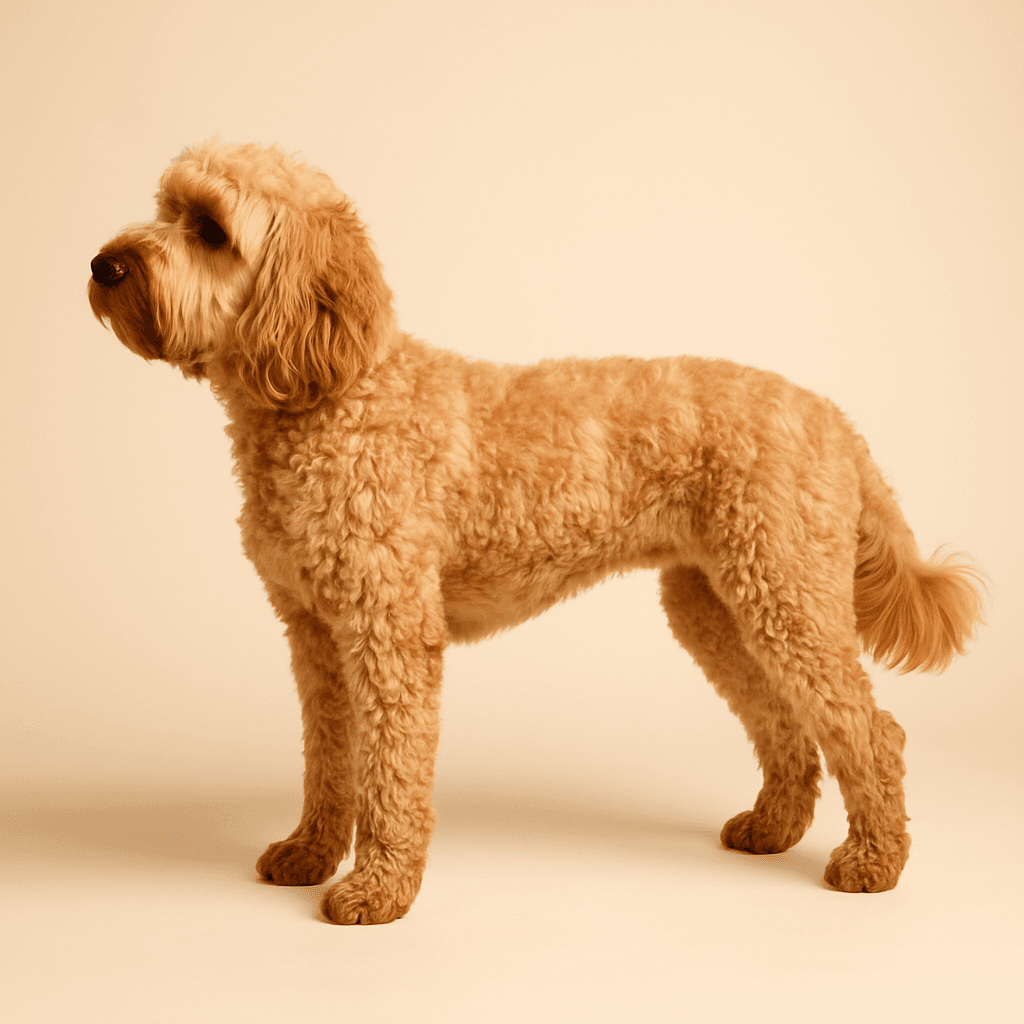
The Cockapoo is a cross between a Cocker Spaniel and a Poodle and has become one of the most popular dogs in the UK over the past two decades. It is not a Kennel Club recognised breed and is not eligible for KC registration: any claim to the contrary should be treated with scepticism. What the Cockapoo is, at its best, is an intelligent, affectionate and adaptable companion dog that combines the Cocker Spaniel's warmth and sociability with the Poodle's trainability and lower-shedding coat.
Understanding generation matters when choosing a Cockapoo. An F1 dog is a first-generation cross: 50 per cent Cocker Spaniel and 50 per cent Poodle. An F1b is a backcross: an F1 Cockapoo bred back to a Poodle, producing a dog that is 75 per cent Poodle and typically lower-shedding. An F2 is a cross between two F1 Cockapoos. Coat type and shedding level are significantly influenced by generation: F1b dogs tend to have wavier or curlier coats that shed less, while F1 dogs can have a wider range of coat types.
No Cockapoo is truly hypoallergenic. This claim is widely made by breeders and is misleading. Allergens are present in dog dander and saliva, not only in coat, and no breed or cross can be guaranteed not to trigger allergies. Lower-shedding Cockapoos may suit some allergy sufferers better, but this is not guaranteed: anyone with significant dog allergies should spend time with the specific dog before committing. Read our full guide to F1, F2 and F1b generations explained and are doodles and crossbreeds really hypoallergenic? for more detail.
Cockapoos inherit health conditions from both parent breeds. Progressive Retinal Atrophy (PRA) is a concern from the Cocker Spaniel side; hip dysplasia and Progressive Retinal Atrophy can come from the Poodle side; and ear infections are common in both parents. Reputable Cockapoo breeders should health test both parents for conditions relevant to their breed. This is a meaningful point of difference between responsible and irresponsible breeders in what remains a largely unregulated market.
Size varies depending on whether the Poodle parent is a Toy or Miniature: Toy Cockapoos are smaller (under 5kg), Miniature Cockapoos are medium-sized (up to 10kg). Both are adaptable to a range of living environments when their exercise needs are met.
Purchase prices for Cockapoos are among the highest for any dog in the UK, typically ranging from £1,500 to £3,500. The combination of high demand and an unregulated breeding market means puppy farming and low-welfare breeding are significant problems in this cross: due diligence is essential.
Temperament & Personality
At their best, Cockapoos are sociable, playful, affectionate dogs that are genuinely adaptable to a wide range of households. They tend to be friendly with people, good with children, and sociable with other dogs. The Poodle's intelligence combines with the Cocker Spaniel's eagerness to please to produce a dog that is generally a pleasure to train.
However, temperament in any crossbreed is less predictable than in pedigrees, as individual puppies can lean more toward one parent breed's character. A Cockapoo with strong Cocker Spaniel traits will be energetic, scent-driven and very sociable. One with stronger Poodle traits may be more alert and potentially more sensitive. Both are manageable with appropriate training and socialisation, but prospective owners should be prepared for some variation.
Cockapoos are companion dogs that form strong attachments to their families. They do not do well in isolation: dogs left alone for long periods frequently develop separation anxiety, which can manifest as excessive barking, destructive behaviour or house soiling. This is one of the most commonly cited reasons for Cockapoos entering rescue.
Early socialisation is as important for Cockapoos as for any breed. Thorough exposure to different people, environments, sounds and animals during the puppy window builds confidence and prevents the anxiety-based behaviours that can emerge in under-socialised dogs of this type.
Properly socialised and trained Cockapoos are generally reliable, warm-natured dogs that make excellent companions for families, couples and individuals alike. They tend to retain their playful energy well into adulthood.
Training
Cockapoos are generally among the easier crossbreeds to train. The Poodle's intelligence and the Cocker Spaniel's eagerness to please combine to produce a dog that picks up new skills readily and responds well to positive reinforcement. Short, consistent, reward-based training sessions from an early age produce reliably good results.
Four priorities for a new Cockapoo owner:
- Recall. The Cocker Spaniel heritage means Cockapoos can be scent-driven and absorbed by environmental stimulation. Build a reliable recall with high-value food rewards in low-distraction settings before extending off-lead freedom.
- Separation tolerance. This is the most important thing to work on with a Cockapoo puppy. Build short, positive periods of separation from day one. Use a crate or a puppy-proofed room and ensure the dog is calm before you leave and when you return. Cockapoos that are never left alone become dogs that cannot be left alone.
- Socialisation. Wide exposure to people, environments, dogs and sounds during the 8 to 16 week window builds the confidence that prevents anxiety-based reactivity.
- Grooming desensitisation. Cockapoos require regular professional grooming. Handling the puppy's ears, paws and mouth from the start, and introducing them positively to brushing and professional grooming, prevents grooming from becoming a stressful event.
Common mistakes: Allowing a Cockapoo to sleep on beds and be carried constantly from puppyhood is a common pattern that contributes to separation anxiety. A dog that is never apart from its owner, and never required to settle independently, is not being shown kindness: it is being set up for genuine distress when separation is unavoidable.
Good to know
Separation anxiety in Cockapoos
Cockapoos are known for close attachment to their owners. Without early alone-time training, this can develop into separation anxiety.
Read the complete separation anxiety guide →Exercise Needs
Cockapoos need between one and two hours of exercise per day, depending on size and individual energy level. Toy Cockapoos typically need slightly less than Miniature Cockapoos; working-bred Cocker Spaniel crosses may need more.
Exercise should include both physical activity and mental engagement. Off-lead running in a safe area, retrieve games, and scent work all provide the stimulation this intelligent cross requires. A Cockapoo that is walked but not mentally engaged will find its own entertainment, usually something its owner would prefer it did not.
Most Cockapoos enjoy water and are willing swimmers. They tend to be adaptable to a range of environments and living situations when their exercise needs are consistently met.
Puppies should follow the standard guideline of five minutes per month of age, twice daily, to protect developing joints. Free play in a safe space supplements formal walks appropriately at this stage.
Health & Vet Costs
Cockapoos inherit potential health conditions from both parent breeds. Responsible breeders should health test both the Cocker Spaniel and Poodle parents for relevant conditions before breeding: ask to see test results.
Progressive Retinal Atrophy (PRA) is the most important hereditary health risk from the Cocker Spaniel parent. PRA causes gradual deterioration of the retina and eventually blindness. A DNA test is available for the form most common in Cocker Spaniels (gPRA): the Cocker Spaniel parent should be tested and confirmed DNA clear. PRA can also occur in Poodles: responsible breeders test the Poodle parent too.
Hip dysplasia can be inherited from both parent breeds. The Cocker Spaniel and Poodle both have KC/BVA Hip Scoring schemes: responsible breeders should have both parents hip scored and should be able to provide these results.
Ear infections are common in Cockapoos. They inherit the hanging ear flap from the Cocker Spaniel side and the dense, curly-coated ear canal from the Poodle side, creating an environment particularly prone to moisture retention and infection. Regular ear cleaning and checking is essential. Treatment costs £80 to £200 per episode.
Mitral Valve Disease (MVD) is a concern from the Cocker Spaniel side. While more specifically associated with the Cavalier King Charles Spaniel, MVD does occur in Cocker Spaniels and can be passed to crossbred offspring. Cardiac screening of the Cocker Spaniel parent is advisable.
Familial Nephropathy (FN), specific to the English Cocker Spaniel, can also be inherited. The Cocker Spaniel parent should be DNA tested and clear.
Monthly insurance for a Cockapoo typically costs £40 to £70 for comprehensive lifetime cover. Typical lifespan is 12 to 15 years.
Feeding & Nutrition
Cockapoos do well on a complete, high-quality food appropriate for their size. Toy Cockapoos need a food formulated for small dogs; Miniature Cockapoos can usually be fed a small to medium breed formula. Follow the manufacturer's feeding guidelines and adjust based on your dog's body condition and activity level.
Both parent breeds are prone to weight gain, and Cockapoos share this tendency. Measured meals are preferable to free-feeding. Treats should be counted within the daily calorie allowance.
Some Cockapoos have sensitive digestion, particularly if they have inherited this from the Cocker Spaniel side. If your dog shows persistent digestive upset or signs of food sensitivity such as skin irritation or loose stools, a vet or veterinary nutritionist can advise on the most suitable diet. Fresh water should always be available.
Feeding your Cockapoo
How much to feed, which food types suit this breed, and what to avoid.
Grooming & Care
Cockapoos require regular professional grooming: typically every six to eight weeks. The coat type varies by individual dog and generation, ranging from wavy to curly, and all types require active maintenance to prevent matting.
Brush at home two to three times per week with a slicker brush and metal comb. Pay particular attention to behind the ears, the armpits, and around the collar, where tangles develop most readily. A dog that is not brushed regularly between professional grooms will quickly develop matting, which causes discomfort and often requires the coat to be clipped very short to resolve.
Ear care is particularly important for Cockapoos. They inherit the hanging ear flap from the Cocker side and sometimes a dense, hairy ear canal from the Poodle side, making them prone to ear infections. Check and clean ears weekly with a veterinary ear cleaner. The hair inside the ear canal may need to be professionally managed by your groomer.
Professional grooming costs typically range from £45 to £80 per session depending on coat length and condition. Nails should be trimmed every three to four weeks and teeth brushed regularly with dog-safe toothpaste.
Costs of Ownership
Purchase price: Cockapoos are among the most expensive dogs to buy in the UK. Prices from reputable breeders who health test both parents typically range from £1,500 to £3,500, with F1b and particularly popular colour combinations sometimes exceeding this. Rescue rehoming fees range from £100 to £350.
Setup costs: Crate, bedding, harness, bowls, initial vet check, vaccinations, microchip and neutering typically total £400 to £700.
Monthly running costs:
- Food: £30 to £55
- Insurance (comprehensive lifetime): £40 to £70
- Professional grooming (averaged monthly): £25 to £45
- Routine vet care and parasite prevention: £20 to £30
- Total monthly estimate: £115 to £200
Annual estimate: approximately £1,380 to £2,400, before unexpected vet costs.
Lifetime costs: With a lifespan of 12 to 15 years, total lifetime ownership costs typically range from £17,000 to £36,000 including purchase. Dogs with hereditary health conditions from either parent breed will cost more. The purchase price of a Cockapoo is among the highest of any dog in the UK: ensure the breeder's health testing credentials justify it.
Estimated cost breakdown
Estimates based on UK average costs. Actual costs vary by location, vet, and lifestyle.
Owner note
Is your Cockapoo insured?
Cockapoo insurance typically costs £15–£40 per month depending on age, cover level and where you live. Getting the right policy before your first vet visit is one of the most important decisions you will make as a new owner.
Compare dog insuranceWe may earn a commission if you buy through our links. This never influences our recommendations.
Where to Find a Cockapoo in the UK
Whether you are looking for a Cockapoo puppy from a responsible breeder or hoping to give a rescue Cockapoo a second chance, there are reliable routes to finding the right dog. The most important thing is that you find them through the right channel — one that puts the dog's welfare first.
Finding a Cockapoo Puppy
The Kennel Club's Find a Puppy service is the safest starting point for anyone looking for a Cockapoo puppy. It connects buyers with breeders who register their litters and allows you to verify parental health test results.
The Cockapoo breed club maintains a breeder register and can be contacted via the Kennel Club website for recommendations.
Before you commit, read our complete guide to finding a puppy responsibly — including the red flags that separate an ethical breeder from a puppy farm.
Read the Puppy Buying GuideRescuing a Cockapoo
Cockapoo-specific rescue organisations are run by people who know the breed inside out. They assess every dog carefully and match them to homes that genuinely suit their needs. Waiting lists exist but are worth it.
Key Cockapoo rescues in the UK include:
Our rescue guide covers the full adoption process in detail.
Find a Rescue DogIs a Cockapoo Right for You?
Well suited to: active families with children; individuals or couples who work from home or have flexible schedules; owners wanting an adaptable, trainable companion; those willing to commit to regular professional grooming; first-time dog owners who have researched both parent breeds and chosen a health-tested puppy.
Not suited to: owners who are away from home for long periods daily (separation anxiety is a documented and serious issue in the cross); those unwilling to invest in regular professional grooming; buyers who believe the hypoallergenic marketing without spending time with the specific dog first.
Flat suitability: possible with a Toy or Miniature Cockapoo if the owner is committed to daily exercise and off-lead time in a suitable area.
The Cockapoo's popularity has made it a target for puppy farming and low-welfare breeding. The single most important piece of advice for a prospective Cockapoo owner is to research the breeder thoroughly: ask to see health test certificates for both parents, visit the puppy with its mother, and walk away from any situation that does not meet these standards.
Why people choose a Cockapoo
- Friendly and affectionate family dog
- Low-shedding coat — better for mild allergy sufferers
- Highly intelligent and easy to train
- Sociable with children, dogs and strangers
- Good for active urban and suburban households
Frequently Asked Questions
Yes — they are friendly, playful and gentle, making them one of the UK's top family crossbreeds.
1 to 1.5 hours per day including off-lead running, fetch and training sessions.
Low to moderate depending on coat type — but not guaranteed hypoallergenic.
Yes — they inherit intelligence from both parent breeds and are eager to please.
12 to 16 years on average — one of the longer-lived crossbreeds.
Around £70 to £130, including the cost of professional grooming every 6 to 8 weeks.
Yes — with awareness of their grooming needs and tendency toward separation anxiety.
Related Breeds
Cocker Spaniel
Cocker Spaniels are energetic, affectionate gundogs and one of the UK's most popular family breeds. They need around two...
View breed guide →Labradoodle
The Labradoodle is a Labrador and Poodle cross and one of the UK's most popular dogs, though not KC-recognised. No Labra...
View breed guide →Labrador Retriever
The Labrador Retriever is a friendly, intelligent and highly trainable dog that makes an excellent family pet in the UK....
View breed guide →Related Guides
Find local services for your Cockapoo
Search verified UK listings for vets, groomers, trainers and walkers near you.
Upcoming events for Cockapoo owners
Championship Show
Darlington Dog Show Society Championship Show 2026
18 to 20 September 2026 · Ripon, North Yorkshire
Companion Show
Paws in the Park — Kent 2026
19 to 20 September 2026 · Maidstone, Kent
Championship Show
Belfast Dog Show Society Championship Show 2026
26 to 27 September 2026 · Lisburn, County Antrim
Festival
DogFest at the Palace 2026
3 to 4 October 2026 · Woodstock, Oxfordshire
Championship Show
South Wales Kennel Association Championship Show 2026
8 to 11 October 2026 · Builth Wells, Powys