Springador
Complete UK breed guide

Quick answer
The Springador is an English Springer Spaniel and Labrador Retriever cross: a large, energetic, highly trainable dog built for two hours of daily exercise. Unlike most crossbreeds on this hub it is not a doodle and has no Poodle in the mix, so it sheds year-round and is not a low-shedding option. Health test both parents for hip and elbow dysplasia before buying.
Quick Facts
- Size
- Large
- Weight
- 23–41 kg
- Lifespan
- 10–14 years
- Exercise
- 120–150 mins/day
- Activity Level
- very high
- Grooming
- Moderate
- Monthly Cost
- £70–£115/month
- Temperament
- Friendly, Affectionate, Energetic
- Good with Children
- Yes
- Good with Dogs
- Yes
- Good for First Timers
- No
- Suits Flats
- No
Free care guide
Get the Complete Springador Care Guide
Feeding, health, grooming, training and costs for your Springador. Free, straight to your inbox.
Getting set up
Getting a Springador? Here's what you'll need.
Our editors have picked the essentials for Springador owners.
See the First Dog Kit →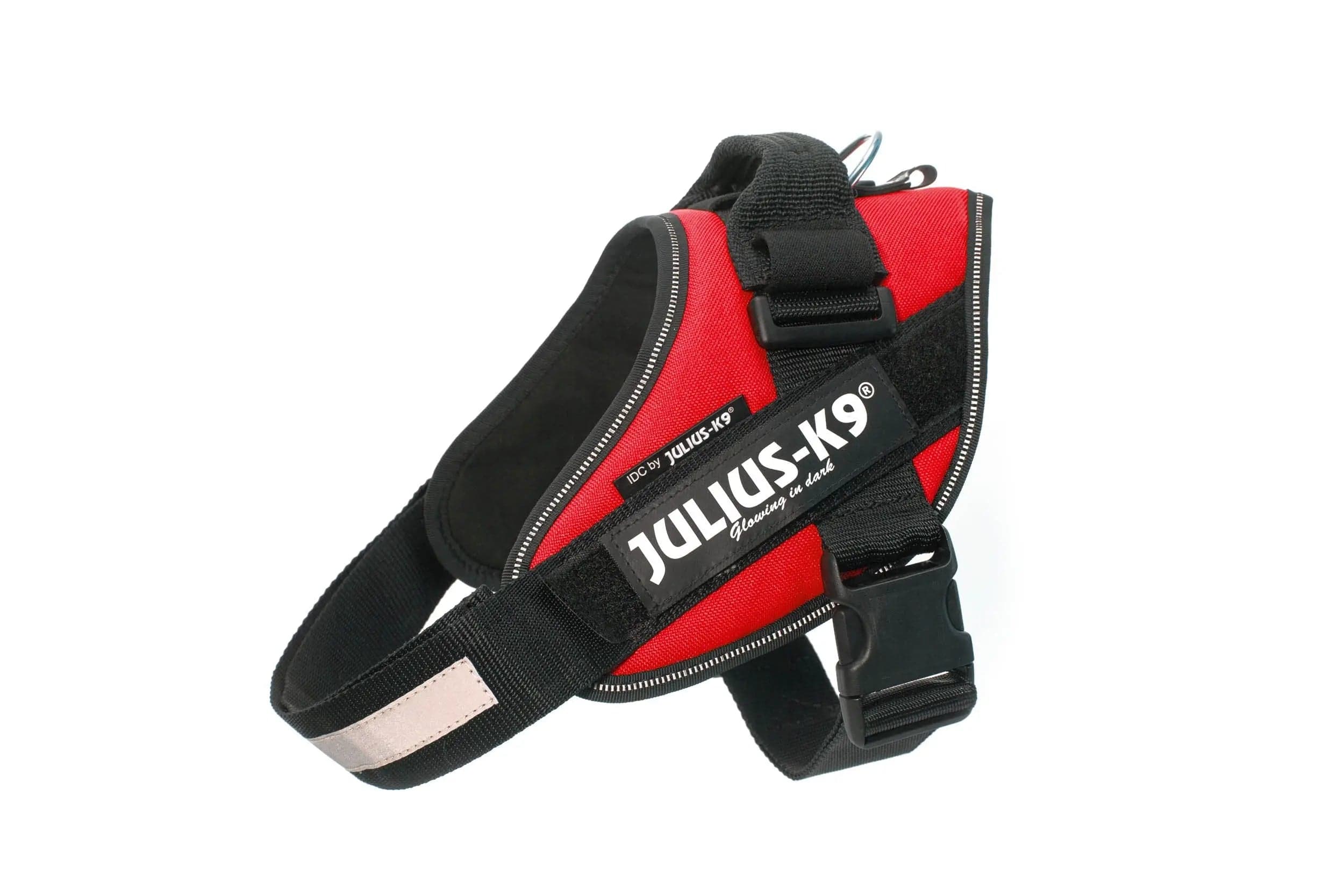
Recommended for Adult Dogs for Springadors
Products selected for Springador size, coat type, and life stage. Affiliate disclosure.
PetFusion
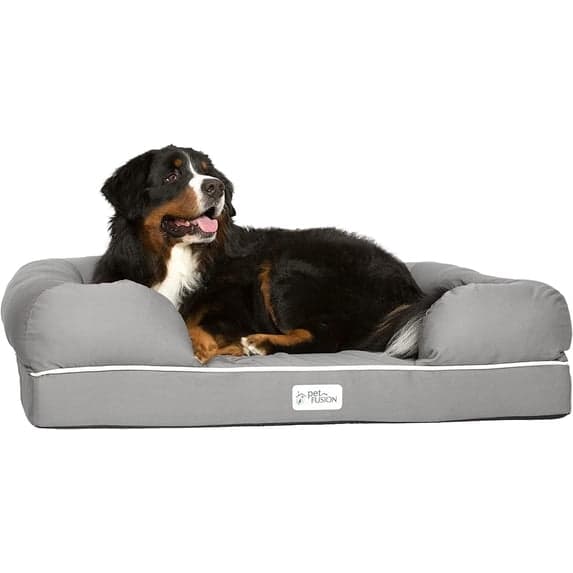
PetFusion Ultimate Dog Bed (Large)
Memory foam orthopedic bed with waterproof cover. Ideal for large breeds.
Shop PetFusionTuffies
Shop NowKurgo
Shop NowProDen PlaqueOff
VOHC-accepted. Seaweed-based dental bone with multiple flavours. From the makers of PlaqueOff Powder.
Buy on AmazonHurtta
Hurtta Mudventure ECO Raincoat (Large)
Reflective, eco-friendly raincoat built for UK weather. Large size.
Shop HurttaBarking Heads
Shop NowRoyal Canin
Royal Canin Breed-Specific Food
Nutrition precision-tailored to your breed.
Shop Royal CaninAATU Dog and Cat Food
Shop NowLily's Kitchen
Shop NowHarringtons
The UK's bestselling dry dog food. No artificial colours, flavours or preservatives. Made with natural ingredients including chicken, brown rice and vegetables. Available in multiple sizes.
Shop NowAnimology
The UK groomer standard for removing fox poo and foul odours. Deep cleaning with built-in conditioner and Pro-Vitamin B5. Suitable for all coats from 6 weeks old.
Shop NowChris Christensen
Shop NowBoshel
Shop NowRosewood
Shop NowDrontal
Shop NowPets Calm Down
Shop NowJulius-K9
Julius-K9 IDC Powerharness (Large)
Award-winning harness trusted by dog owners worldwide. Large size (23-30kg).
Shop Julius-K9PitPat
Shop NowFurbo
Shop NowNina Ottosson
Nina Ottosson Dog Puzzle
Level 2 puzzle feeder. Engages your dog mentally and slows eating.
Try Nina OttossonLickiMat
LickiMat Wobble
Slows feeding, reduces anxiety, keeps dogs calm and engaged.
Try LickiMatKONG
KONG Classic (Large)
The classic rubber chew for large and giant breeds.
Shop KONGChuckit
Chuckit! Ball Launcher (Large)
Launch further, throw less. Sport 26L launcher for large dogs.
Shop Chuckit!Trixie
Shop NowDoggone Good
Shop NowFURminator
FURminator Deshedding Tool (Large, Long & Double Coat)
Reduces shedding by up to 90% for large long-coated dogs.
Shop FURminatorBreed Overview
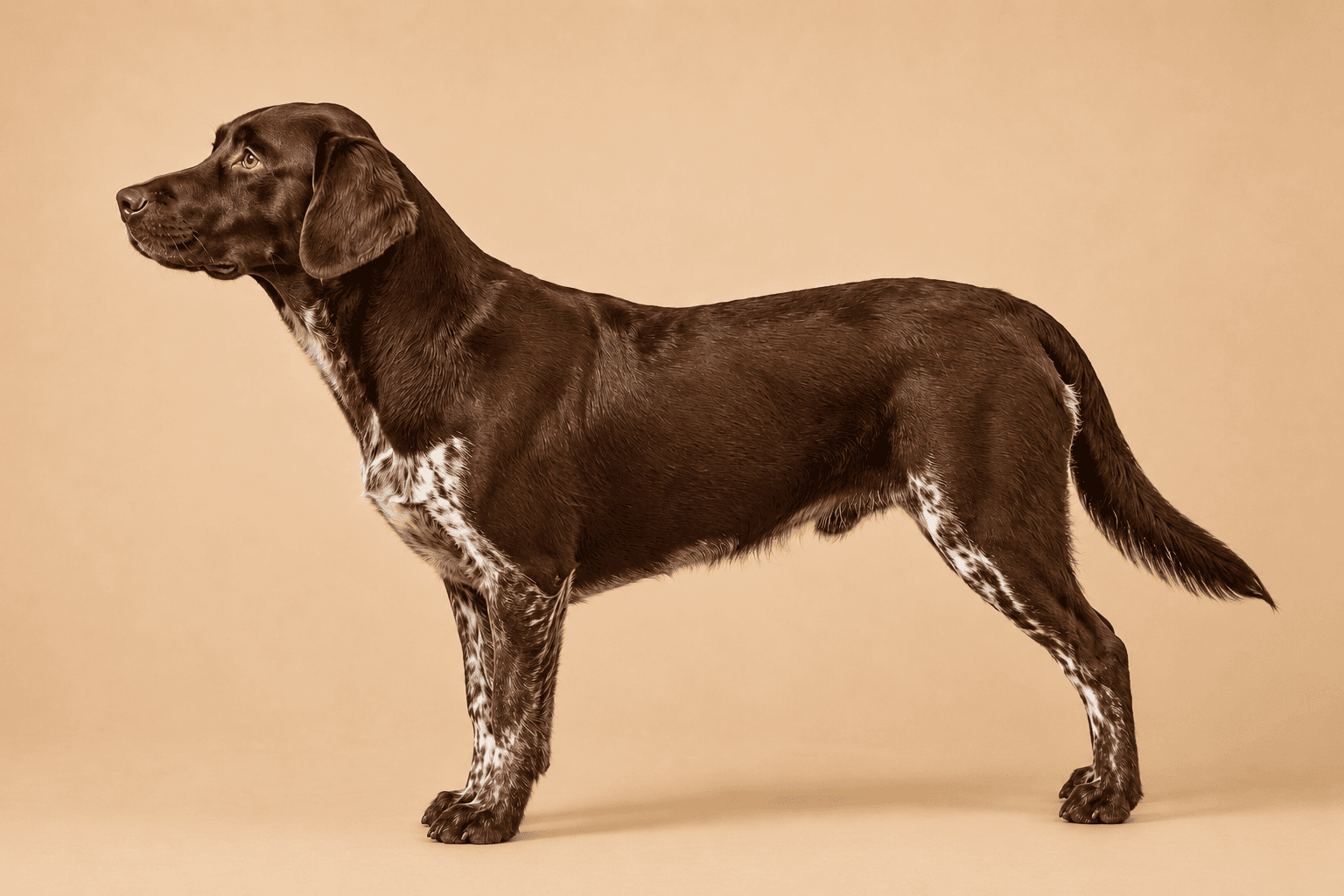
The Springador is a cross between an English Springer Spaniel and a Labrador Retriever — two of the UK's most popular and hardest-working gundogs. The result is a large, energetic, highly trainable dog that is devoted to its family and never happier than when it has a job to do. Unlike most crossbreeds on this hub, the Springador is not a doodle. There is no Poodle in the mix, so it sheds, and buyers looking for a low-shedding dog should look elsewhere.
The Springador is one of the more naturally occurring crossbreeds in the UK. English Springer Spaniels and Labrador Retrievers are both widespread working gundogs, and crosses between them have existed informally in rural and farming communities for decades. The name Springador came later, as the crossbreed gained popularity as a family pet.
Neither parent was bred for the sofa. The Labrador is a retrieving dog developed to work alongside hunters and wildfowlers in all weathers. The Springer Spaniel was bred to flush and retrieve game from dense cover. Both breeds are built for endurance, have a strong drive to work, and thrive on physical activity and mental challenge. The Springador inherits all of this.
The Springador is not KC registered. Because both parents are established, recognisable breeds with published breed standards, health testing frameworks exist for both — which makes it easier to find a Springador from genuinely health-tested parents than it is for many crossbreeds.
Size varies depending on which parent the individual dog takes after. Springer Spaniels are medium-sized (18–25 kg); Labradors are larger (25–36 kg). Springadors typically land somewhere in between, though some are sizeable dogs.
The honest caveat: The Springador's working dog heritage is not switched off by domestication. These dogs need genuine, committed daily exercise — not a twenty-minute walk and a garden run-around. Families who underestimate this end up with a bored, destructive, and occasionally chaotic large dog in their home.
Temperament & Personality
Springadors are friendly, affectionate and people-oriented. Both parent breeds are sociable and non-aggressive, and the Springador reflects this — typically excellent with children, comfortable around strangers, and good with other dogs. The Labrador side brings a steady, calm-when-tired temperament and a strong desire to please. The Springer side brings enthusiasm, a nose that never stops working, and boundless energy that can tip into hyperactivity without enough exercise. Most Springadors love water, inherited from both sides — muddy puddles, rivers and the sea are all invitations. Not known for excessive barking or guarding, though they will alert to strangers.
Training
Springadors are among the more trainable crossbreeds — both parent breeds score highly for working intelligence and responsiveness to handlers. Positive reinforcement works well; they are eager to please and motivated by food and play. Basic obedience comes quickly, and some progress to recall, retrieve and scent work, with some working as assistance, therapy or search-and-rescue dogs. Main challenges: recall when distracted (a Springer nose can override a recall command), jumping up when greeting people, and pulling on the lead. Springadors do not respond well to harsh training methods — consistency and reward-based methods produce the best results.
Exercise Needs
Two hours of exercise daily is realistic for an adult Springador, split across morning and evening sessions. One long off-lead run in a secure area is worth more than several short on-lead walks. An adult Springador that receives insufficient exercise will find other outlets — chewing, digging, restlessness and nuisance barking. Springadors love retrieval games, swimming and nose work, which engage working instincts and tire the dog more efficiently than a walk alone. Puppies should not be over-exercised before 12–18 months; follow the five-minutes-per-month-of-age guideline. A garden is strongly recommended — Springadors are not suited to flat living.
Health & Vet Costs
Springadors are generally robust dogs with a lifespan of 10–14 years. As a cross of two large, active breeds, joint health is the primary concern. Both parent breeds carry risk of hip and elbow dysplasia, and buyers should insist on health test results for both parents before committing to a puppy.
Hip dysplasia: abnormal hip joint development causing pain and mobility problems. BVA hip scoring is standard. The Labrador breed mean hip score is 12 (lower is better); Springer Spaniels have a breed mean of 14. Both parents should score at or below these figures.
Elbow dysplasia: more prevalent in Labradors than Springer Spaniels. BVA elbow grading of 0/0 in the Labrador parent is the standard to look for.
Progressive Retinal Atrophy (PRA): gradual retinal degeneration leading to blindness. Labradors should be tested for prcd-PRA; Springer Spaniels for Cord1 PRA.
Centronuclear myopathy (CNM): a Labrador-inherited muscle disorder. DNA test available.
Exercise-induced collapse (EIC): a Labrador-inherited genetic condition causing collapse during intense exercise. DNA test available — important given the Springador's high exercise requirements.
Fucosidosis: a metabolic storage disease carried in the English Springer Spaniel population. DNA test available; carriers can be bred safely to clear dogs.
Ear infections: both parent breeds have floppy ears that retain moisture. Regular ear checks are essential, particularly in dogs that swim frequently.
| Parent | Recommended tests |
|---|---|
| Labrador Retriever | BVA hip score (at or below breed mean of 12), BVA elbow score (0/0), BVA annual eye test, prcd-PRA DNA test, CNM DNA test, EIC DNA test |
| English Springer Spaniel | BVA hip score (at or below breed mean of 14), gonioscopy eye test (valid 3 years), PRA Cord1 DNA test, Fucosidosis DNA test |
See how to find a responsible crossbreed breeder for what to ask and what documentation to expect.
Feeding & Nutrition
An adult Springador typically needs 350–500g of a quality dry complete food per day, divided across two meals. Larger individuals need more. Labradors are famously food-motivated and prone to obesity, and this trait can carry through to the Springador — do not free-feed, use measured portions, and account for training treats. Monthly food costs on a mid-range complete dry food: approximately £40–£60.
Feeding your Springador
How much to feed, which food types suit this breed, and what to avoid.
Grooming & Care
The Springador has a double coat that sheds year-round, with heavier shedding in spring and autumn. Brush two to three times a week to manage loose hair; daily during seasonal moults. Bathe as needed, particularly for dogs that swim regularly or work in muddy terrain. Professional grooming is optional — unlike Poodle crosses, the coat does not need regular clipping, though some owners opt for a light tidy of ear, leg and tail feathering (£40–£65 per session). Check and clean ears weekly, particularly after swimming, as moisture trapped in floppy ears creates ideal conditions for infection. Check nails monthly.
Costs of Ownership
Purchase price: £500–£1,000 from a reputable UK breeder with health-tested parents — less fashionable than doodle crosses so tend to be priced lower. Insurance: £35–£65/month for lifetime cover; lifetime cover is strongly recommended given the risk of ongoing orthopaedic conditions. Monthly running costs excl. insurance: food £40–£60, grooming £10–£20, flea/worm/tick £10–£15, toys/accessories £10–£20, total £70–£115/month. First-year costs are higher due to vaccinations (£50–£80), neutering if chosen (£200–£400) and initial equipment.
Estimated cost breakdown
Estimates based on UK average costs. Actual costs vary by location, vet, and lifestyle.
Owner note
Is your Springador insured?
Springador insurance typically costs £30–£75 per month depending on age, cover level and where you live. Getting the right policy before your first vet visit is one of the most important decisions you will make as a new owner.
Compare dog insuranceWe may earn a commission if you buy through our links. This never influences our recommendations.
Where to Find a Springador in the UK
Whether you are looking for a Springador puppy from a responsible breeder or hoping to give a rescue Springador a second chance, there are reliable routes to finding the right dog. The most important thing is that you find them through the right channel — one that puts the dog's welfare first.
Finding a Springador Puppy
The Kennel Club's Find a Puppy service is the safest starting point for anyone looking for a Springador puppy. It connects buyers with breeders who register their litters and allows you to verify parental health test results.
The Springador breed club maintains a breeder register and can be contacted via the Kennel Club website for recommendations.
Before you commit, read our complete guide to finding a puppy responsibly — including the red flags that separate an ethical breeder from a puppy farm.
Read the Puppy Buying GuideRescuing a Springador
Springador-specific rescue organisations are run by people who know the breed inside out. They assess every dog carefully and match them to homes that genuinely suit their needs. Waiting lists exist but are worth it.
General rescues including Dogs Trust, RSPCA and Battersea also occasionally have Springadors available. Contact them directly to register your interest.
Our rescue guide covers the full adoption process in detail.
Find a Rescue DogIs a Springador Right for You?
Active families with space for a large dog and the time to provide two hours of exercise daily. Good with children and generally good with other dogs. Not suited to flat living, small homes, or owners with limited time for exercise. Manageable for a committed first-time owner, but the high energy level requires genuine commitment.
Frequently Asked Questions
No. A Sproodle is a cross between an English Springer Spaniel and a Poodle. A Springador is a cross between an English Springer Spaniel and a Labrador Retriever. They share the Springer Spaniel parent but are otherwise different crosses with different characteristics. Sproodles tend to be lower-shedding; Springadors are not.
Yes. Both parent breeds have double coats and shed consistently year-round, with heavier seasonal moults in spring and autumn. Buyers looking for a low-shedding crossbreed should consider a doodle cross instead.
Yes, for the right family. They are affectionate, patient with children, and sociable with other dogs. They need active families who can provide two hours of exercise daily and have space for a large dog. They are not a good fit for small homes, flat living, or owners with limited time for exercise.
Most Springadors fall between 23 and 36 kg, with height ranging from 46 to 61 cm at the shoulder. Size depends on which parent the individual dog takes after. Some lean towards the Springer and are more medium-sized; others are distinctly Labrador in build.
Yes — they are one of the more trainable crossbreeds. Both parent breeds are working gundogs with high intelligence and a strong desire to please. Springadors respond well to positive reinforcement and can progress well beyond basic obedience. Consistent training from puppyhood is important given their size and energy level.
Adult Springadors need a minimum of two hours of exercise daily. This should include off-lead time where possible. A garden is essential. Under-exercised Springadors become bored and destructive.
Related Breeds
Goldendoodle
The Goldendoodle is a cross between a Golden Retriever and a Poodle, popular for low-shedding coats and friendly tempera...
View breed guide →Labradoodle
The Labradoodle is a Labrador and Poodle cross and one of the UK's most popular dogs, though not KC-recognised. No Labra...
View breed guide →Sproodle
The Sproodle is an English Springer Spaniel and Poodle cross combining a working gundog's energy and drive with a lower-...
View breed guide →Related Guides
Find local services for your Springador
Search verified UK listings for vets, groomers, trainers and walkers near you.
Upcoming events for Springador owners
Championship Show
Darlington Dog Show Society Championship Show 2026
18 to 20 September 2026 · Ripon, North Yorkshire
Companion Show
Paws in the Park — Kent 2026
19 to 20 September 2026 · Maidstone, Kent
Championship Show
Belfast Dog Show Society Championship Show 2026
26 to 27 September 2026 · Lisburn, County Antrim
Festival
DogFest at the Palace 2026
3 to 4 October 2026 · Woodstock, Oxfordshire
Championship Show
South Wales Kennel Association Championship Show 2026
8 to 11 October 2026 · Builth Wells, Powys