

Golden Retriever
Complete UK breed guide

Quick answer
Golden Retrievers are intelligent, gentle family dogs and one of the UK's most popular breeds. Approximately 60 per cent develop cancer during their lifetime, making comprehensive lifetime insurance essential. They need two hours of daily exercise and are not suited to flats. Expect monthly costs of £135 to £245, with a lifespan of 10 to 12 years.
Quick Facts
- Size
- Large
- Weight
- 25–34 kg
- Lifespan
- 10–12 years
- Breed Group
- Gundog
- Exercise
- 90–120 mins/day
- Activity Level
- High
- Grooming
- High
- Monthly Cost
- £80–£150/month
- Temperament
- Gentle, Friendly, Intelligent
- Good with Children
- Yes
- Good with Dogs
- Yes
- Good for First Timers
- Yes
- Suits Flats
- No
Free care guide
Get the Complete Golden Retriever Care Guide
Feeding, health, grooming, training and costs for your Golden Retriever. Free, straight to your inbox.

Getting set up
Getting a Golden Retriever? Here's what you'll need.
Our editors have picked the essentials for Golden Retriever owners.
See the Active Dog Kit →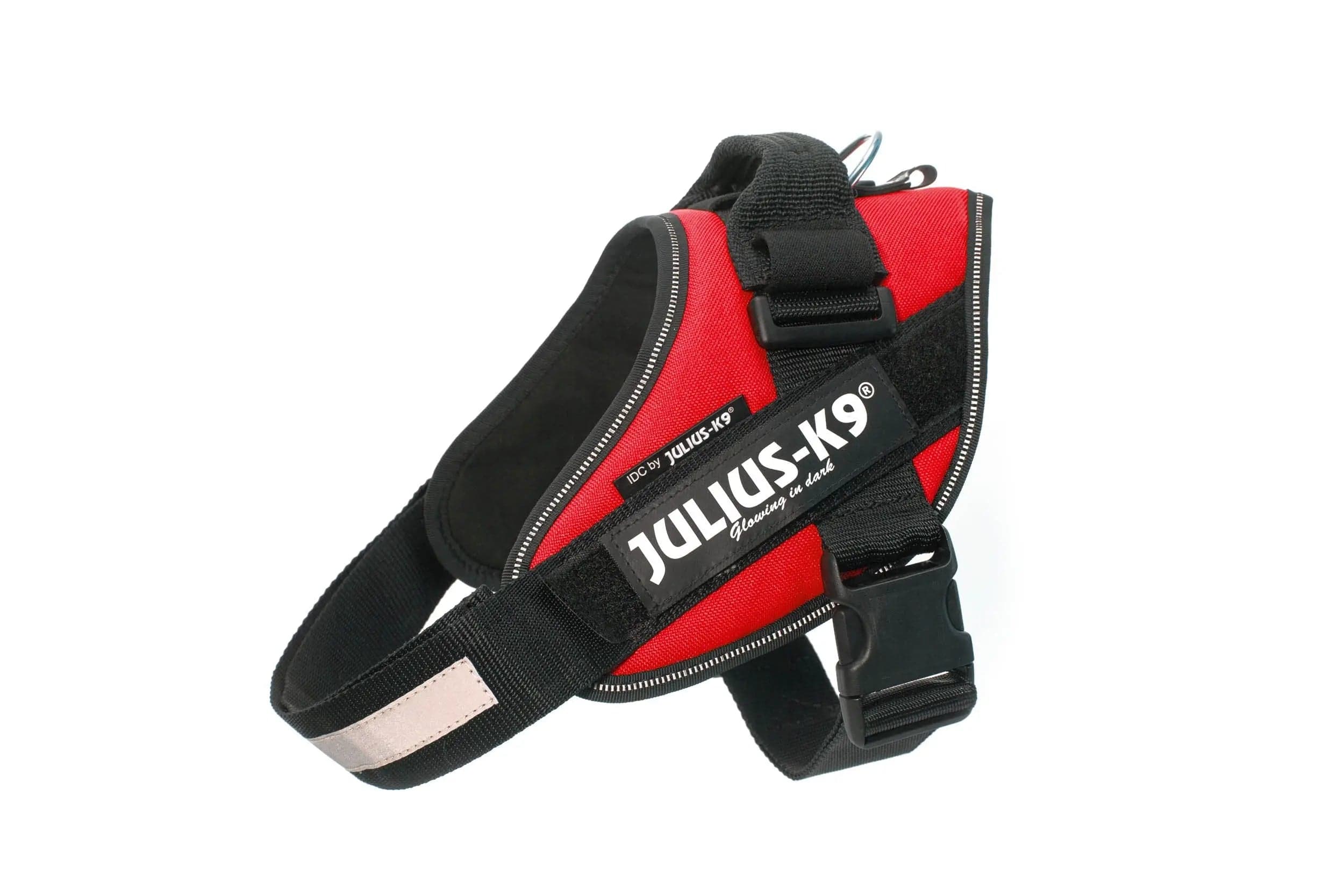

Everything you need for a Golden Retriever
Harnesses, grooming, food and more, all chosen specifically for Golden Retriever owners.
See the guidePros & Cons
Pros
- One of the gentlest and most reliable family breeds
- Excellent with children and other dogs
- Highly trainable and eager to please
- Great for first-time owners
- Sociable and friendly in all settings
Things to Consider
- Heavy shedding — daily brushing during moulting seasons
- Higher cancer risk than many breeds
- Needs 1.5 to 2 hours of daily exercise
- Prone to ear infections
- Not a guard dog
Recommended for Adult Dogs for Golden Retrievers
Products selected for Golden Retriever size, coat type, and life stage. Affiliate disclosure.
PetFusion
PetFusion Ultimate Dog Bed (Large)
Memory foam orthopedic bed with waterproof cover. Ideal for large breeds.
Shop PetFusionTuffies
Shop NowKurgo
Shop NowProDen PlaqueOff
VOHC-accepted. Seaweed-based dental bone with multiple flavours. From the makers of PlaqueOff Powder.
Buy on AmazonHurtta
Hurtta Mudventure ECO Raincoat (Large)
Reflective, eco-friendly raincoat built for UK weather. Large size.
Shop HurttaBarking Heads
Shop NowRoyal Canin
Royal Canin Breed-Specific Food
Nutrition precision-tailored to your breed.
Shop Royal CaninAATU Dog and Cat Food
Shop NowLily's Kitchen
Shop NowHarringtons
The UK's bestselling dry dog food. No artificial colours, flavours or preservatives. Made with natural ingredients including chicken, brown rice and vegetables. Available in multiple sizes.
Shop NowAnimology
The UK groomer standard for removing fox poo and foul odours. Deep cleaning with built-in conditioner and Pro-Vitamin B5. Suitable for all coats from 6 weeks old.
Shop NowChris Christensen
Shop NowBoshel
Shop NowRosewood
Shop NowDrontal
Shop NowPets Calm Down
Shop NowJulius-K9
Julius-K9 IDC Powerharness (Large)
Award-winning harness trusted by dog owners worldwide. Large size (23-30kg).
Shop Julius-K9PitPat
Shop NowFurbo
Shop NowNina Ottosson
Nina Ottosson Dog Puzzle
Level 2 puzzle feeder. Engages your dog mentally and slows eating.
Try Nina OttossonLickiMat
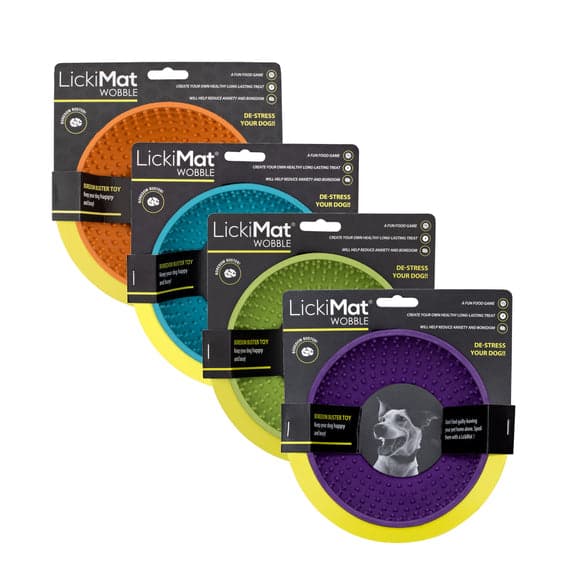
LickiMat Wobble
Slows feeding, reduces anxiety, keeps dogs calm and engaged.
Try LickiMatKONG
KONG Classic (Large)
The classic rubber chew for large and giant breeds.
Shop KONGChuckit
Chuckit! Ball Launcher (Large)
Launch further, throw less. Sport 26L launcher for large dogs.
Shop Chuckit!Trixie
Shop NowDoggone Good
Shop NowFURminator
FURminator Deshedding Tool (Large, Long & Double Coat)
Reduces shedding by up to 90% for large long-coated dogs.
Shop FURminatorBreed Overview
Golden Retrievers are among the most recognisable and beloved dogs in the UK, consistently appearing in the top ten of Kennel Club registration figures and widely regarded as one of the finest family dogs in the world. Registered in the KC Gundog Group, they were originally bred in the Scottish Highlands in the 19th century to retrieve shot game from both land and water, and the breed's characteristic combination of intelligence, trainability and gentle mouth is a direct product of that heritage.
What makes the Golden Retriever so appealing is their character: they are warm, patient, deeply affectionate, and almost universally gentle with people. They are one of the most trainable breeds and excel in working roles including assistance dogs, search and rescue, and therapy work. In a family home, they tend to be excellent with children, tolerant of other dogs, and thoroughly sociable.
There is, however, an important health reality that every prospective owner must understand before choosing a Golden Retriever. Research studies, most notably the Morris Animal Foundation Golden Retriever Lifetime Study, indicate that approximately 60 per cent of Golden Retrievers will develop cancer during their lifetime. This is significantly higher than the average across all breeds and has been a focus of research for decades. It does not mean that your dog will definitely develop cancer, but it does mean you should buy comprehensive lifetime insurance from day one, and be aware of the signs.
Beyond cancer, Golden Retrievers are prone to hip and elbow dysplasia, both of which are assessed through the KC/BVA scoring schemes, and subaortic stenosis (SAS), a heart condition. Responsible breeders test for all three.
Goldens are active dogs that need around two hours of exercise per day and a good amount of space. They are not suited to flat living or small homes without gardens. Their dense, water-repellent double coat sheds significantly and requires regular brushing.
Purchase prices from a health-tested KC-registered breeder typically range from £1,200 to £2,500. This is a breed where buying from a reputable breeder who health tests is not optional: it is the most meaningful thing you can do to improve your dog's long-term health prospects. A Golden Retriever given the exercise, training and healthcare they need is one of the most rewarding dogs a family can own. They are affectionate, reliably good-natured, and consistently ranked among the finest all-round family dogs in the world. Typical lifespan is 10 to 12 years.
Temperament & Personality
Golden Retrievers have a character that is almost universally warm and gentle. They are affectionate, patient and deeply people-oriented, bonding closely with their whole family rather than attaching exclusively to one person. This sociability extends to strangers, which makes them poor guard dogs but excellent family companions and therapy animals.
They are exceptional with children. Their natural patience and gentle instinct means they tend to tolerate the chaos of family life better than many other breeds. Even so, all interactions between dogs and very young children should be supervised: no dog should be expected to manage an overstimulating or rough situation indefinitely.
Goldens are eager to please, which makes them a pleasure to train and keeps them oriented toward their owner even in distracting environments. This same quality means they are emotionally sensitive to their owner's mood: harsh treatment or raised voices are counterproductive with this breed and unnecessary. Positive reinforcement is the only training approach you will need.
They are a retrieving breed and carry this instinct throughout their lives, often greeting people with a toy or household object in their mouth. This is characteristic and endearing rather than problematic. Their mouths are famously soft: a Golden trained for retrieving can carry an egg without breaking it.
Separation anxiety can be an issue in Goldens that have not been accustomed to periods of independence from an early age. Establishing short, positive alone-time gradually from puppyhood prevents the breed's attachment from becoming problematic. Goldens left alone and bored will often entertain themselves destructively.
Training
Golden Retrievers are one of the most trainable breeds and consistently rank among the top performers in obedience competitions. Their eagerness to please, combined with high intelligence and food motivation, means they respond quickly and enthusiastically to positive reinforcement training.
Four priorities for a new Golden owner:
- Impulse control. Goldens are enthusiastic and their default is exuberance. Teaching a reliable sit, wait and settle from the start prevents a large, boisterous adult dog from jumping up on guests, pulling on the lead, and generally overwhelming people with enthusiasm.
- Recall. Although Goldens are generally biddable, a young dog in a stimulating environment can get carried away. Build a reliable recall with high-value rewards before extending off-lead freedom.
- Loose lead walking. A large, strong Golden that pulls on the lead is genuinely hard to manage. Consistent loose lead training from puppyhood is far easier than correcting an established habit in an adult dog.
- Independence. Goldens are prone to separation anxiety if not taught from puppyhood that being alone for periods is safe and normal. Build this gradually and positively.
Common mistakes: Owners sometimes allow Golden puppies to behave in ways they would not tolerate in an adult dog, because the puppy behaviour is cute. A 30kg Golden that jumps up, pulls, and demands constant attention is not cute: it is the predictable result of not setting boundaries early.
Goldens thrive with activities that engage their working heritage: retrieve games, scent work, swimming and structured training classes all provide both physical and mental outlet.
Good to know
Separation anxiety in Golden Retrievers
Golden Retrievers are known for close attachment to their owners. Without early alone-time training, this can develop into separation anxiety.
Read the complete separation anxiety guide →Exercise Needs
Golden Retrievers need around two hours of exercise per day and have the stamina to sustain activity for long periods. This is a breed that genuinely enjoys physical activity: swimming, retrieving, running alongside a cyclist, and long walks are all activities they approach with enthusiasm.
Exercise can be split across two or more outings. Off-lead time in a safe environment is important for this breed's physical and mental wellbeing. Goldens are not well-suited to very small gardens or homes without access to outdoor space.
Puppies should follow the standard guideline of five minutes per month of age, twice daily, to protect developing joints. Goldens grow quickly and their bones and joints are vulnerable to damage from over-exercise in the first 12 to 18 months. Avoid sustained high-impact activity such as long road runs until full skeletal maturity.
Mental stimulation is as important as physical exercise. A Golden that is physically tired but mentally bored will still find ways to create mischief. Retrieve games, scent work and training sessions all provide valuable mental engagement alongside physical exercise.
Health & Vet Costs
Golden Retrievers have a significant and specific health profile that every owner should understand.
Cancer is the single most important health consideration for the breed. Research, including the Morris Animal Foundation's long-running Golden Retriever Lifetime Study, consistently indicates that approximately 60 per cent of Golden Retrievers will develop cancer during their lifetime. The most common types are haemangiosarcoma, lymphoma, mast cell tumours and osteosarcoma. There is no routine screening test for most of these; the practical implication is that comprehensive lifetime insurance is essential, and owners should be familiar with the signs of illness including unexplained weight loss, lumps or swelling, lethargy, and changes in appetite.
Hip dysplasia is common in the breed and assessed through the KC/BVA Hip Scoring scheme. The breed mean score is approximately 12 to 15; breeders should aim well below this. Untreated hip dysplasia causes pain and reduced mobility; management and surgery can cost several thousand pounds.
Elbow dysplasia is assessed through the KC/BVA Elbow Grading scheme. Both hips and elbows should be scored in all breeding dogs.
Subaortic Stenosis (SAS) is a heart condition in which the aortic valve narrows, restricting blood flow from the heart. It ranges from mild and manageable to severe and potentially fatal. Breeding dogs should be assessed by a veterinary cardiologist; puppies should have a cardiac check as part of their initial vet examination.
Ichthyosis is a skin condition causing excessive scaling; a DNA test is available and responsible breeders test for it.
Monthly insurance typically costs £50 to £90 for comprehensive lifetime cover. Given the breed's cancer statistics, lifetime cover rather than annual policies is strongly recommended. Lifespan is typically 10 to 12 years. The KC provides detailed health testing guidance for the breed.
Feeding & Nutrition
Golden Retrievers are enthusiastic eaters and prone to obesity if not managed carefully. Excess weight places additional strain on joints already at risk of dysplasia and contributes to a range of other health problems. Monitoring body condition and adjusting portions accordingly is an ongoing responsibility.
Feed a complete, high-quality food appropriate for large breeds. Large breed puppy food during the growth phase is important: these formulations are designed to support controlled growth and reduce the risk of developmental bone and joint problems. Follow the feeding guidelines and adjust based on activity level and body condition.
Goldens are often highly food-motivated, which is excellent for training but means treats can add up quickly. Count treats within the daily calorie allowance rather than adding them on top. A joint supplement, particularly as a Golden ages or if hip or elbow dysplasia has been diagnosed, is worth discussing with your vet.
Feeding your Golden Retriever
How much to feed, which food types suit this breed, and what to avoid.
Grooming & Care
Golden Retrievers have a dense, water-repellent double coat that sheds significantly, particularly in spring and autumn. Regular grooming is needed to keep the coat in good condition and to manage the volume of hair that ends up on furniture and floors.
Brush two to three times per week using a slicker brush and an undercoat rake, paying particular attention to the feathering on the ears, legs, underbelly and tail where tangles develop most readily. During heavy seasonal shedding, daily brushing will be needed. Professional grooming every two to three months can help manage the coat between sessions.
Goldens generally enjoy water and will often emerge from a swim or muddy walk thoroughly saturated. A towel-dry followed by a brush once dry prevents matting and keeps the coat in good condition. Baths every four to six weeks or as needed using a dog shampoo suited to double coats.
Ears should be checked and cleaned weekly: Goldens are prone to ear infections due to the warm, moist environment created by their hanging ear flaps. Nails should be trimmed every three to four weeks and teeth brushed regularly.
Costs of Ownership
Purchase price: A Golden Retriever puppy from a health-tested KC-registered breeder typically costs £1,200 to £2,500 in 2025 to 2026. Prices from breeders without health testing should be treated with caution: the savings rarely offset the potential veterinary costs. Rescue rehoming fees range from £100 to £350.
Setup costs: Crate, large bedding, harness, bowls, initial vet check, vaccinations, microchip and neutering typically total £600 to £1,000.
Monthly running costs:
- Food (large breed): £50 to £90
- Insurance (comprehensive lifetime): £50 to £90
- Routine vet care and parasite prevention: £20 to £35
- Grooming products or professional grooming (averaged): £15 to £30
- Total monthly estimate: £135 to £245
Annual estimate: approximately £1,620 to £2,940, before unexpected vet costs.
Lifetime costs: With a lifespan of 10 to 12 years and a cancer incidence of approximately 60 per cent in the breed, comprehensive insurance and potential cancer treatment costs make the total lifetime cost of a Golden Retriever significant. Total costs of £20,000 to £40,000 over a lifetime are plausible depending on health outcomes.
Estimated cost breakdown
Estimates based on UK average costs. Actual costs vary by location, vet, and lifestyle.
Owner note
Is your Golden Retriever insured?
Golden Retriever insurance typically costs £30–£75 per month depending on age, cover level and where you live. Getting the right policy before your first vet visit is one of the most important decisions you will make as a new owner.
Compare dog insuranceWe may earn a commission if you buy through our links. This never influences our recommendations.
Where to Find a Golden Retriever in the UK
Whether you are looking for a Golden Retriever puppy from a responsible breeder or hoping to give a rescue Golden Retriever a second chance, there are reliable routes to finding the right dog. The most important thing is that you find them through the right channel — one that puts the dog's welfare first.
Finding a Golden Retriever Puppy
The Kennel Club's Find a Puppy service is the safest starting point for anyone looking for a Golden Retriever puppy. It connects buyers with breeders who register their litters and allows you to verify parental health test results.
For Golden Retrievers, the relevant breed club is The Golden Retriever Club. They maintain a breeder register and can be contacted directly for recommendations.
Before you commit, read our complete guide to finding a puppy responsibly — including the red flags that separate an ethical breeder from a puppy farm.
Read the Puppy Buying GuideRescuing a Golden Retriever
Golden Retriever-specific rescue organisations are run by people who know the breed inside out. They assess every dog carefully and match them to homes that genuinely suit their needs. Waiting lists exist but are worth it.
Key Golden Retriever rescues in the UK include:
Our rescue guide covers the full adoption process in detail.
Find a Rescue DogIs a Golden Retriever Right for You?
Well suited to: active families with children; experienced or committed first-time owners prepared to invest in training and exercise; homes with gardens and access to outdoor space; owners who want a sociable, trainable, all-round companion dog.
Not suited to: sedentary owners or those unable to commit to two hours of daily exercise; flat or small-home living without reliable access to outdoor space; owners who want a low-maintenance coat; those unable to take on the financial commitment of comprehensive lifetime insurance for a breed with a high cancer incidence.
Golden Retrievers are not a low-effort dog despite their pleasant character. They need substantial exercise, regular training, significant grooming attention, and serious engagement with their health monitoring needs. Give them these things, and they are one of the most rewarding breeds you can own.
Why people choose a Golden Retriever
- One of the gentlest and most reliable family breeds
- Excellent with children and other dogs
- Highly trainable and eager to please
- Great for first-time owners
- Sociable and friendly in all settings
Frequently Asked Questions
Yes — they are one of the gentlest and most reliable family breeds. Excellent with children of all ages.
1.5 to 2 hours per day including walks, swimming and off-lead running.
Yes — heavily, especially in spring and autumn. Regular brushing is essential.
Yes — they are highly intelligent and eager to please. One of the easiest breeds to train.
10 to 14 years on average.
Around £80 to £150 per month.
Yes — with awareness of their grooming needs and exercise requirements.
Related Breeds
Cockapoo
Cockapoos are a Cocker Spaniel and Poodle cross and one of the UK's most popular dogs, though they are not KC-recognised...
View breed guide →Cocker Spaniel
Cocker Spaniels are energetic, affectionate gundogs and one of the UK's most popular family breeds. They need around two...
View breed guide →Labrador Retriever
The Labrador Retriever is a friendly, intelligent and highly trainable dog that makes an excellent family pet in the UK....
View breed guide →Related Guides
Find local services for your Golden Retriever
Search verified UK listings for vets, groomers, trainers and walkers near you.
Upcoming events for Golden Retriever owners
Championship Show
Darlington Dog Show Society Championship Show 2026
18 to 20 September 2026 · Ripon, North Yorkshire
Companion Show
Paws in the Park — Kent 2026
19 to 20 September 2026 · Maidstone, Kent
Championship Show
Belfast Dog Show Society Championship Show 2026
26 to 27 September 2026 · Lisburn, County Antrim
Festival
DogFest at the Palace 2026
3 to 4 October 2026 · Woodstock, Oxfordshire
Championship Show
South Wales Kennel Association Championship Show 2026
8 to 11 October 2026 · Builth Wells, Powys