

Staffordshire Bull Terrier
Complete UK breed guide
Quick answer
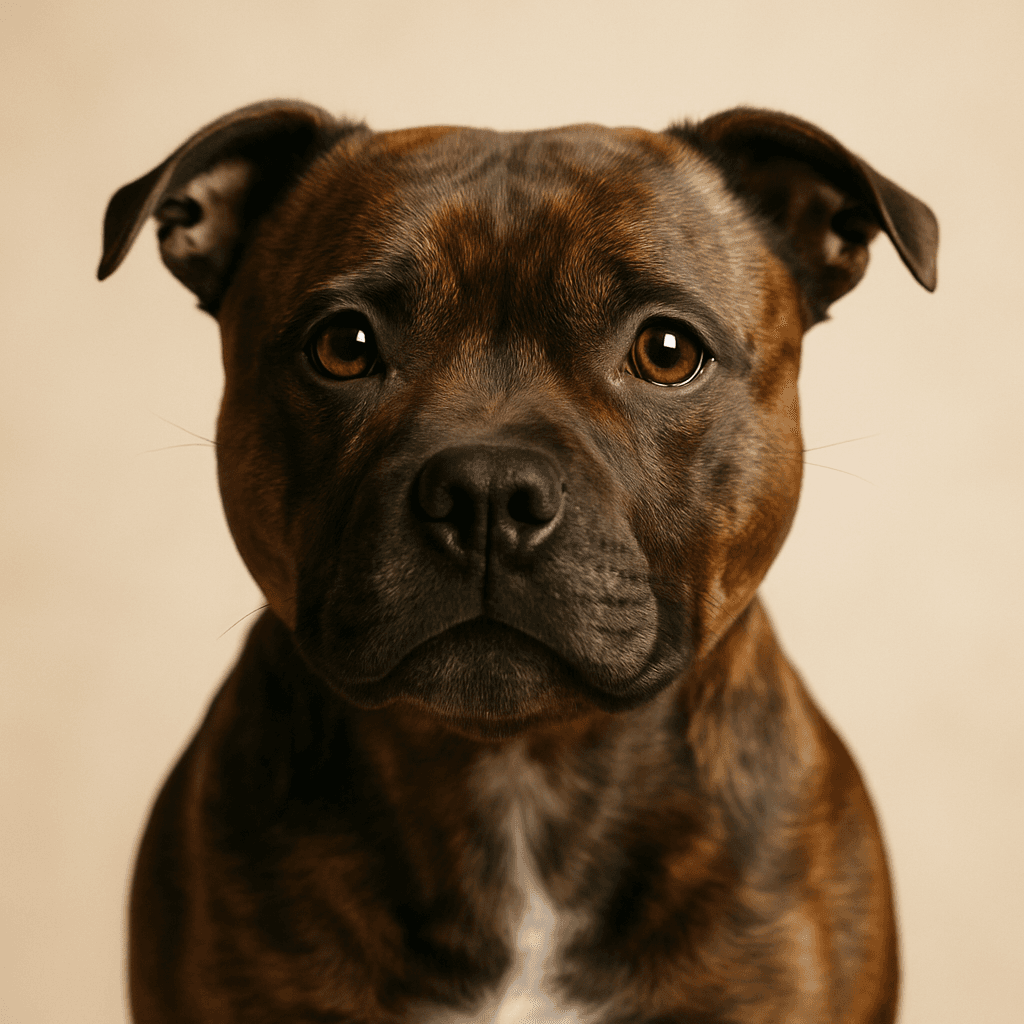
The Staffordshire Bull Terrier is a loyal, affectionate family dog and a legal breed in the UK, not listed under the Dangerous Dogs Act 1991. It has the highest rescue numbers of any breed in the UK. They need one to two hours of daily exercise and consistent training. Expect monthly costs of £90 to £155, with a lifespan of 12 to 14 years.
Quick Facts
- Size
- Medium
- Weight
- 11–17 kg
- Lifespan
- 12–14 years
- Breed Group
- Terrier
- Exercise
- 60–90 mins/day
- Activity Level
- High
- Grooming
- Low
- Monthly Cost
- £70–£130/month
- Temperament
- Affectionate, Loyal, Energetic
- Good with Children
- Yes
- Good with Dogs
- Yes
- Good for First Timers
- Yes
- Suits Flats
- No
Free care guide
Get the Complete Staffordshire Bull Terrier Care Guide
Feeding, health, grooming, training and costs for your Staffordshire Bull Terrier. Free, straight to your inbox.
Getting set up
Getting a Staffordshire Bull Terrier? Here's what you'll need.
Our editors have picked the essentials for Staffordshire Bull Terrier owners.
See the Active Dog Kit →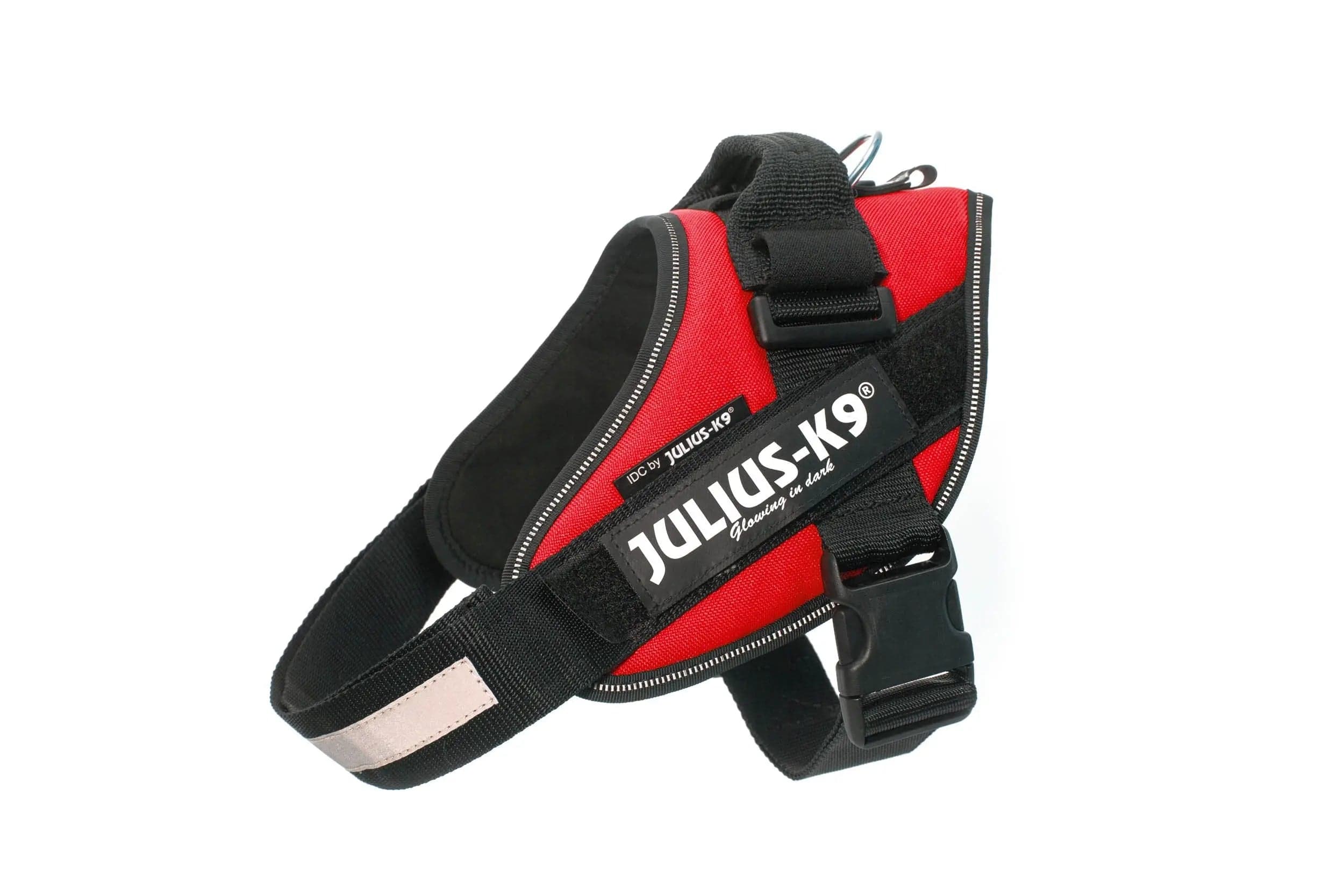
Pros & Cons
Pros
- Famously gentle and loving with children
- Loyal and deeply affectionate companion
- Low grooming needs
- Highly trainable with positive methods
- Thrives on companionship and family life
Things to Consider
- Variable socialisation with other dogs — early work essential
- Strong and energetic — lead training important
- Can be left alone less well than some breeds
- Some housing restrictions may apply
- Prey drive in some lines
Recommended for Adult Dogs for Staffordshire Bull Terriers
Products selected for Staffordshire Bull Terrier size, coat type, and life stage. Affiliate disclosure.
Tuffies
Shop NowKurgo
Shop NowPedigree
VOHC-accepted. Most affordable evidence-backed daily chew. Widely available. X-shape targets gumline.
Buy on AmazonHurtta
Hurtta Mudventure ECO Raincoat (Medium)
Reflective, eco-friendly raincoat built for UK weather. Medium size.
Shop HurttaLily's Kitchen
Shop NowRoyal Canin
Royal Canin Breed-Specific Food
Nutrition precision-tailored to your breed.
Shop Royal CaninBarking Heads
Shop NowAATU Dog and Cat Food
Shop NowHarringtons
The UK's bestselling dry dog food. No artificial colours, flavours or preservatives. Made with natural ingredients including chicken, brown rice and vegetables. Available in multiple sizes.
Shop NowBoshel
Shop NowAnimology
The UK groomer standard for removing fox poo and foul odours. Deep cleaning with built-in conditioner and Pro-Vitamin B5. Suitable for all coats from 6 weeks old.
Shop NowPets Calm Down
Shop NowDrontal
Shop NowRosewood
Shop NowJulius-K9
Julius-K9 IDC Powerharness (Medium)
Award-winning harness trusted by dog owners worldwide. Medium size (14-25kg).
Shop Julius-K9PitPat
Shop NowFurbo
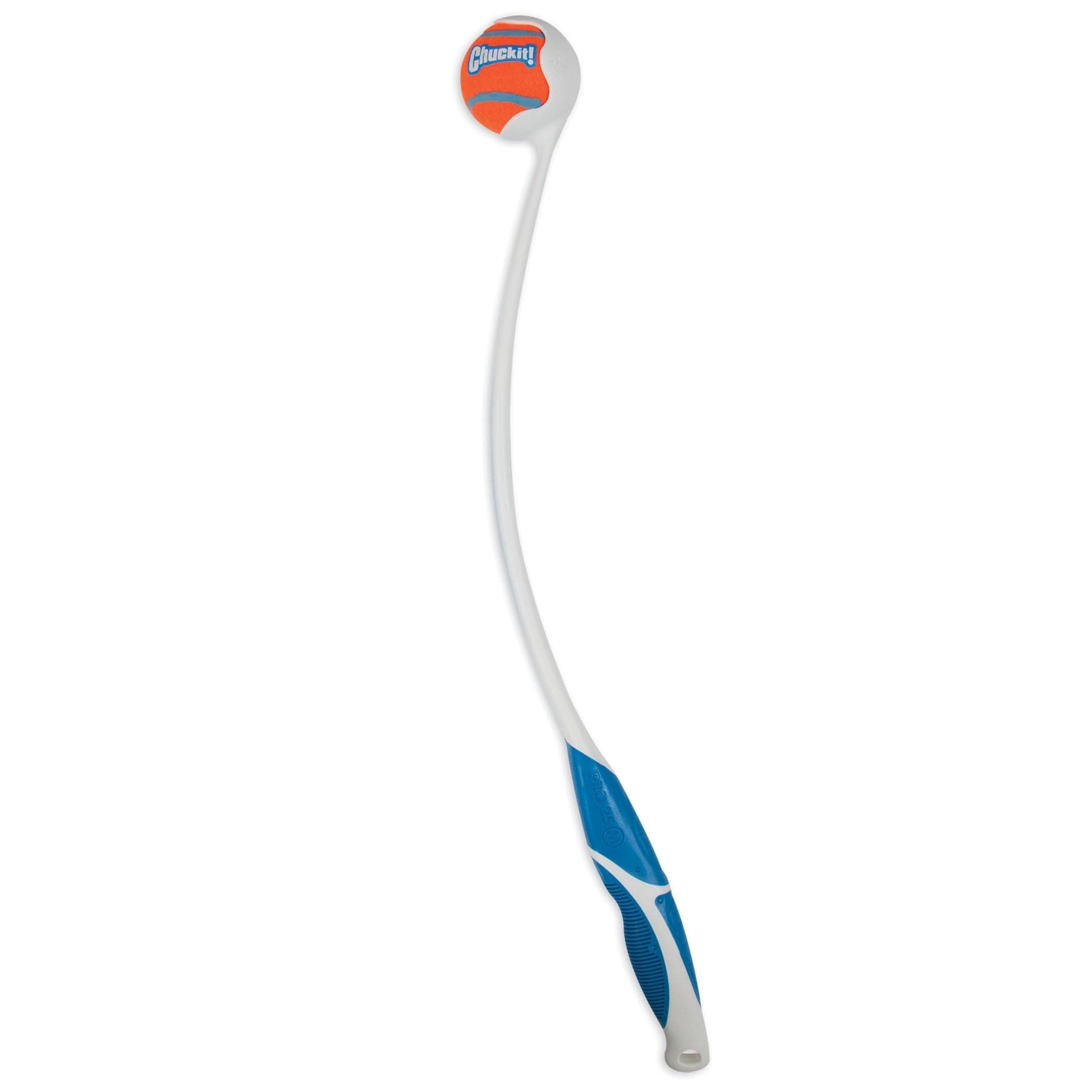
Shop NowChuckit
Chuckit! Ball Launcher (Medium)
Launch further, throw less. Sport 25 launcher for medium dogs.
Shop Chuckit!LickiMat
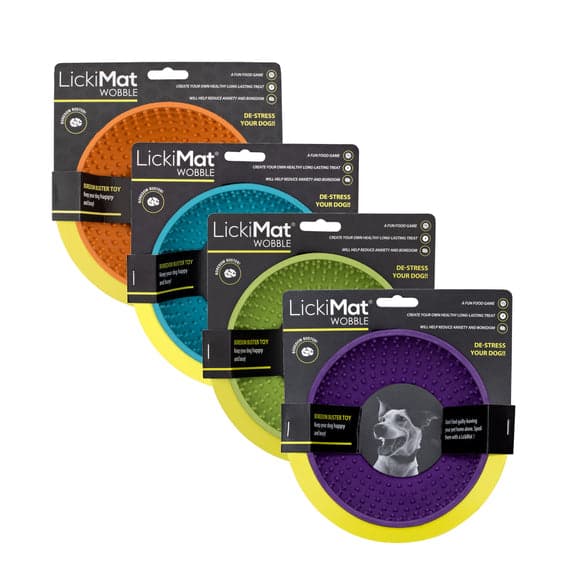
LickiMat Wobble
Slows feeding, reduces anxiety, keeps dogs calm and engaged.
Try LickiMatKONG
KONG Classic (Medium)
The classic rubber chew for medium breeds.
Shop KONGNina Ottosson
Nina Ottosson Dog Puzzle
Level 2 puzzle feeder. Engages your dog mentally and slows eating.
Try Nina OttossonTrixie
Shop NowDoggone Good
Shop NowFURminator
FURminator Deshedding Tool (Medium, Short Hair)
Reduces shedding by up to 90% for medium short-coated dogs.
Shop FURminatorBreed Overview
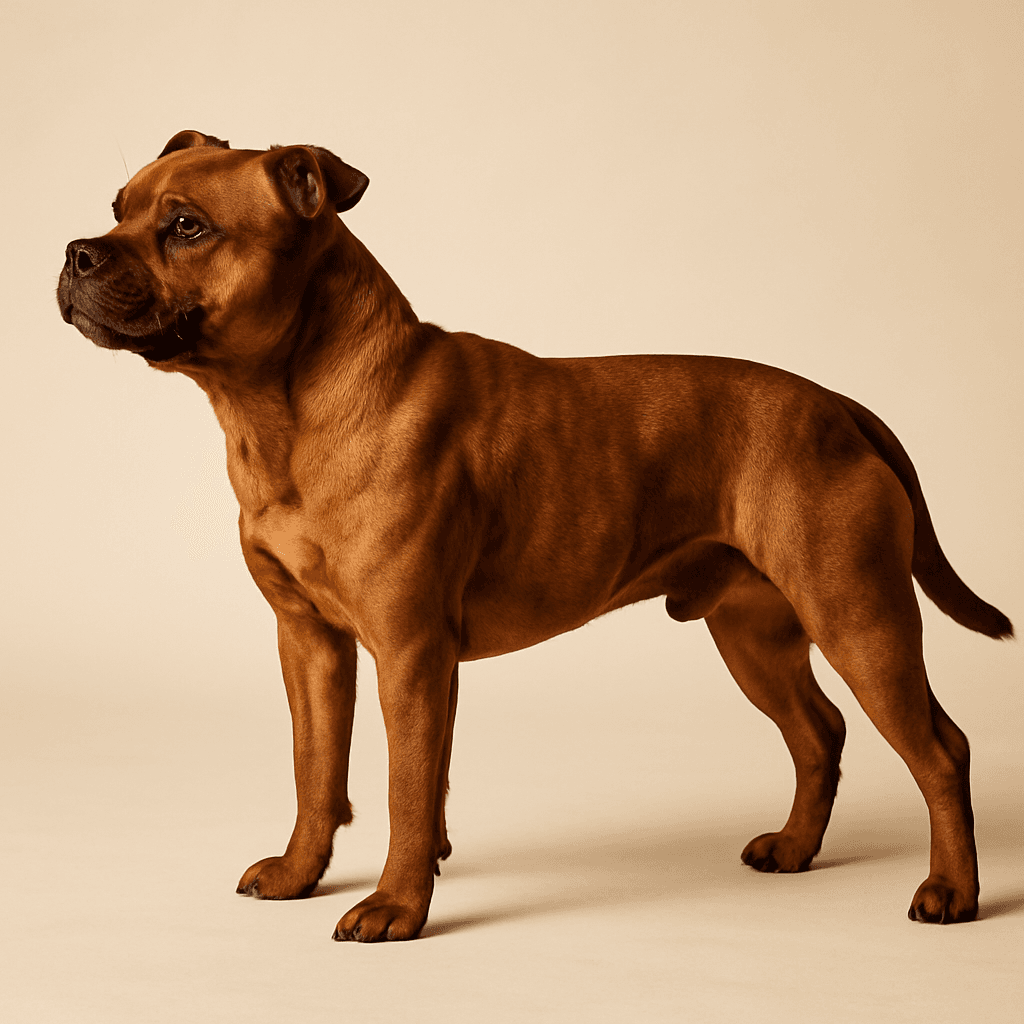
The Staffordshire Bull Terrier is not a banned breed in the United Kingdom. This is worth stating plainly because confusion about the Dangerous Dogs Act 1991 remains widespread. That Act prohibits four specific types: the Pit Bull Terrier, Japanese Tosa, Dogo Argentino and Fila Brasileiro. The Staffordshire Bull Terrier is not on that list and is a fully legal, Kennel Club-recognised breed in the Terrier Group, with a long and legitimate history as a British companion dog.
Staffies are affectionate, loyal and demonstrably good with people, particularly children they know. The breed's historical reputation as a family dog is well-founded: they are tolerant, playful and form strong bonds with their household. They are also courageous, muscular and energetic, which means they need an owner who provides consistent training, adequate exercise and clear boundaries from the start.
The most significant fact about Staffordshire Bull Terriers in the UK context is their rescue numbers. The Staffie consistently holds the highest number of any breed in UK rescue centres, year after year. This is not a reflection of the breed's character: it is a reflection of impulse buying, unrealistic expectations, and insufficient training. The dogs surrendered are overwhelmingly the same warm, people-oriented animals that make excellent pets in the right hands.
Staffies are sociable with people but can be selective with other dogs, particularly of the same sex. Early socialisation is important, and owners should be prepared to manage introductions carefully. With well-matched dogs and proper introduction, many Staffies live happily alongside other pets.
They are a breed that thrives on human contact and should not be left alone for extended periods. Separation anxiety is a known issue in under-occupied or isolated Staffies. Mental stimulation, training, and regular physical activity keep them settled and content.
Health-wise, Staffies are a relatively robust breed compared to many, but they do have hereditary conditions to be aware of, including L-2-Hydroxyglutaric Aciduria (L-2HGA) and Hereditary Cataracts (HC-HSF4), both of which have DNA tests available through the Kennel Club scheme. Responsible breeders test for both.
Purchase prices from health-tested KC-registered breeders typically range from £500 to £1,500. Alternatively, given the enormous numbers in rescue, adopting a Staffie is one of the most practical and straightforward rescue decisions you can make in the UK. Lifespan is typically 12 to 14 years.
For owners who do their research and commit to training and socialisation, the Staffordshire Bull Terrier rewards that investment generously. They are among the most devoted, people-focused dogs in the UK, and in the right home they thrive. The breed's rescue numbers are a challenge to address collectively, not a reflection of any inherent fault in the dogs themselves.
Temperament & Personality
Staffordshire Bull Terriers are among the most people-oriented dogs you will find. Their default position with humans, including strangers, is warmth and enthusiastic engagement. They are not natural guard dogs: a Staffie is more likely to greet an intruder with enthusiasm than suspicion. What they are, reliably, is loyal, affectionate and deeply attached to their family.
Their relationship with children is one of the breed's most celebrated characteristics. Staffies are patient, tolerant and playful with children they know, and historically the breed was nicknamed the nanny dog for this reason. That said, any dog should be supervised around young children: a boisterous Staffie can accidentally knock over a small child through sheer enthusiasm rather than any intent to harm.
With other dogs, Staffies can be more complex. Many Staffies live happily with other dogs when properly introduced and socialised from puppyhood. However, same-sex pairings can sometimes be problematic, and some Staffies show dog-selective behaviour that requires careful management. Early, positive exposure to a wide range of dogs during the puppy window makes a significant difference. Never assume all Staffies are dog-aggressive: the individual matters more than the breed.
Staffies are energetic, enthusiastic and strong for their size. They pull on the lead if not trained otherwise, and their physical strength means this needs to be addressed early. They are highly food-motivated, which makes training effective and relatively straightforward with a consistent approach.
They do not do well with long periods of isolation. A Staffie left alone without activity or company for extended periods is likely to express its frustration through barking, destructive behaviour or anxiety. They need to be part of family life, not kept apart from it.
Training
Staffordshire Bull Terriers are intelligent, food-motivated dogs that respond very well to positive reinforcement training. Their eagerness to engage with people makes them willing training partners when the approach is right: short, rewarding, consistent sessions produce reliable results.
Four priorities for a new Staffie owner:
- Lead training. Staffies are strong for their size and can develop into serious pullers if this is not addressed from the start. A well-fitted harness and consistent loose lead training from puppyhood is far easier than managing an adult dog that drags you around. Never let pulling become a habit by continuing to walk forward when the dog is pulling.
- Socialisation with other dogs. The critical socialisation window is 8 to 16 weeks. Introduce your puppy to as many calm, well-mannered dogs as possible during this period. Positive early experiences with other dogs build the foundation for a dog-sociable adult. Puppy classes with a positive-reinforcement trainer are ideal.
- Recall. Staffies are not usually as scent-driven as gun dogs but they are fast and strong, and a reliable recall keeps them safe and gives you confidence for off-lead exercise. Build this gradually using high-value rewards.
- Impulse control. Staffies are enthusiastic and their default is exuberance. Teaching a reliable sit, wait and calm greeting prevents the jumping up and general social chaos that an untrained Staffie can cause. Start with calm greetings in low-distraction environments.
Common mistakes: Owners sometimes underestimate the Staffie's strength and allow pulling or jumping up in puppies because it seems manageable. It will not remain manageable as the dog grows. Harsh or confrontational training methods are counterproductive with this breed: they respond to firmness, clarity and reward far better than punishment.
Good to know
Exercise Needs
Staffordshire Bull Terriers need between one and two hours of exercise per day for an adult dog. They are muscular and energetic, with good stamina, and genuinely enjoy vigorous physical activity including running, fetch games and rough-and-tumble play.
Exercise should include both on-lead walks and off-lead activity where recall is reliable and appropriate. Staffies tend to play hard and then rest completely: they are capable of significant bursts of activity followed by long sleeps, which makes them adaptable to different owner lifestyles as long as the exercise commitment is met.
Mental stimulation is as important as physical exercise for this breed. Puzzle feeders, training sessions, scent work and interactive play all keep a Staffie's mind engaged and prevent the boredom that leads to destructive behaviour.
Puppies should follow the standard guideline of five minutes per month of age, twice daily, to protect developing joints. Staffies generally reach full physical maturity at around 18 months.
Most Staffies enjoy water and swimming, which is excellent low-impact exercise. They do not have respiratory limitations of the brachycephalic breeds and can exercise more freely, but they should not be over-exercised in extreme heat.
Health & Vet Costs
Staffordshire Bull Terriers are generally a hardy breed with fewer breed-specific health conditions than many other popular dogs, but there are hereditary conditions that responsible breeders screen for.
L-2-Hydroxyglutaric Aciduria (L-2HGA) is a metabolic condition affecting the brain that is specific to the Staffordshire Bull Terrier. It causes neurological symptoms including seizures, behavioural change, ataxia (unsteady movement) and in severe cases dementia-like episodes. A DNA test is available through the Kennel Club scheme. Dogs are tested as Clear, Carrier or Affected. Responsible breeders should only breed from Clear or Carrier dogs paired with Clear dogs, ensuring no Affected puppies are produced. Ask to see the L-2HGA test results for both parents.
Hereditary Cataracts (HC-HSF4) is an eye condition that can cause vision impairment and eventually blindness. A DNA test is available and all responsible Staffie breeders should test for this. The condition is manageable in mild cases but can significantly affect quality of life in severely affected dogs.
Hip dysplasia is present in the breed and assessed through the KC/BVA Hip Scoring scheme. Buyers should ask for hip scores on both parents. Management of hip dysplasia typically involves weight control, appropriate exercise, and in severe cases surgical intervention costing several thousand pounds.
Skin conditions including demodectic mange and skin allergies occur in some lines. These are manageable but can require ongoing veterinary treatment.
Monthly insurance for a Staffordshire Bull Terrier typically costs £30 to £55 for comprehensive lifetime cover. Staffies are generally at the more affordable end of the insurance market compared to brachycephalic or giant breeds. The PDSA notes that Staffies are one of the more commonly treated breeds in their practices due to their high population numbers.
Typical lifespan is 12 to 14 years. Staffies are not prone to the respiratory or skeletal conditions that affect many other popular breeds, which contributes to their relative longevity and lower average veterinary costs.
Feeding & Nutrition
Staffordshire Bull Terriers have a tendency to put on weight if not managed, particularly as they age or if their exercise level decreases. A lean Staffie is a healthier Staffie: excess weight adds strain to joints and reduces overall fitness.
Feed a complete, high-quality food appropriate for medium breeds and adjust portions based on body condition. You should be able to feel the ribs without pressing hard and see a visible waist from above. Staffies are enthusiastic eaters and will rarely self-regulate: do not free-feed and count treats within the daily calorie allowance.
Staffies are sometimes prone to food allergies and skin sensitivities. If your dog shows persistent skin irritation, itching or digestive upset, a vet or veterinary nutritionist can advise on an appropriate diet. Some Staffies do well on a limited-ingredient diet or a food without common allergens such as chicken or wheat.
Raw feeding is popular within the Staffie community but must be nutritionally balanced. If feeding raw, use a reputable prepared raw diet or work with a veterinary nutritionist to ensure all requirements are met. Fresh water should always be available.
Feeding your Staffordshire Bull Terrier
How much to feed, which food types suit this breed, and what to avoid.
Grooming & Care
The Staffordshire Bull Terrier has a short, smooth coat that is one of the lowest-maintenance of any breed. A weekly rub-down with a rubber grooming mitt or soft brush removes dead hair and keeps the coat looking healthy. They do shed but not excessively compared to longer-coated or double-coated breeds.
Bathing is needed only every four to six weeks or when dirty, using a gentle dog shampoo. Their short coat dries quickly, which is a practical advantage.
Nails should be trimmed every three to four weeks. Overgrown nails affect posture and gait and can become uncomfortable. Many Staffies will wear their nails down naturally on hard surfaces, but regular checks are still advisable.
Teeth should be brushed regularly with dog-safe toothpaste: dental disease is common in medium and small breeds and regular brushing significantly reduces the need for dental procedures under anaesthetic. Ears should be checked weekly and cleaned as needed with a veterinary ear cleaner.
Staffies are generally clean dogs and easy to maintain. The low grooming requirement is one of the practical advantages of the breed for busy owners.
Costs of Ownership
Purchase price: A Staffordshire Bull Terrier puppy from a KC-registered, health-tested breeder (both L-2HGA and HC-HSF4 tested) typically costs £500 to £1,500 in 2025 to 2026. Rescue rehoming fees range from £100 to £350, and given the enormous numbers in UK rescue, adoption is a particularly practical route for this breed.
Setup costs: Crate, bedding, harness, bowls, initial vet check, vaccinations, microchip and neutering typically total £400 to £700.
Monthly running costs:
- Food (medium breed): £35 to £60
- Insurance (comprehensive lifetime): £30 to £55
- Routine vet care and parasite prevention: £20 to £30
- Grooming products: £5 to £10
- Total monthly estimate: £90 to £155
Annual estimate: approximately £1,080 to £1,860, before unexpected vet costs.
Lifetime costs: With a lifespan of 12 to 14 years, total lifetime ownership costs typically range from £13,000 to £22,000 including purchase. The Staffie is one of the more affordable medium breeds to own in the UK, with relatively modest insurance premiums and low grooming costs.
Estimated cost breakdown
Estimates based on UK average costs. Actual costs vary by location, vet, and lifestyle.
Owner note
Is your Staffordshire Bull Terrier insured?
Staffordshire Bull Terrier insurance typically costs £20–£55 per month depending on age, cover level and where you live. Getting the right policy before your first vet visit is one of the most important decisions you will make as a new owner.
Compare dog insuranceWe may earn a commission if you buy through our links. This never influences our recommendations.
Where to Find a Staffordshire Bull Terrier in the UK
Whether you are looking for a Staffordshire Bull Terrier puppy from a responsible breeder or hoping to give a rescue Staffordshire Bull Terrier a second chance, there are reliable routes to finding the right dog. The most important thing is that you find them through the right channel — one that puts the dog's welfare first.
Finding a Staffordshire Bull Terrier Puppy
The Kennel Club's Find a Puppy service is the safest starting point for anyone looking for a Staffordshire Bull Terrier puppy. It connects buyers with breeders who register their litters and allows you to verify parental health test results.
For Staffordshire Bull Terriers, the relevant breed club is The Staffordshire Bull Terrier Club. They maintain a breeder register and can be contacted directly for recommendations.
Before you commit, read our complete guide to finding a puppy responsibly — including the red flags that separate an ethical breeder from a puppy farm.
Read the Puppy Buying GuideRescuing a Staffordshire Bull Terrier
Staffordshire Bull Terrier-specific rescue organisations are run by people who know the breed inside out. They assess every dog carefully and match them to homes that genuinely suit their needs. Waiting lists exist but are worth it.
Key Staffordshire Bull Terrier rescues in the UK include:
Our rescue guide covers the full adoption process in detail.
Find a Rescue DogIs a Staffordshire Bull Terrier Right for You?
Well suited to: active owners who can commit to 1 to 2 hours of daily exercise; families with children who understand how to interact with dogs; owners willing to invest in consistent training and socialisation; those open to rescue adoption.
Not suited to: owners who want a completely dog-social dog without any management (while many Staffies are fine with other dogs, some are selective and require careful introductions); owners who will leave the dog alone for most of the working day; those who cannot commit to lead training with a strong, muscular dog.
Flat suitability: possible for an adult rescue Staffie with a known temperament, provided the owner commits to sufficient daily exercise. Not ideal for a young, high-energy Staffie in a very small space without garden access.
The Staffie's high rescue numbers are a failure of owner preparation, not a reflection of the breed. With appropriate training, exercise and consistent ownership, the Staffordshire Bull Terrier is one of the most loyal and affectionate companion dogs in the UK.
Why people choose a Staffordshire Bull Terrier
- Famously gentle and loving with children
- Loyal and deeply affectionate companion
- Low grooming needs
- Highly trainable with positive methods
- Thrives on companionship and family life
Frequently Asked Questions
Yes — Staffordshire Bull Terriers are famously gentle and loving with children. They are often called the nanny dog.
1 to 1.5 hours per day including walks, play and training sessions.
Low to moderate year-round.
Yes — with consistent, positive reinforcement. They are intelligent and respond well to clear boundaries.
12 to 14 years on average.
Around £70 to £130 per month.
Yes — with awareness of their training and socialisation needs, especially with other dogs.
Related Breeds
Border Terrier
The Border Terrier is a hardy, adaptable working terrier with a wiry double coat and strong prey drive. It is one of the...
View breed guide →Boxer
Boxers are playful, loyal Working Group dogs with a typical lifespan of 10 to 12 years. ARVC (a breed-specific heart con...
View breed guide →Labrador Retriever
The Labrador Retriever is a friendly, intelligent and highly trainable dog that makes an excellent family pet in the UK....
View breed guide →Related Guides
Find local services for your Staffordshire Bull Terrier
Search verified UK listings for vets, groomers, trainers and walkers near you.
Upcoming events for Staffordshire Bull Terrier owners
Championship Show
Darlington Dog Show Society Championship Show 2026
18 to 20 September 2026 · Ripon, North Yorkshire
Companion Show
Paws in the Park — Kent 2026
19 to 20 September 2026 · Maidstone, Kent
Championship Show
Belfast Dog Show Society Championship Show 2026
26 to 27 September 2026 · Lisburn, County Antrim
Festival
DogFest at the Palace 2026
3 to 4 October 2026 · Woodstock, Oxfordshire
Championship Show
South Wales Kennel Association Championship Show 2026
8 to 11 October 2026 · Builth Wells, Powys