

Puppy-Proofing Your Home: The Complete UK Checklist
Quick answer
Puppy-proofing covers every room in the house and the garden, with particular attention to toxic foods, household chemicals, garden plants and fencing gaps. In a UK emergency, the Animal Poison Line (0300 999 0077) provides 24-hour expert triage if your puppy ingests something potentially toxic.
Puppy-Proofing Your Home: The Complete UK Checklist
Puppies explore the world with their mouths and have no concept of danger. Before your puppy arrives, a thorough room-by-room check of your home and garden can prevent serious accidents. This checklist covers every area of the house, common UK hazards, and what to do if something goes wrong.
Why Puppy-Proofing Matters
A puppy's natural curiosity is the same trait that makes them delightful to live with. It is also the reason they will chew an electrical cable, swallow a hair tie, eat a toxic plant or squeeze through a fence gap you did not know existed. The majority of emergency vet visits in the first year of a dog's life are caused by ingestion of foreign objects or toxic substances, most of which are preventable.
Puppy-proofing is not a one-time task: as your puppy grows and gains access to more of the house, reassess what is now within reach.
The Kitchen
The kitchen contains some of the most serious hazards in the home.
Foods to secure:
- Grapes, raisins and currants (toxic, can cause acute kidney failure)
- Onions and garlic, including powders (toxic in all forms)
- Chocolate (theobromine is toxic; dark chocolate is the most dangerous)
- Xylitol, found in some peanut butters, chewing gum and baked goods (causes rapid blood sugar drop and liver failure)
- Macadamia nuts (cause weakness, tremors and fever)
- Cooked bones (splinter and cause internal damage)
- Coffee grounds and tea bags (caffeine toxicity)
Keep all food in sealed containers or cupboards with child-proof latches. Bin lids must be secure: a pedal bin or cupboard-mounted bin is safer than an open one.
Equipment hazards:
- Dishwasher: keep closed and avoid leaving cleaning tablets accessible
- Oven: use a hob guard if you have a low oven to prevent contact with hot surfaces
- Fridge: teach your puppy from day one that counter-surfing is not rewarded
The Living Room
Cables and electronics: Electrical cables are extremely dangerous to chewing puppies. Use cable tidies, run cables behind furniture, or apply pet-safe bitter spray (available at most UK pet retailers) to cables your puppy can access. Power strips on the floor are a particular risk.
Toxic plants: Common UK houseplants that are toxic to dogs include:
- Lilies (all parts, highly toxic)
- Peace lily
- Pothos and devil's ivy
- Philodendron
- Dracaena
- Aloe vera
- Cyclamen (particularly the roots)
Move houseplants out of reach or replace with dog-safe alternatives. The Blue Cross maintains an up-to-date list of plants toxic to dogs at bluecross.org.uk.
Small objects: Coins, batteries, children's small toys, hair ties and rubber bands can cause intestinal blockages requiring surgery. Get down to puppy floor level and look for anything that fits in a puppy's mouth. The rule of thumb: if it fits through a toilet roll tube, it is a choking hazard.
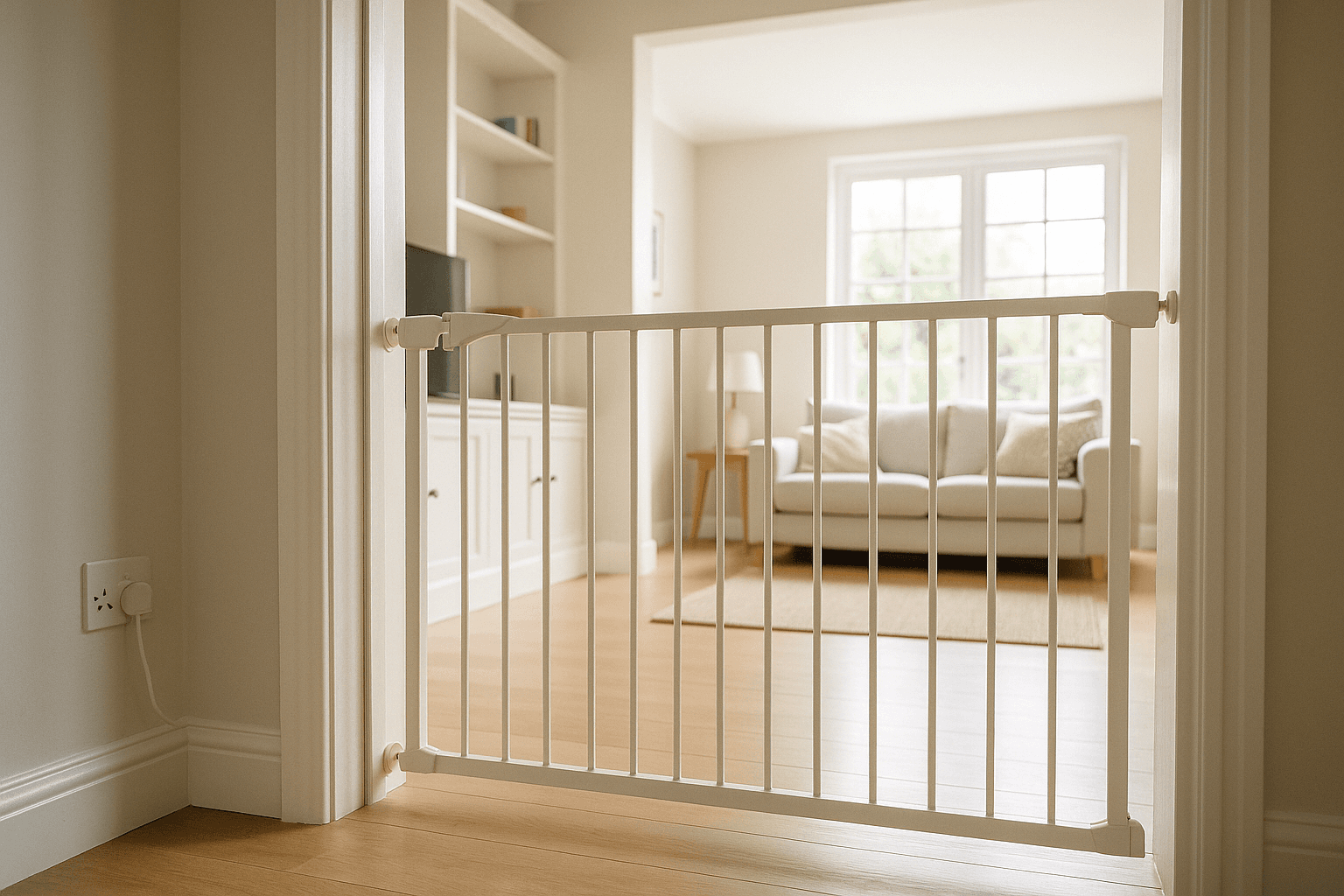
Furniture and soft furnishings: Puppies can trap themselves behind or beneath furniture. Block gaps behind sofas and large appliances. Recliner chairs and sofa beds are a particular hazard: always check before operating any mechanism.
The Bathroom
Medications: All medications, human and veterinary, must be stored out of reach. Ibuprofen, paracetamol and antidepressants are among the most common causes of dog poisoning in the UK. Do not leave medication on worktops.
Cleaning products: Toilet cleaners, bleach, drain unblockers and bathroom sprays are all toxic if ingested. Store in a locked cupboard or one with a child-proof catch.
The toilet: Lid down, always. Toilet cleaning blocks dissolve into the water and are toxic. Puppies can also drown in a toilet bowl.
Razors and dental products: Some toothpastes contain xylitol. Razors can cause mouth and paw injuries. Keep out of reach.
The Garden
The garden requires as much attention as the house.
Fencing: Walk the full perimeter at puppy height. A 10-week-old puppy can squeeze through gaps of 6 to 8cm. Check under fences, around gate hinges and where panels meet. Temporary puppy fencing or garden netting can fill gaps while permanent repairs are made.
Toxic garden plants: Common UK garden plants toxic to dogs include:
- Daffodils and other bulbs (all parts)
- Bluebells
- Foxglove (highly toxic)
- Rhododendron and azalea
- Yew (all parts, rapidly fatal)
- Lily of the valley
- Laburnum
- Conkers (horse chestnut)
- Oak (acorns and leaves)
- Ivy
Do not assume a plant is safe because it grows in a garden. If you are unsure about a specific plant, the Animal Poison Line (0300 999 0077) can advise.
Garden chemicals: Slug pellets containing metaldehyde are highly toxic and were a common cause of dog poisoning in the UK before restrictions came into force. Metaldehyde pellets are now banned for amateur use in the UK, but older stocks may still be in sheds. Dispose of any old slug pellets and switch to dog-safe alternatives such as iron phosphate products. Store all pesticides, herbicides and fertilisers in a locked shed or cabinet.
Water features: Ponds and water features pose a drowning risk for young puppies. Fence off or cover until your puppy is older and can self-rescue. Check for blue-green algae in warm weather: it is lethal and has no antidote.
Compost heaps: Compost contains mould that produces mycotoxins, which are highly toxic to dogs. Fence off the compost area entirely.
The Garage and Shed
Antifreeze (ethylene glycol): the single most common cause of fatal dog poisoning in the UK. It has a sweet taste that attracts dogs and even a small amount causes irreversible kidney failure. Store in a locked cupboard and clean up any spills immediately. Consider switching to propylene glycol antifreeze, which is significantly less toxic.
Tools and sharp objects: store out of reach. This includes garden tools, which puppies may chew or injure paws on.
Petrol and oils: lock away. Even skin contact can cause chemical burns.
What to Do in an Emergency
If you suspect your puppy has ingested something toxic:
- Do not wait for symptoms to appear. Many toxins show no immediate signs.
- Call your vet immediately or, out of hours, an emergency vet.
- Call the Animal Poison Line: 0300 999 0077. This is a 24-hour service run by the Veterinary Poisons Information Service (VPIS). There is a per-call charge (around £35) but it provides expert triage and is worth every penny.
- Do not induce vomiting unless specifically instructed by a vet.
- Take the packaging of whatever was ingested to the vet with you.
For broader guidance on your puppy's first weeks at home, see our New Puppy Guide and our Dog Health Hub for what signs warrant an emergency vet visit.
Frequently Asked Questions
At what age can I give my puppy more freedom in the house?
Gradually, as they demonstrate reliability. Most puppies can be trusted in one or two rooms unsupervised by around 6 months, and in more of the house by 12 months. This depends heavily on the individual dog and breed. Terriers and spaniels typically take longer than calmer breeds.
Is bitter spray effective for stopping chewing?
It works for many puppies but not all. Apply it to cables and furniture legs and reapply regularly, as it wears off. Some puppies seem unbothered by the taste. For those dogs, physical barriers (cable tidies, furniture protectors) are more reliable.
My puppy has eaten something. How do I know if it is serious?
Call your vet or the Animal Poison Line (0300 999 0077). Do not try to determine severity from internet searches: some highly toxic substances cause no immediate symptoms. It is always better to call and be told it is not a concern than to wait and find it was serious.
Are indoor plants really dangerous for dogs?
Yes, many common UK houseplants are toxic. Peace lily, pothos, philodendron and dracaena are among the most popular houseplants and all are harmful to dogs. The Blue Cross publishes a comprehensive toxic plant list at bluecross.org.uk.
How do I stop my puppy getting behind the sofa?
Block the gap with furniture, storage boxes or purpose-made furniture gap fillers. Most puppies grow out of wanting to squeeze behind furniture by 4 to 5 months, but the habit of denning in tight spaces can persist in some breeds.
Is my garden fence high enough for a puppy?
Height is less of a concern than gaps. A standard 6-foot garden fence is tall enough for most breeds as adults, but gaps at ground level are the primary escape route for puppies. Check the full perimeter at ground level, not just fence height.
Frequently Asked Questions
Gradually, as they demonstrate reliability with toileting and chewing. Most puppies can be trusted in one or two rooms unsupervised by around 6 months, and in more of the house by 12 months. This varies significantly by individual dog and breed.
It works for many puppies but not all. Apply to cables and furniture legs and reapply regularly as it wears off. For puppies unbothered by the taste, physical barriers such as cable tidies and furniture protectors are more reliable.
Call your vet or the Animal Poison Line (0300 999 0077) immediately. Do not try to determine severity from internet searches: some highly toxic substances cause no immediate symptoms. It is always better to call and be reassured than to wait.
Yes. Peace lily, pothos, philodendron and dracaena are among the most popular UK houseplants and all are harmful to dogs. The Blue Cross publishes a comprehensive toxic plant list at bluecross.org.uk.
Block the gap with furniture, storage boxes or purpose-made gap fillers. Most puppies grow out of squeezing behind furniture by 4 to 5 months, but the habit can persist in some breeds.
Height is less of a concern than gaps. Check the full perimeter at ground level for gaps of 6cm or more. A standard 6-foot fence is adequate for most breeds as adults, but ground-level gaps are the primary escape route for puppies.
More from Puppy Care
Puppy Socialisation Checklist: The Critical 16-Week Window
The puppy socialisation window runs from 3 to 16 weeks of age. During this period, positive exposure to people, animals, sounds and environments shapes a dog's temperament for life. Missing this window is one of the leading causes of fear-based behavioural problems in adult dogs.
Read guide →
UK Puppy Vaccination Schedule: What, When and How Much
The UK puppy vaccination primary course starts at 8 weeks and covers parvovirus, distemper, infectious hepatitis and leptospirosis in two doses given 2 to 4 weeks apart. The course costs £60 to £120 at most UK practices, with full protection established 1 to 2 weeks after the final dose.
Read guide →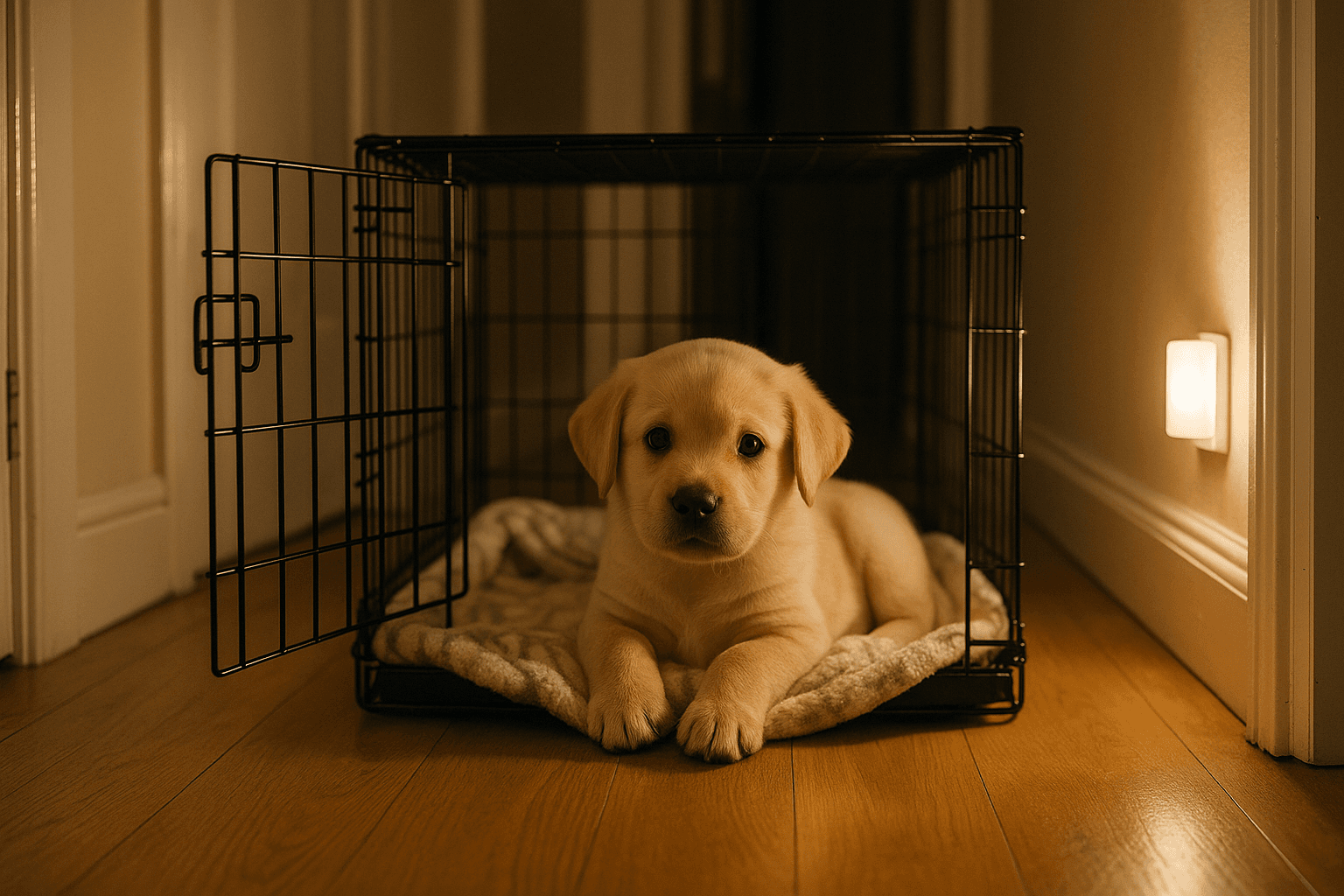
Your Puppy's First Night Home: What to Expect
A puppy's first night home will usually involve some crying as they adjust to being away from their mother and littermates. Place the crate in your bedroom, take a toilet trip immediately before bed, and respond calmly overnight rather than leaving them to cry. Most puppies settle significantly within 3 to 7 nights.
Read guide →