

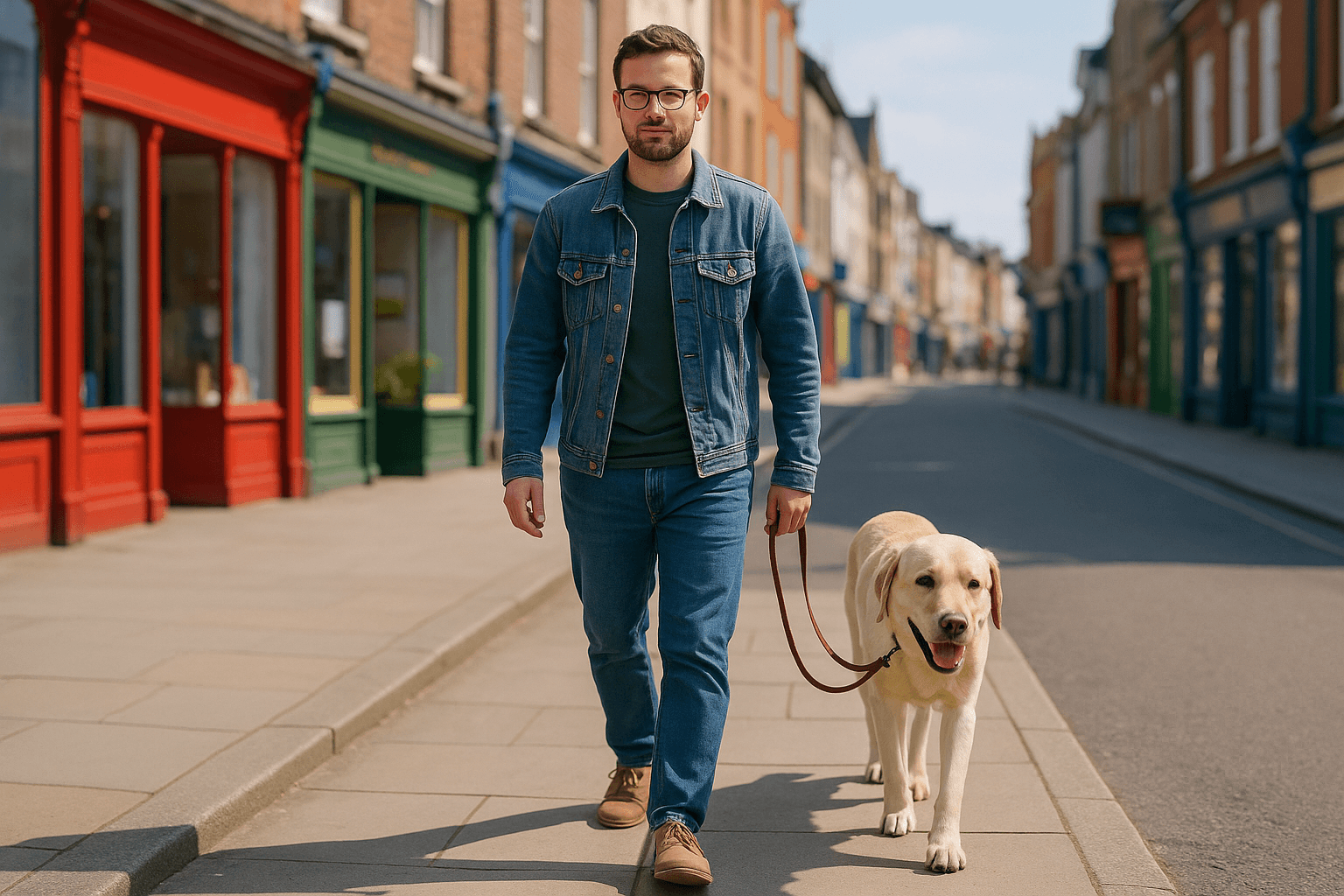
Loose Lead Walking: A Step-by-Step UK Guide
Quick answer
Loose lead walking is trained using the stop-start method: stop the moment the lead tightens, move forward the moment it slackens. A front-clip harness or head collar helps manage pulling while training is underway. Consistent application by everyone who walks the dog is the single most important factor in how quickly the behaviour changes.
Loose Lead Walking: A Step-by-Step UK Guide
A dog that walks on a loose lead is a pleasure. A dog that pulls is exhausting, and pulling on the lead is one of the most common reasons dogs are walked less than they should be. The good news is that pulling is almost always a training problem, not a breed defect: it works, so the dog does it. This guide gives you the method, the equipment, and the realistic timeline.
Why Dogs Pull
Dogs pull because it has always worked. The lead goes tight, the owner keeps moving forward, and the dog reaches the interesting smell faster. From the dog's perspective, pulling is a highly effective strategy.
The solution is to make pulling ineffective. The moment the lead tightens, forward motion stops. The moment the dog returns to a position where the lead is loose, forward motion resumes. Applied consistently by everyone who walks the dog, this retrains the behaviour in a matter of weeks.
The challenge is the word "consistently". One family member allowing pulling undermines everyone else's work. A lead walk where pulling sometimes works is a lead walk where the dog will keep trying.
Choosing the Right Equipment
Front-clip harness: the most commonly recommended starting point. When the dog pulls, the clip at the front of the chest redirects them sideways rather than allowing them to use their full body weight to drive forward. Brands commonly recommended by UK trainers include Julius-K9, Ruffwear and Mekuti. Ensure a proper fit: a harness that slips or rubs will cause discomfort.
Head collar (Halti, Gentle Leader, Dogmatic): controls the head, which controls the direction. Very effective for large, powerful dogs or dogs that have developed significant pulling habits. Most dogs require a careful introduction period (days to weeks of gradual acclimatisation) before accepting the head collar. Do not rush this stage.
Standard flat collar: appropriate for dogs that walk reasonably well already. Not suitable for managing a strong puller, and can cause tracheal damage in dogs that pull heavily.
Avoid:
- Slip leads used to jerk or tighten on a pulling dog
- Choke chains and prong (pinch) collars: these cause pain and injury, are associated with increased anxiety and aggression, and are increasingly subject to restrictions in the UK and Europe
The Stop-Start Method: Step by Step
This is the foundation method. It works for most dogs given consistent application.
Step 1: Establish your position Decide where you want your dog to walk: typically beside or just behind your left or right leg, with the lead hanging loose. Use a treat to lure your dog into this position initially, then reward them for being there.
Step 2: One step at a time Take one step forward. If the lead stays loose, mark the moment (use a verbal "yes" or a clicker) and reward. If the lead goes tight before you have taken the step, do not take the step. Wait.
Step 3: Stop the moment the lead tightens Plant your feet. Do not pull back. Do not walk forward. Simply stop. Wait for your dog to turn back towards you or step back to create slack. The instant there is slack, move forward again.
Step 4: Change direction frequently Changing direction keeps your dog's attention on you because they cannot predict where you are going. Use a verbal cue ("this way") as you turn. Reward generously for following you through a turn.
Step 5: Build duration and distance As your dog begins to understand that pulling produces no forward movement, gradually extend the distance between rewards. Early sessions may produce only five or ten steps of loose lead walking: this is normal. Build from there.
Key Tips for Success
Short sessions: 5 to 10 minutes of focused loose lead training is more effective than a 30-minute walk where pulling is half-tolerated. Do your training session first, then allow some free sniffing time on the long line or in a safe area.
High-value rewards: you are competing with the smells, sights and sounds of the outside world. Kibble is rarely sufficient. Use small pieces of chicken, cheese or hot dog.
Reward position, not just absence of pulling: actively reward your dog for being in the correct walking position, not just for not pulling. This teaches them what you want, not just what you do not want.
Be boring on the lead: the lead walk is for training. Put your phone away. Be the most interesting thing on the walk.
Let them sniff: dogs need to sniff. Use a release cue ("go sniff") to allow your dog to investigate smells during the walk: this makes the structured walking period more bearable for them. Sniff time on a loose lead or long line is not a reward for pulling: give it deliberately, not when the lead is tight.
Breed-Specific Notes
Labradors: bred to retrieve and move forward at pace. Pulling is deeply natural. Front-clip harness and high-value rewards. Labradors respond very well to training once motivated, but the consistency requirement is non-negotiable.
German Shepherds: strong and fast. Head collars are often the most practical management tool for established pullers while training is underway. Highly trainable: once they understand the game, they pick it up fast.
Huskies and Malamutes: bred to pull. A front-clip harness helps management but expect this to be a longer project than with most breeds. Some Husky owners use a head collar from an early age. Off-lead walking in safe areas (secure fields) reduces dependence on on-lead walks.
Bulldogs, Pugs and brachycephalic breeds: avoid anything that puts pressure on the neck or throat. A front-clip harness is essential. Monitor breathing during exercise.
Puppies: start the moment the puppy comes home. A puppy that is never allowed to pull successfully will not develop the habit. Short, positive sessions with high reward rates.
The APDT UK recommends positive reinforcement-based loose lead training as the standard approach and advises against any equipment that works through pain or discomfort. If you are struggling, an APDT or IMDT member can assess your specific dog and situation.
For broader training guidance see our Dog Training Hub, and for recall training see How to Train Recall.
Frequently Asked Questions
How long will it take to train loose lead walking?
For a puppy with no pulling history: a few weeks of consistent work. For an adult dog with an established pulling habit: typically 6 to 12 weeks of consistent training to see a reliable improvement. The timeline depends heavily on how consistently everyone who walks the dog applies the method.
My dog is fine walking calmly, then lunges suddenly. What do I do?
Lunging is usually triggered by a specific thing: another dog, a squirrel, a jogger. The trigger is the thing to work on. Increase distance from the trigger to a level where your dog can notice it but remain functional. Reward heavily for looking at the trigger and then looking back at you. This is called "look at that" training and is effective for reactive dogs.
Is a head collar cruel?
No, when introduced correctly and used without jerking or yanking. The discomfort some dogs show initially is adjustment to a novel sensation, not pain. A proper introduction over days to weeks, pairing the head collar with treats, makes most dogs comfortable. A head collar that fits poorly or is used harshly causes problems.
Can I use a harness and collar at the same time with a double-ended lead?
Yes. A double-ended lead clipped to both a front-clip harness and a collar gives you control and a safety backup. This is a common setup for reactive dogs or strong pullers in busy environments.
My dog walks perfectly when I have treats but pulls when I do not. How do I fix this?
Treats need to be faded gradually, not removed suddenly. Move to rewarding every third or fourth good moment rather than every step, then increase the ratio. Also vary what you reward with: sometimes treats, sometimes verbal praise, sometimes a game. Unpredictable rewards produce more durable behaviour than consistent ones.
Should I walk on the left or the right?
Traditionally dogs walk on the left in the UK (the handler's left side). This is the convention in obedience and Kennel Club activities. For everyday walks, the side does not matter as long as you are consistent. Changing sides confuses dogs during training.
Frequently Asked Questions
For a puppy with no pulling history: a few weeks. For an adult dog with an established pulling habit: typically 6 to 12 weeks of consistent training. The timeline depends heavily on how consistently everyone who walks the dog applies the method.
Lunging is usually trigger-specific. Increase distance from the trigger to a level where your dog can notice it but remain functional. Reward heavily for noticing the trigger and then looking back at you. This is called 'look at that' training.
No, when introduced correctly and used without jerking. Initial discomfort is adjustment to a novel sensation, not pain. A proper introduction over days to weeks, pairing the head collar with treats, makes most dogs comfortable.
Yes. A double-ended lead clipped to both a front-clip harness and a collar gives control and a safety backup. This is a common setup for reactive dogs or strong pullers in busy environments.
Fade treats gradually, not suddenly. Move from rewarding every step to every third good moment, then increase the ratio further. Vary what you reward with: treats, praise, play. Unpredictable rewards produce more durable behaviour than consistent ones.
Traditionally on the left in the UK, which is the Kennel Club and obedience convention. For everyday walks the side does not matter as long as you are consistent: changing sides during training causes confusion.
More from Dog Training
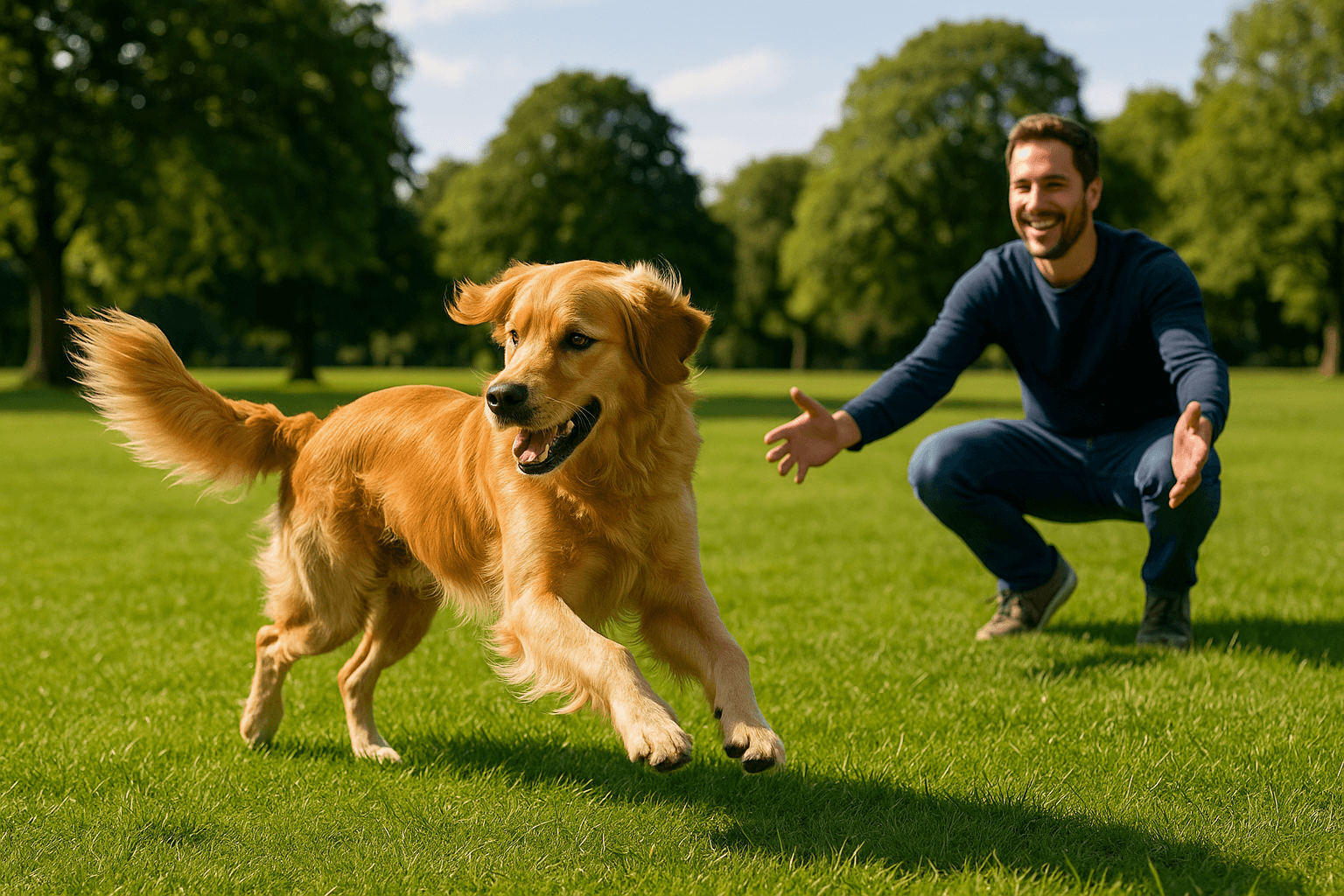
How to Train Recall: The Most Important Skill Your Dog Will Learn
Training a reliable dog recall requires charging the cue indoors first, then building up through a long line to real-world environments gradually. Never call your dog for something they dislike, always reward a return regardless of speed, and use high-value treats like chicken or cheese rather than kibble when competing with outdoor distractions.
Read guide →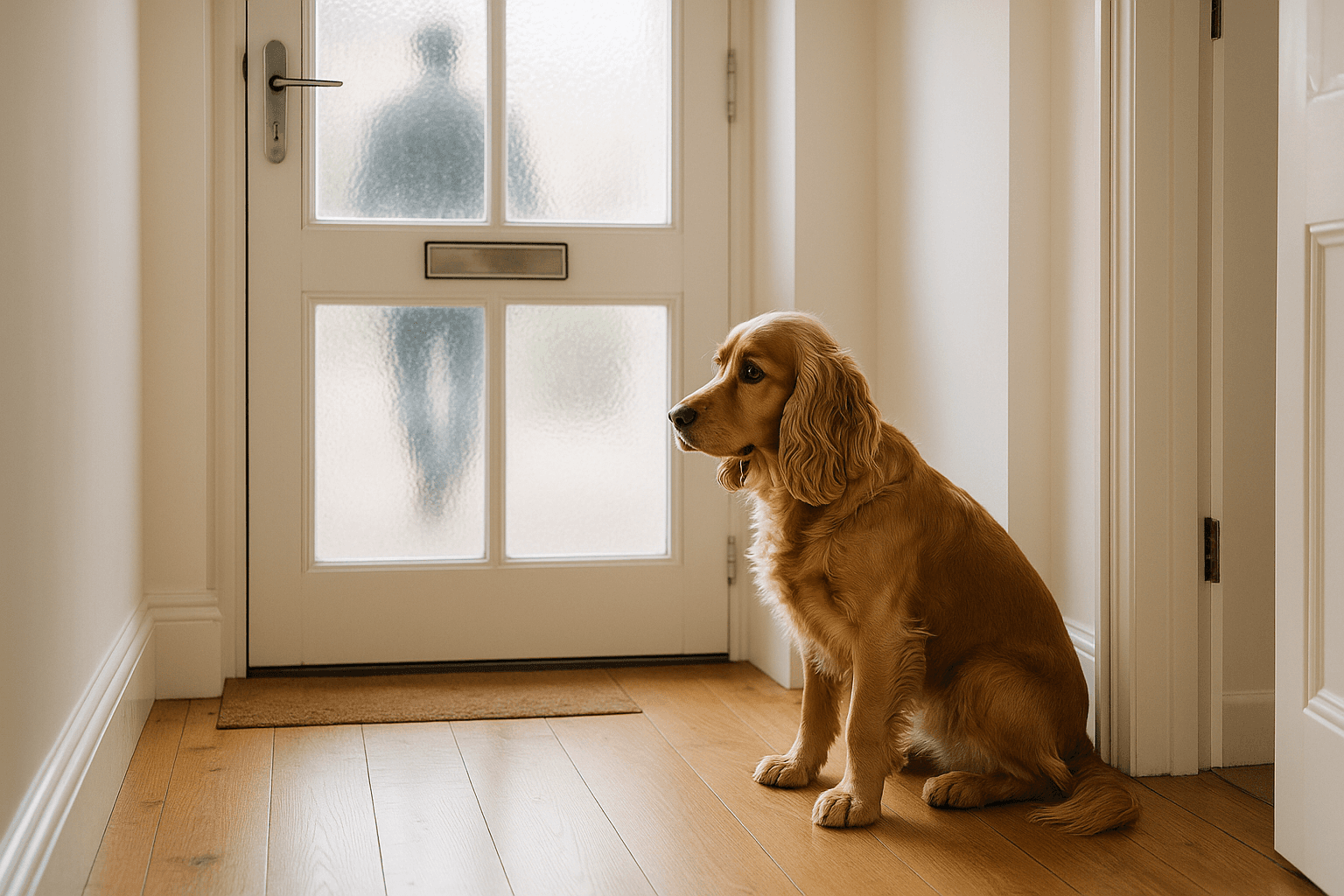
Dog Separation Anxiety: The Complete UK Guide
Separation anxiety is the most common behaviour problem in UK dogs, affecting approximately 50% of dogs according to Dogs Trust research. Signs include barking, destructive behaviour, and toileting when left alone. Treatment combines gradual alone-time training, environmental management, and in some cases calming supplements or veterinary support.
Read guide →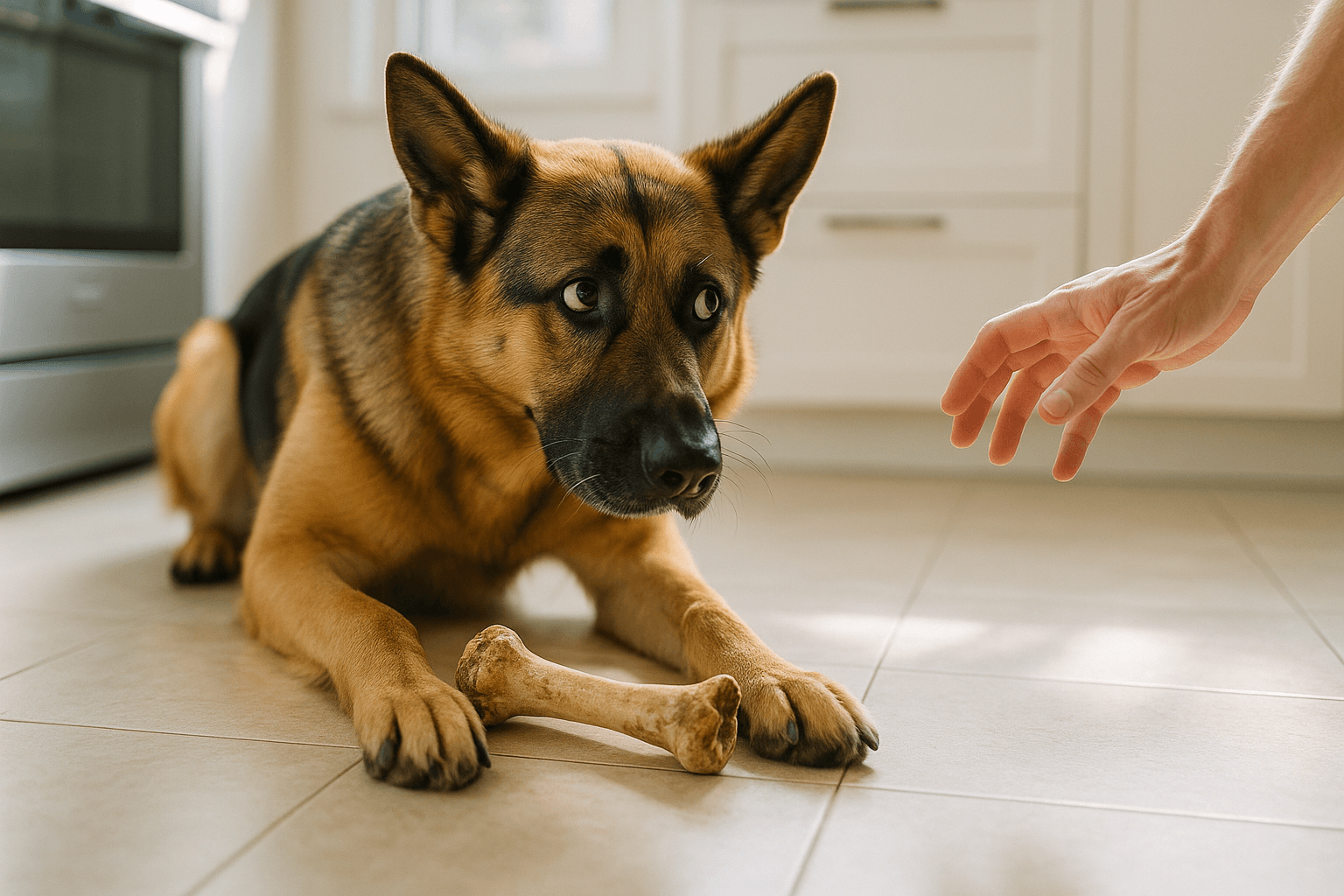
Resource Guarding in Dogs: What It Is and How to Address It
Resource guarding is a normal canine behaviour that becomes a problem when intense or frequent. Punishment suppresses warning signals without changing the underlying feeling, making the dog more dangerous. The safe approach is management first, then counter-conditioning: teaching the dog that human approach near their resources predicts good things arriving.
Read guide →