

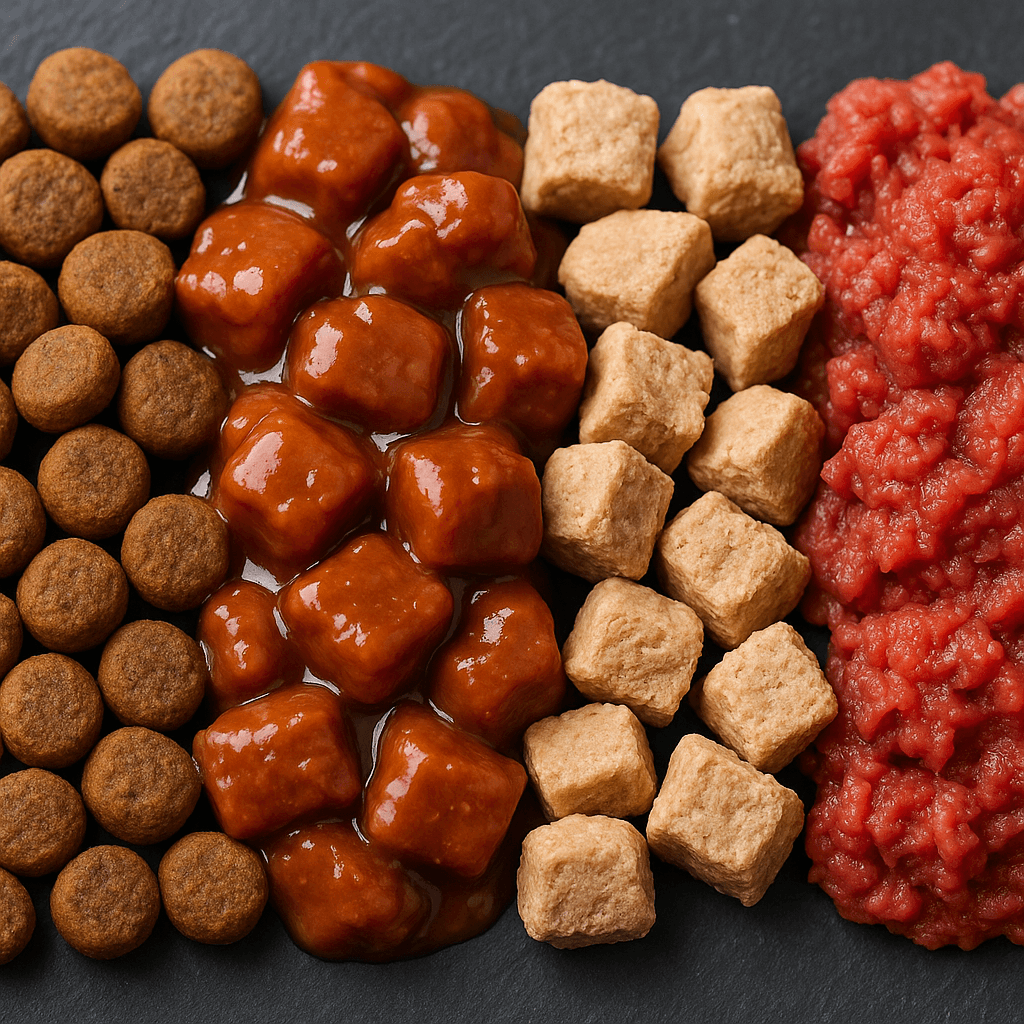
Dog Food Ingredients Explained: How to Read a Label
Quick answer
Dog food ingredients are listed in descending order by weight before processing. A named meat source (such as chicken or salmon) should appear first on a complete food. Vague terms like "meat and animal derivatives" are legal but lower quality than named sources. Check for the "complete" label to ensure the food meets all nutritional requirements.
The Legal Requirements
Dog food sold in the UK must comply with the Animal Feed Regulations 2010. Every complete dog food must carry: ingredients in descending order by weight before processing, analytical constituents, a feeding guide, and a statement of whether the food is complete or complementary.
How the Ingredients List Works
Ingredients are listed by weight before processing. This matters for meat-based ingredients, which contain a high proportion of water.
Fresh chicken is approximately 70% water by weight. After cooking, the actual protein contribution is much lower than the raw percentage suggests. This is why you cannot simply compare percentages between a fresh food and a dry food -- moisture content changes the calculation entirely.
Named vs Unnamed Ingredients
Named meat sources: "Chicken," "salmon," "lamb," "beef." You know exactly what protein you are feeding. Higher quality, more consistent.
Unnamed sources: "Meat and animal derivatives," "animal by-products," "poultry." Legal, but the composition can change batch to batch based on what is cheapest or most available.
Key Ingredients to Look For
Named meat first. Named oils (salmon oil, sunflower oil). Whole vegetables and fruits. Egg (a highly digestible protein source).
Ingredients to Be Cautious Of
Cereals or derivatives of vegetable origin in the top three ingredients. Artificial colours (E102, E110, E122, E123, E124, E129). Synthetic preservatives BHA and BHT -- natural alternatives such as mixed tocopherols are preferable. Added sugar, glucose syrup, or molasses.
The Analytical Constituents Panel
| Nutrient | Typical range (adult dry food) |
|---|---|
| Crude protein | 18 to 35% |
| Crude fat | 8 to 20% |
| Crude fibre | 1 to 5% |
| Moisture | 6 to 12% (dry) / 70 to 85% (wet) |
Complete vs Complementary
Complete: Contains all nutrients a dog needs in correct proportions. Can be fed as the sole diet.
Complementary: Designed to be fed alongside another food. Not nutritionally balanced on its own. Check every product -- a premium-looking wet food can still be complementary.
FEDIAF Nutritional Guidelines
Reputable UK manufacturers formulate to FEDIAF (Federation of European Companion Animal Food Industries) nutritional guidelines -- the primary standard for pet food in Europe, updated in 2024. If a food is labelled complete, it should meet these standards. See: fediaf.org
Frequently Asked Questions
Chicken meal is dehydrated chicken with the water removed. Because it is measured dry, the protein contribution is actually higher per gram than fresh chicken listed at the same percentage. Chicken meal as a first ingredient in a dry food is a positive sign.
Not inherently. By-products can include hearts, livers, and kidneys -- nutritious organ meats. Named by-products such as chicken liver or beef heart are preferable to unnamed meat by-products.
In UK pet food labelling, natural means ingredients that have not been chemically synthesised. It does not guarantee quality, nutritional completeness, or ethical sourcing.
No. Protein percentage tells you quantity, not quality or digestibility. A food with 35% crude protein from poor-quality sources may be less nutritionally valuable than one with 26% protein from highly digestible named meat.
Yes. The first five ingredients make up the majority of the food by weight. If the first two are cereals, the food is predominantly cereal-based. If the first two are named meat sources, it is protein-led.
More from Dog Nutrition
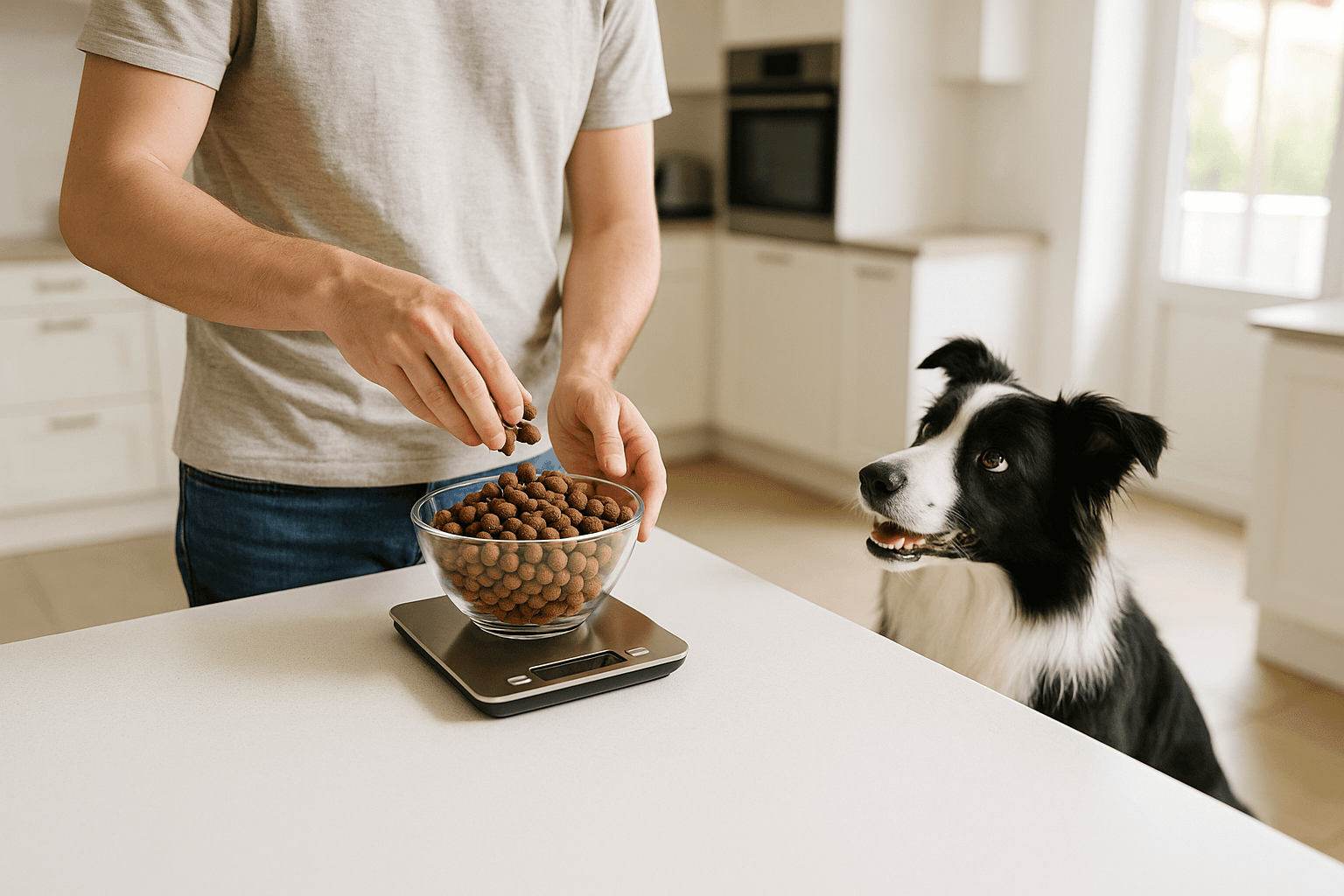
How Much Should I Feed My Dog?
How much to feed your dog depends on their weight, age, activity level, and the type of food you are using. Most adult dogs need two meals per day. Always start with the manufacturer's feeding guide on the packaging, then adjust based on your dog's body condition score -- not by whether they seem hungry.
Read guide →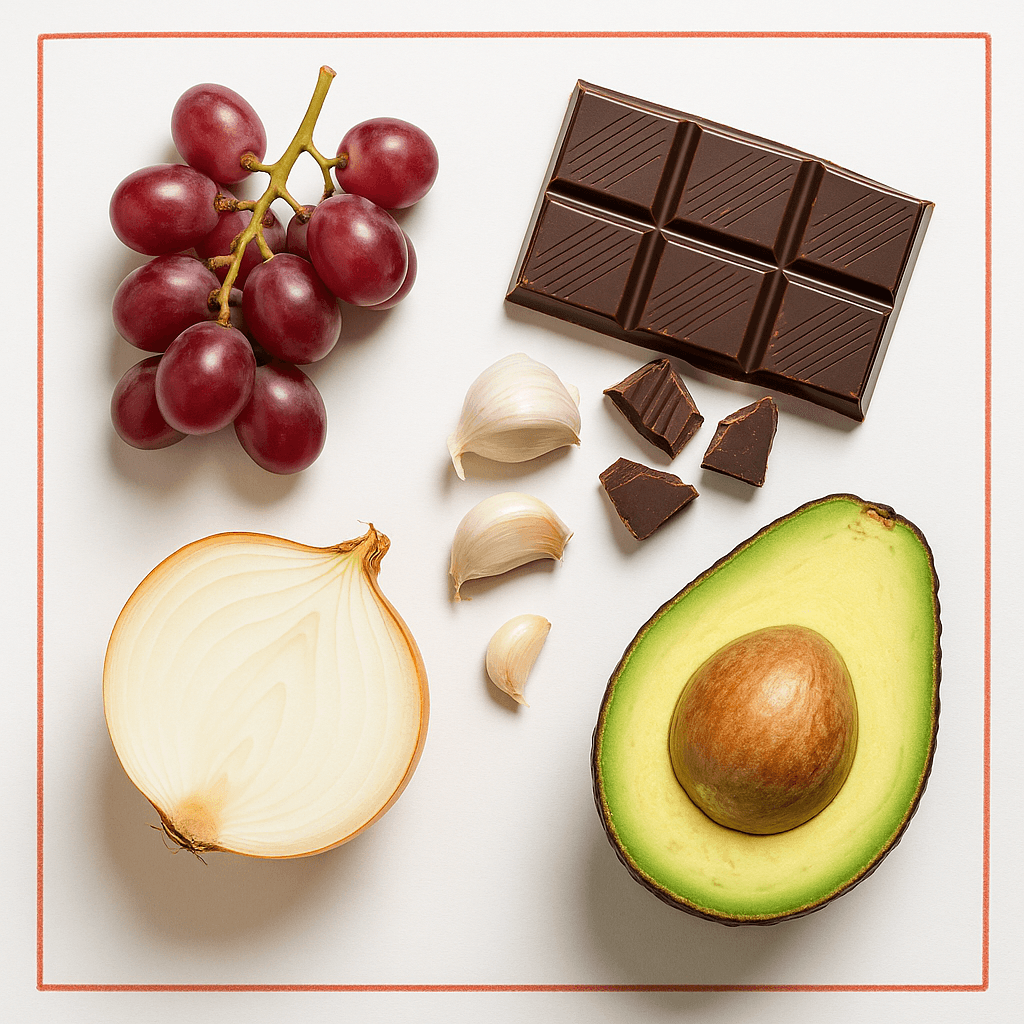
Foods Dogs Cannot Eat: The UK Owner's Safety Guide
The most dangerous foods for dogs in the UK are grapes and raisins (can cause fatal kidney failure), xylitol (in some peanut butters and sugar-free products, causes blood sugar crash and liver failure), chocolate (theobromine toxicity), and alliums including onions and garlic. If your dog eats any of these, call your vet or the Animal Poison Line on 0300 999 0077 immediately without waiting for symptoms.
Read guide →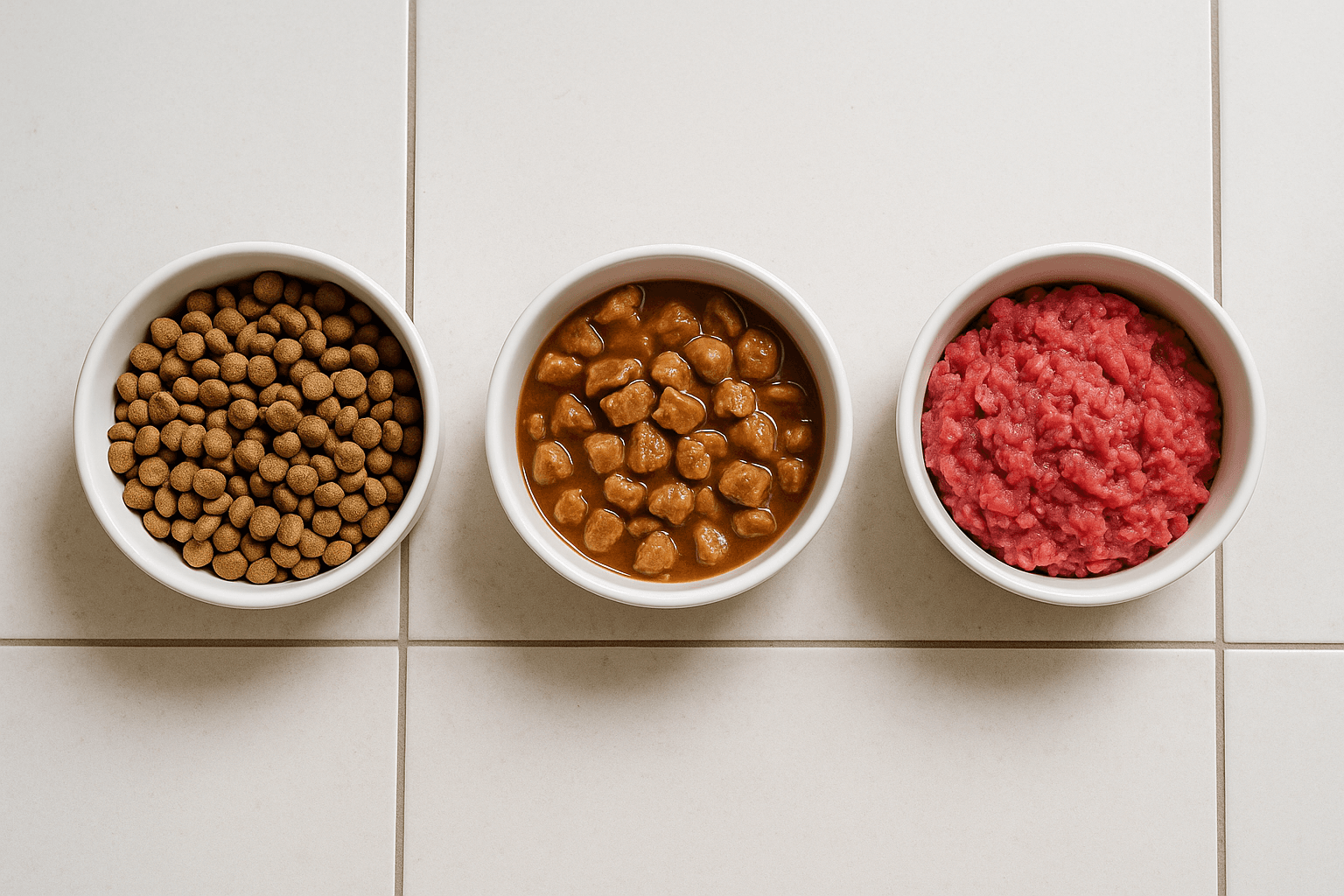
How to Choose Dog Food UK: Ingredients, Labels and Life Stages Explained
The best dog food for your dog depends on their age, breed, health, and your budget. Look for a named meat source as the first ingredient, choose a food labelled "complete" rather than "complementary," and ensure it meets FEDIAF nutritional guidelines. Fresh, air-dried, and raw options are growing in popularity alongside traditional dry and wet food.
Read guide →