

Foods Dogs Cannot Eat: The UK Owner's Safety Guide
Quick answer
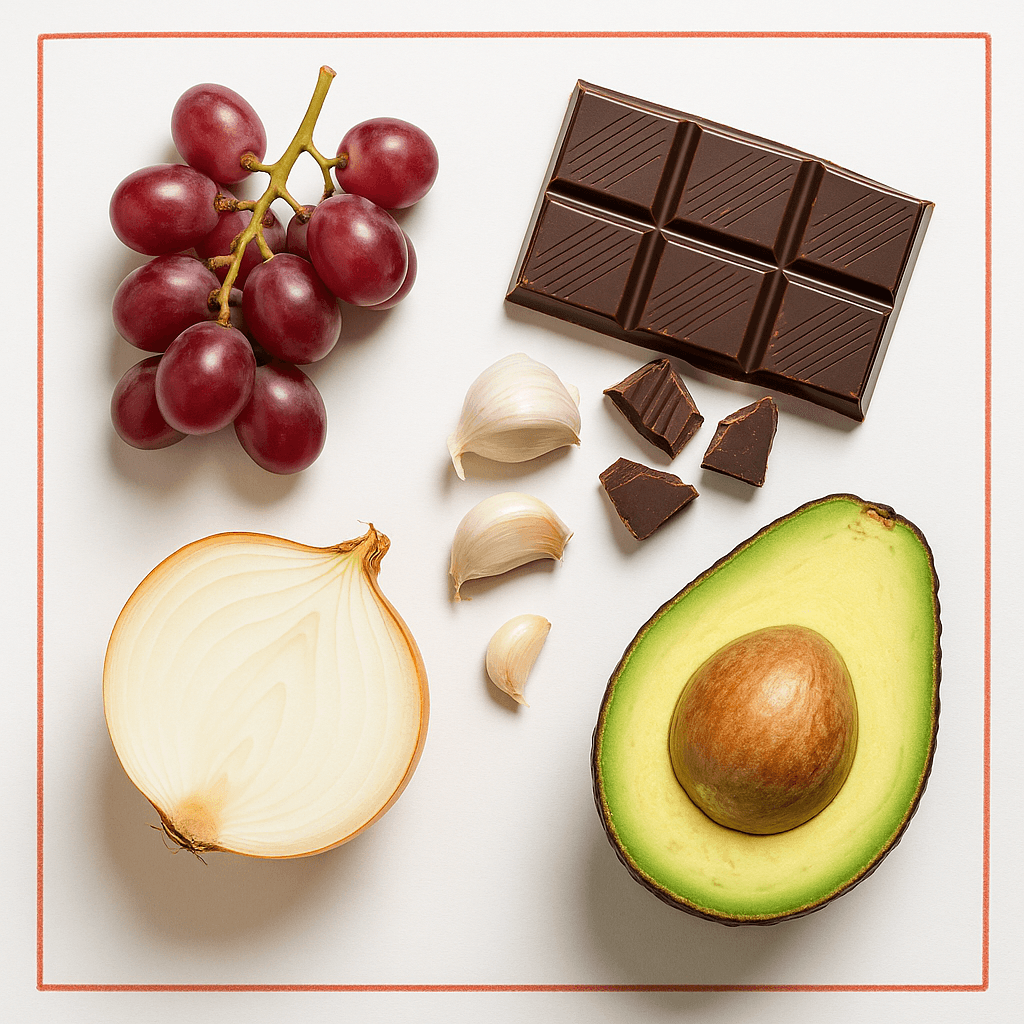
The most dangerous foods for dogs in the UK are grapes and raisins (can cause fatal kidney failure), xylitol (in some peanut butters and sugar-free products, causes blood sugar crash and liver failure), chocolate (theobromine toxicity), and alliums including onions and garlic. If your dog eats any of these, call your vet or the Animal Poison Line on 0300 999 0077 immediately without waiting for symptoms.
Foods Dogs Cannot Eat: The UK Owner's Safety Guide
A significant number of common human foods are toxic to dogs. Some cause mild digestive upset at low doses; others can cause kidney failure, liver failure or death in small amounts. This guide covers the most important ones: what makes them dangerous, the level of risk, and exactly what to do if your dog eats something harmful.
If Your Dog Has Eaten Something Toxic
Act immediately. Do not wait for symptoms.
Many toxins cause no visible signs for hours or days. By the time symptoms appear, organ damage may have already occurred.
- Call your vet immediately, or if outside hours, an emergency vet
- For suspected poisoning, also call the Animal Poison Line: 0300 999 0077 (available 24 hours a day, 7 days a week; run by the Veterinary Poisons Information Service; there is a per-call charge of approximately £35)
- Do not induce vomiting unless specifically instructed by a vet or the Poison Line
- Note what was eaten, approximately how much, and when
- Take the packaging to the vet with you
Emergency Level Toxins: Seek Veterinary Care Immediately
These foods can cause severe harm or death even in small quantities. There is no safe dose.
Grapes and raisins (including sultanas and currants) Mechanism not fully understood, but even small amounts can cause acute kidney failure in dogs. The toxic dose varies unpredictably between individual dogs: a grape that causes no harm to one dog may be fatal to another. All grape products are included: raisins, sultanas, currants, grape juice and foods containing them (Christmas cake, mince pies, hot cross buns).
Xylitol An artificial sweetener found in some peanut butters, chewing gum, sweets, baked goods and some medications (including some human vitamin supplements and mouthwashes). Causes rapid, severe hypoglycaemia (low blood sugar) in dogs by triggering insulin release, followed by potential liver failure. The difference in effect between dogs and humans is significant: amounts that are negligible to humans can be fatal to dogs. Check peanut butter labels carefully: xylitol is increasingly used in "natural" and low-sugar products.
Chocolate Contains theobromine, which dogs cannot metabolise efficiently. Dark chocolate contains far more theobromine than milk chocolate; white chocolate contains very little. Signs of chocolate toxicity include vomiting, diarrhoea, restlessness, muscle tremors, seizures and heart arrhythmias. Even milk chocolate in quantities relative to body weight is a concern: a 5kg dog that eats a standard-sized milk chocolate bar requires veterinary attention.
Macadamia nuts Cause weakness, vomiting, tremors and fever within 12 hours of ingestion. The mechanism is not fully understood. Recovery is usually possible but veterinary assessment is needed.
Onions, garlic, leeks and chives (all alliums) Contain compounds that damage red blood cells, causing haemolytic anaemia. All forms are toxic: raw, cooked and powdered. Garlic powder is particularly concentrated. Signs may not appear for several days after ingestion. Repeated small exposures are cumulative: a dog fed food containing garlic powder over time can develop anaemia.
Significant Risk: Contact Your Vet for Guidance
These foods pose real risk but at lower doses may not cause immediate life-threatening harm. Veterinary advice is still recommended.
Avocado Contains persin, which can cause vomiting and diarrhoea. The flesh contains lower persin concentrations than the skin and pit, but all parts should be avoided. The pit is also a choking and obstruction hazard.
Alcohol Dogs are significantly more sensitive to alcohol than humans. Even small amounts can cause vomiting, disorientation, breathing difficulties and coma. Beer, wine, spirits and foods cooked with alcohol are all risks.
Caffeine Found in coffee, tea, energy drinks, some medications and chocolate. Causes restlessness, rapid breathing, muscle tremors and seizures. The toxic dose is lower than for chocolate theobromine.
Cooked bones Cooked bones of any type (chicken, lamb, pork) splinter into sharp fragments that can cause mouth injuries, choking, gastrointestinal perforation or obstruction. Raw bones are a separate discussion and carry different risks.
Nutmeg Contains myristicin, which causes disorientation, increased heart rate, seizures and hallucinations in dogs. Quantities typically found in baked goods are probably too low to cause severe toxicity but should be avoided.
Salt (in large quantities) Excessive salt causes increased thirst, urination, vomiting, diarrhoea and, in severe cases, sodium ion poisoning. Foods very high in salt (crisps, processed meats, salted nuts) should be avoided.
Foods That Are Often Cited but Less Concerning
These foods are sometimes listed as toxic to dogs but the risk at typical exposure levels is considerably lower. They should still be avoided, but a small incidental exposure is less likely to require emergency veterinary attention.
Apple seeds and cherry pits: contain cyanide compounds, but the quantity in a few seeds is very small. A dog eating apple flesh is fine; eating a large quantity of seeds or cherry pits warrants a call to your vet.
Tomatoes: the ripe red flesh is not significantly toxic. The green parts of the plant (stem, leaves, unripe fruit) contain solanine, which is harmful in quantity. A dog stealing a ripe tomato is not an emergency.
Dairy in large quantities: many dogs are lactose intolerant and will get diarrhoea from milk, cheese or yoghurt in quantity. Small amounts as treats are fine for most dogs.
Citrus: the oils and peel can cause mild digestive upset. A small amount of citrus flesh is unlikely to cause serious harm.
Seasonal UK Hazards Worth Knowing
Christmas: mince pies and Christmas cake contain raisins and currants (emergency level). Chocolate gifts and advent calendars. Alcohol in food and drinks. Keep all of these well out of reach.
Easter: chocolate eggs and hot cross buns (containing currants) are the main risks. Easter remains one of the most common periods for chocolate toxicity calls to emergency vets.
Autumn: acorns (oak) cause vomiting, diarrhoea and, in large quantities, kidney damage. Conkers (horse chestnut) cause similar symptoms. Both are common in autumn walks.
Barbecues: cooked bones, onion-marinated meat, alcohol, corn cobs (obstruction risk) and fruit including grapes.
For guidance on puppy-proofing your home against toxic substances, see our Puppy-Proofing Checklist. For broader food guidance, see our Dog Food Guide.
Frequently Asked Questions
My dog ate a grape. What should I do?
Call your vet or the Animal Poison Line (0300 999 0077) immediately. Do not wait for symptoms: kidney damage from grape toxicity can be underway before any signs appear. The toxic dose varies between individual dogs, so no amount is safe.
Is peanut butter safe for dogs?
Plain peanut butter without xylitol is safe for most dogs in small amounts. Check the ingredients list carefully: xylitol is increasingly used in natural and low-sugar peanut butters and is extremely toxic to dogs. If the label lists xylitol or "sugar alcohols," do not use it.
My dog ate onion in a cooked meal. Is this dangerous?
It depends on the quantity relative to the dog's body weight. A small amount of onion in a meal is less likely to cause acute toxicity than a large amount, but allium toxicity is cumulative and repeated exposure adds up. Contact your vet if a significant quantity was eaten, or if your dog regularly receives food containing onion or garlic powder.
Can dogs eat any human food safely?
Yes. Many human foods are safe for dogs in moderation: cooked chicken, plain cooked rice, carrots, green beans, blueberries, watermelon (without seeds), cooked eggs and plain cooked fish are all commonly given as treats. The issue is specific toxins in specific foods, not human food as a category.
What is the Animal Poison Line and is it worth calling?
The Animal Poison Line (0300 999 0077) is a 24-hour service run by the Veterinary Poisons Information Service, the same organisation that advises UK vets on toxicology. They provide rapid triage based on what was eaten, the dog's weight and the quantity consumed. The per-call charge (approximately £35) is worth paying: they may be able to confirm a low-risk ingestion and prevent an unnecessary emergency vet trip, or identify a high-risk situation that needs immediate attention.
Is dark chocolate more dangerous than milk chocolate?
Yes, significantly. Dark chocolate and cocoa powder contain far higher concentrations of theobromine than milk chocolate. White chocolate contains very little. However, no chocolate is safe for dogs: call your vet or the Animal Poison Line with the type of chocolate, the quantity eaten and your dog's weight for a specific risk assessment.
Frequently Asked Questions
Call your vet or the Animal Poison Line (0300 999 0077) immediately. Do not wait for symptoms: kidney damage from grape toxicity can be underway before any signs appear. No amount of grape, raisin, sultana or currant is safe for dogs.
Plain peanut butter without xylitol is safe in small amounts. Check the ingredients list carefully: xylitol is increasingly used in natural and low-sugar peanut butters and is extremely toxic to dogs. If the label lists xylitol or sugar alcohols, do not use it.
It depends on the quantity relative to body weight. Allium toxicity is cumulative and repeated exposure adds up. Contact your vet if a significant quantity was eaten, or if your dog regularly receives food containing onion or garlic powder.
Yes. Many human foods are safe in moderation: cooked chicken, plain rice, carrots, green beans, blueberries, cooked eggs and plain cooked fish are all commonly given as treats. The issue is specific toxins in specific foods, not human food as a category.
The Animal Poison Line (0300 999 0077) is a 24-hour service run by the Veterinary Poisons Information Service. They provide rapid triage on what was eaten and the risk level. The per-call charge of approximately £35 is worth it: they may prevent an unnecessary emergency trip or identify a high-risk situation needing immediate attention.
Yes, significantly. Dark chocolate and cocoa powder contain far higher theobromine concentrations than milk chocolate. No chocolate is safe: call your vet or the Animal Poison Line with the type, quantity and your dog's weight for a specific risk assessment.
More from Dog Nutrition
How Much Should I Feed My Dog?
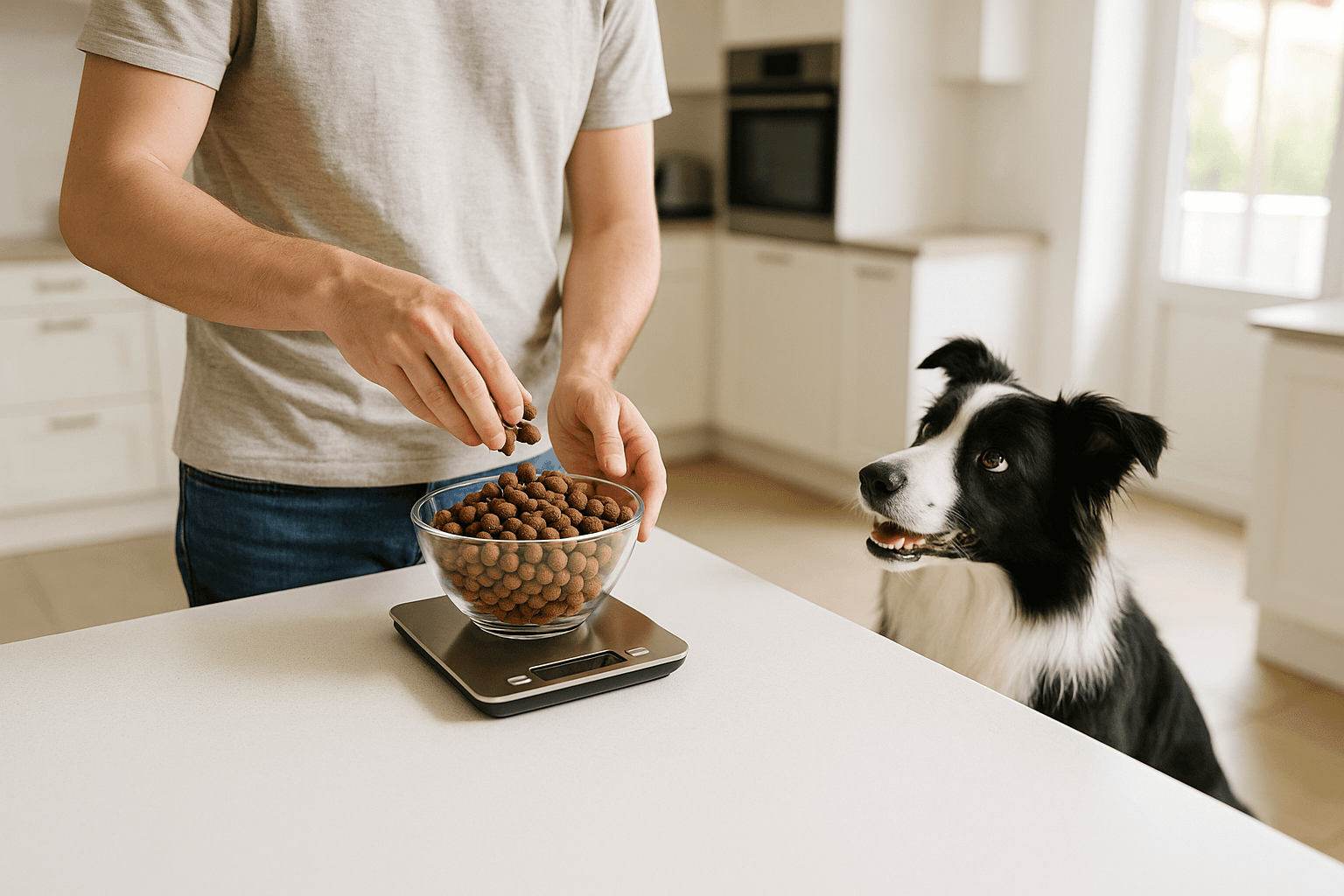
How much to feed your dog depends on their weight, age, activity level, and the type of food you are using. Most adult dogs need two meals per day. Always start with the manufacturer's feeding guide on the packaging, then adjust based on your dog's body condition score -- not by whether they seem hungry.
Read guide →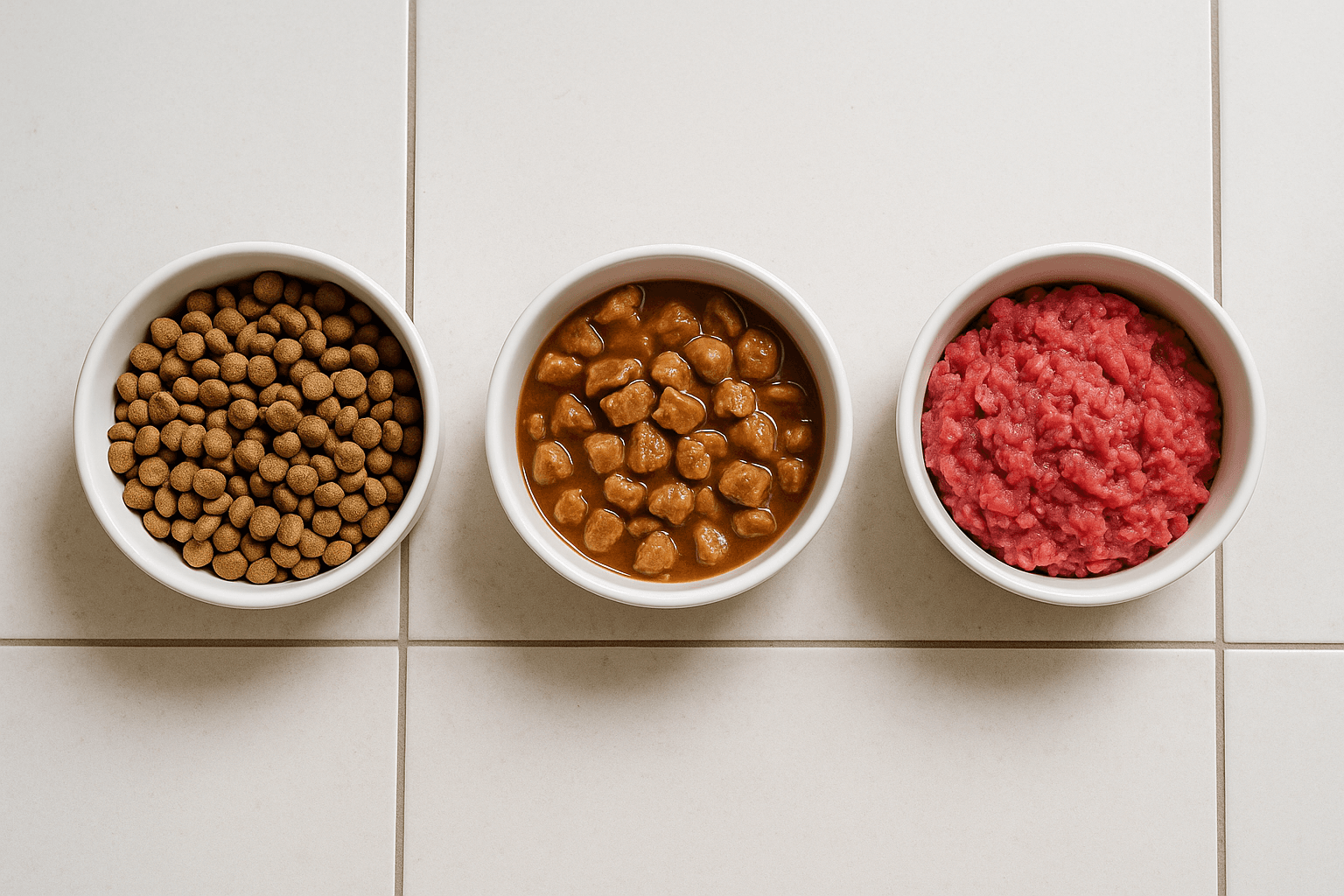
How to Choose Dog Food UK: Ingredients, Labels and Life Stages Explained
The best dog food for your dog depends on their age, breed, health, and your budget. Look for a named meat source as the first ingredient, choose a food labelled "complete" rather than "complementary," and ensure it meets FEDIAF nutritional guidelines. Fresh, air-dried, and raw options are growing in popularity alongside traditional dry and wet food.
Read guide →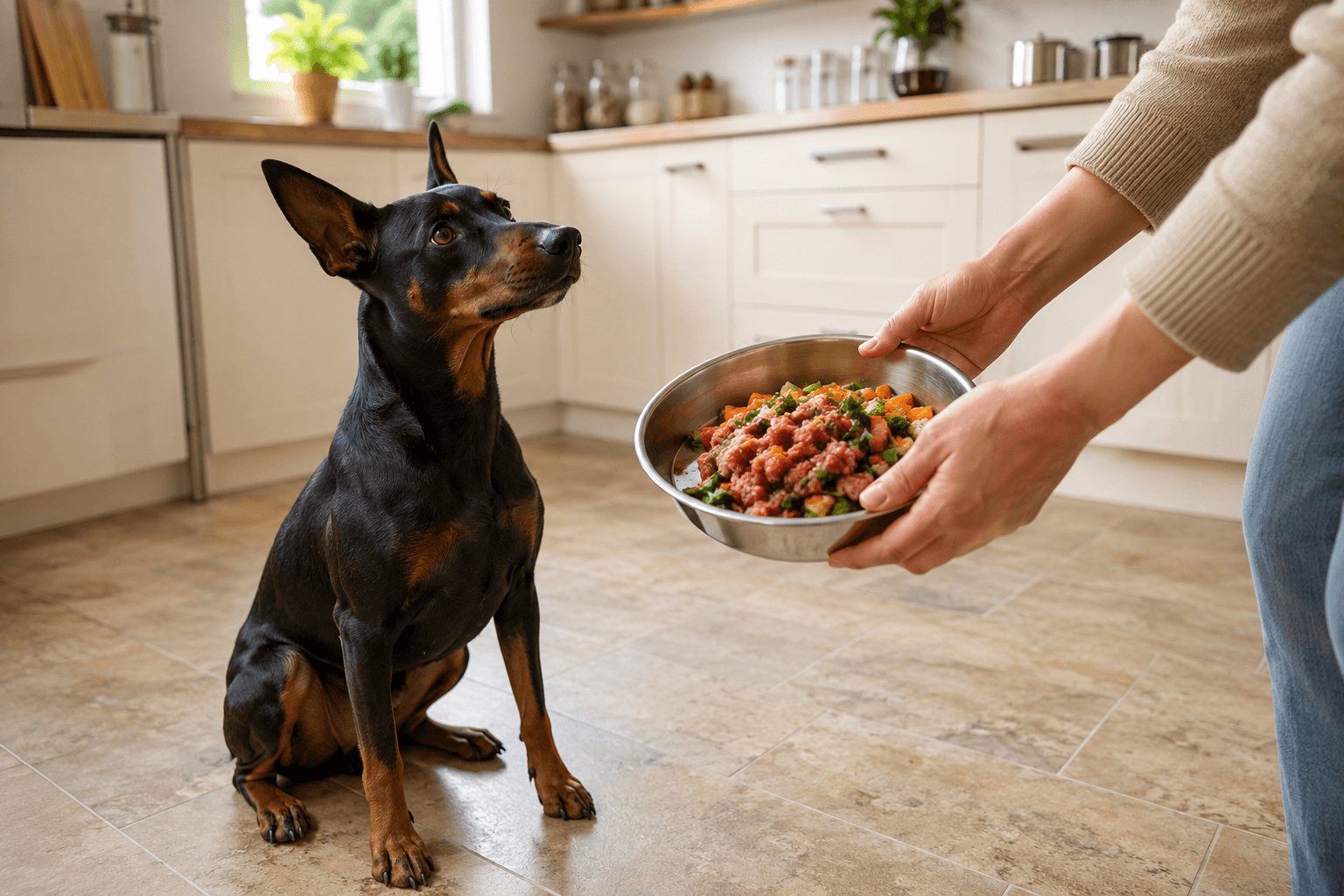
Raw Feeding Dogs in the UK: A Beginner's Guide to BARF
Raw feeding (BARF) in the UK typically follows the PMR ratio: 80% muscle meat, 10% raw meaty bone and 10% organ (at least half of which should be liver). The BVA advises caution due to food safety risks from Salmonella and Campylobacter in raw meat. Raw feeding is not suitable for immunocompromised dogs or households with immunocompromised members, young children or pregnant women.
Read guide →