How to Choose Dog Food UK: Ingredients, Labels and Life Stages Explained
Quick answer
The best dog food for your dog depends on their age, breed, health, and your budget. Look for a named meat source as the first ingredient, choose a food labelled "complete" rather than "complementary," and ensure it meets FEDIAF nutritional guidelines. Fresh, air-dried, and raw options are growing in popularity alongside traditional dry and wet food.
Affiliate disclosure: This article contains affiliate links. Woof & Woofer earns a commission if you purchase through these links, at no extra cost to you. This does not influence our recommendations. See our full disclosure.
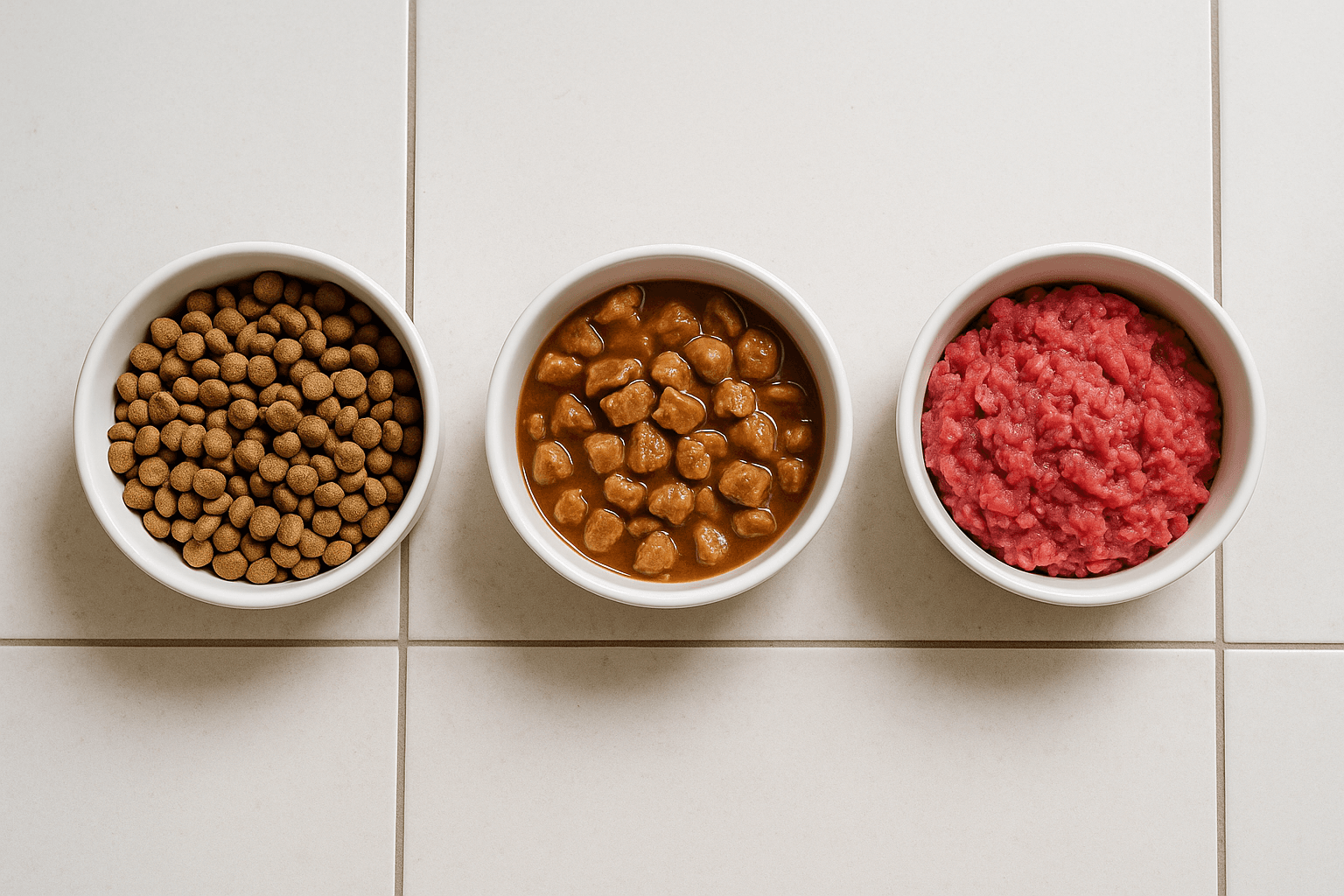
The 5 Main Types of Dog Food in the UK
Dry Food (Kibble)
The most widely used format in the UK. Convenient, cost-effective, long shelf life. Quality varies enormously. Look for named meat as the first ingredient. Avoid products where cereals or derivatives dominate the first three ingredients.
Wet Food
Higher moisture content supports hydration. Often more palatable for fussy eaters and senior dogs. Typically more expensive per calorie than dry food.
Fresh and Subscription Food
Pre-portioned, lightly cooked fresh meals delivered frozen or chilled. Formulated to FEDIAF standards, no artificial preservatives. Higher cost than dry food but growing rapidly in the UK market.
Get a personalised Butternut Box plan
Air-Dried Food
Gently air-dried at low temperatures to remove moisture while preserving nutrients. Higher meat content than most kibble. Long shelf life and palatability close to raw food.
Raw Food
Uncooked meat, bone, and offal. Requires careful sourcing, correct nutritional balancing, and safe food handling. See: Raw Dog Food: A UK Owner's Guide
What to Look for on a Dog Food Label
Complete vs Complementary
A complete food contains all the nutrients a dog needs in correct proportions. A complementary food is designed to be fed alongside other foods and is not nutritionally balanced on its own. Check every product you buy.
The Ingredient List
Ingredients are listed in descending order by weight before processing.
Look for: named meat as the first ingredient (chicken, salmon, beef, lamb), whole vegetables and fruits, named oils.
Be cautious of: cereals or derivatives of vegetable origin in the first three ingredients, artificial colours and preservatives (BHA, BHT), unnamed protein sources such as "meat and animal derivatives."
FEDIAF Guidelines
Reputable UK dog food manufacturers formulate to FEDIAF (Federation of European Companion Animal Food Industries) nutritional guidelines -- the primary standard for pet food in Europe, updated in 2024. If a food is complete, it should meet these standards.
How to Switch Dog Foods
Transition gradually over 7 to 10 days: 75% old and 25% new for two to three days, then 50/50, then 25% old and 75% new, then fully switched. A sudden switch causes digestive upset in most dogs.
Frequently Asked Questions
Not necessarily. Grain-free became fashionable but there is no evidence that grains are harmful for most dogs. Dogs with confirmed grain sensitivities benefit from grain-free food; for most dogs it makes no meaningful difference. Speak to your vet before switching to grain-free if your dog has no diagnosed sensitivity.
There is no need to regularly rotate foods. Unnecessary switching causes digestive upset. Change food only if your dog has a health reason to, or if you find a significantly better quality option.
Both can be nutritionally complete and appropriate. Many owners feed a combination. Dry food supports dental health to some degree; wet food supports hydration. Choose based on your dog's needs, preferences, and your budget.
Nutritionally, fresh lightly cooked food and quality air-dried food typically have the highest ingredient quality and digestibility. A high-quality complete dry food fed in correct portions is perfectly appropriate for most healthy dogs.
More from Dog Nutrition
How Much Should I Feed My Dog?
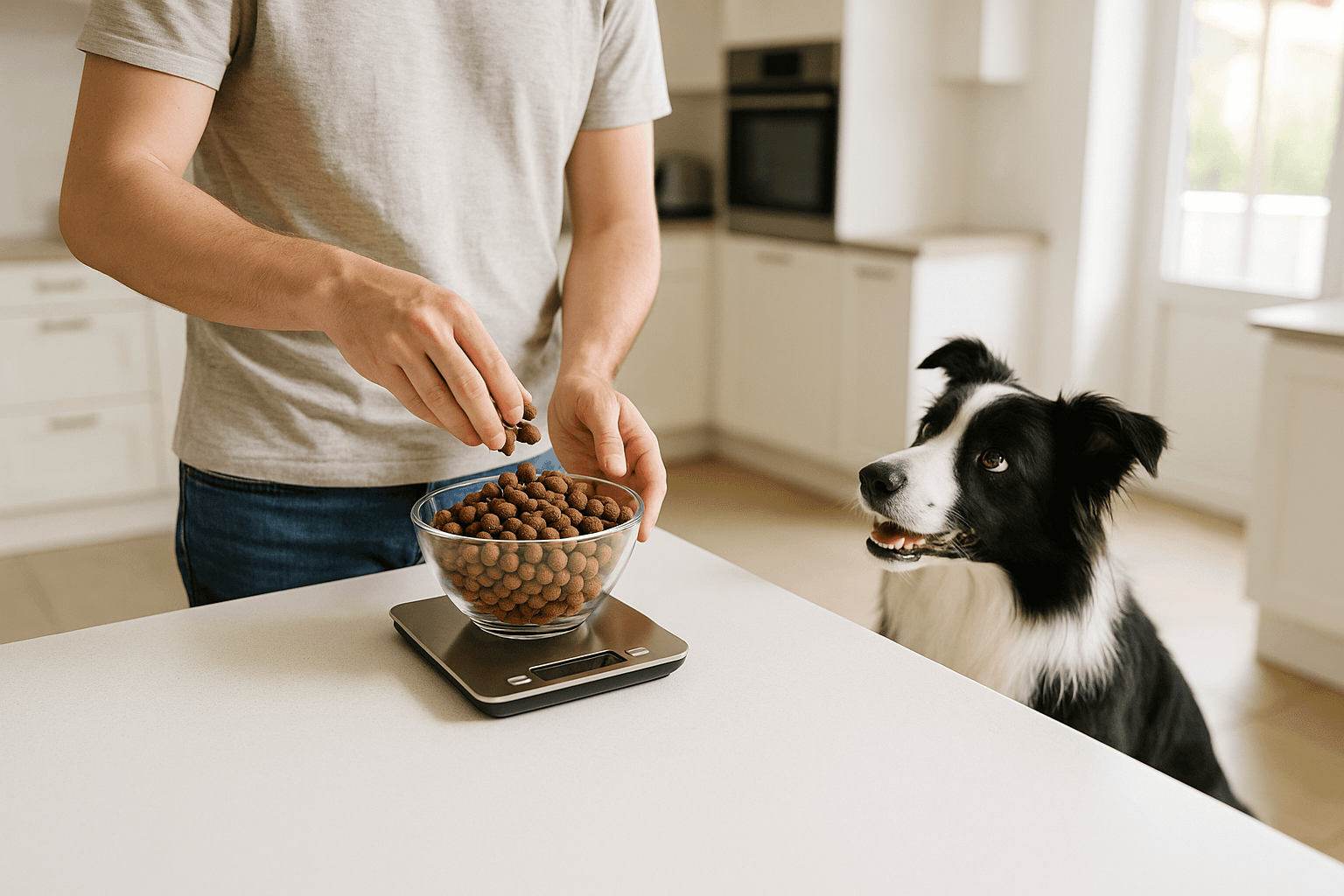
How much to feed your dog depends on their weight, age, activity level, and the type of food you are using. Most adult dogs need two meals per day. Always start with the manufacturer's feeding guide on the packaging, then adjust based on your dog's body condition score -- not by whether they seem hungry.
Read guide →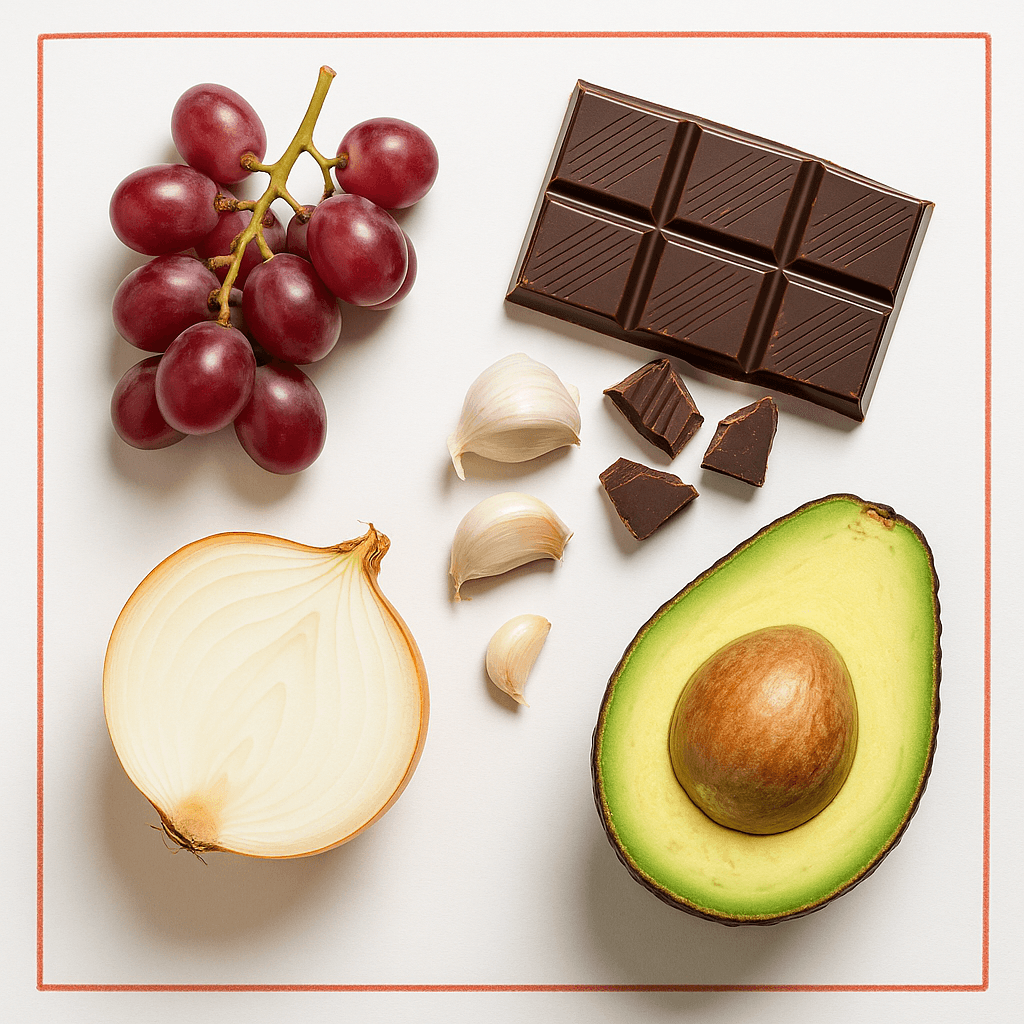
Foods Dogs Cannot Eat: The UK Owner's Safety Guide
The most dangerous foods for dogs in the UK are grapes and raisins (can cause fatal kidney failure), xylitol (in some peanut butters and sugar-free products, causes blood sugar crash and liver failure), chocolate (theobromine toxicity), and alliums including onions and garlic. If your dog eats any of these, call your vet or the Animal Poison Line on 0300 999 0077 immediately without waiting for symptoms.
Read guide →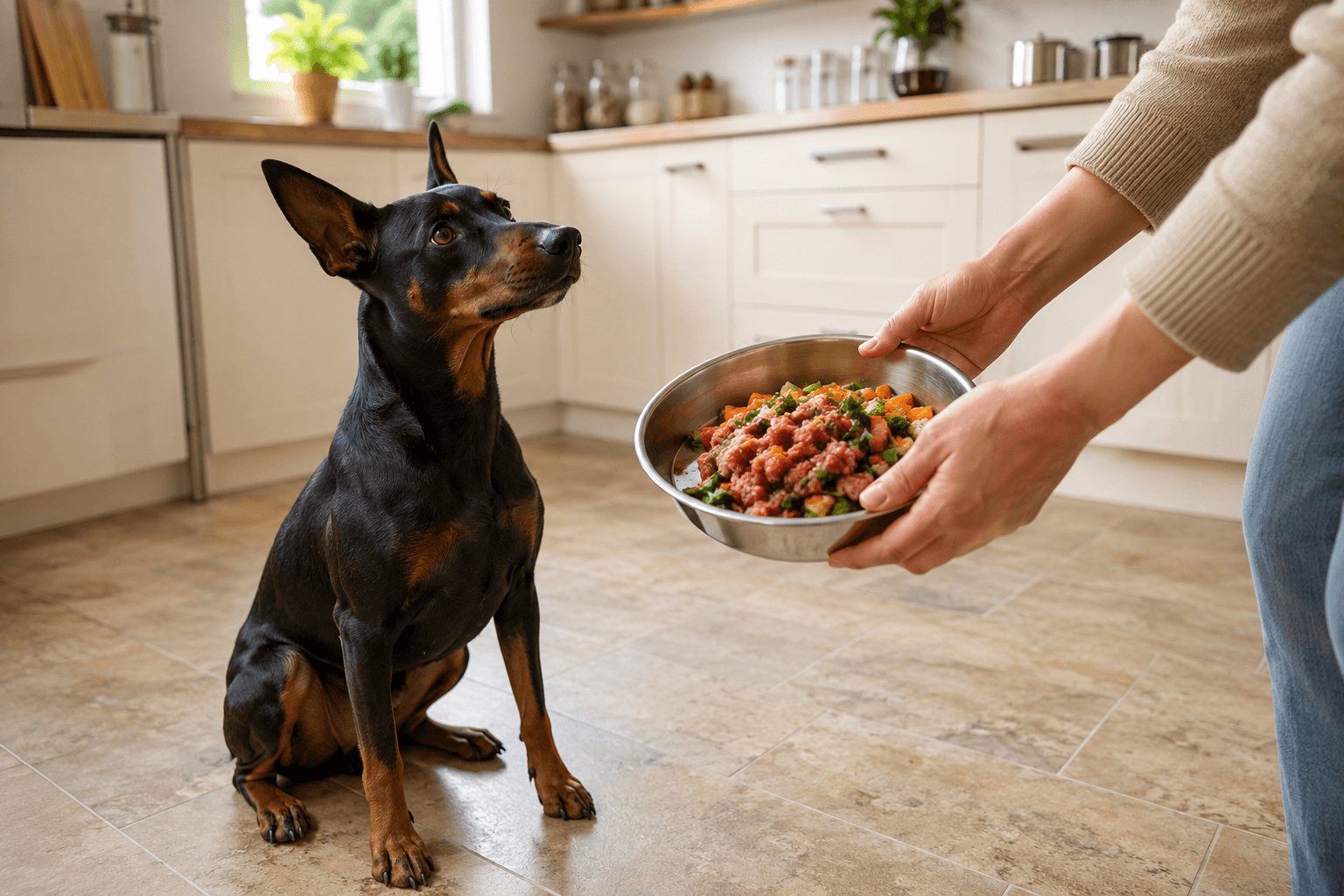
Raw Feeding Dogs in the UK: A Beginner's Guide to BARF
Raw feeding (BARF) in the UK typically follows the PMR ratio: 80% muscle meat, 10% raw meaty bone and 10% organ (at least half of which should be liver). The BVA advises caution due to food safety risks from Salmonella and Campylobacter in raw meat. Raw feeding is not suitable for immunocompromised dogs or households with immunocompromised members, young children or pregnant women.
Read guide →