
Raw Dog Food UK: A Complete Owner's Guide
Quick answer
Raw dog food in the UK typically follows either the BARF (Biologically Appropriate Raw Food) or prey model approach. It can be nutritionally appropriate when correctly balanced, but carries risks including bacterial contamination and nutritional imbalance if not prepared carefully. UK Pet Food's Raw Standard Scheme provides a quality benchmark for raw food manufacturers.
The Two Main Raw Feeding Approaches
BARF (Biologically Appropriate Raw Food)
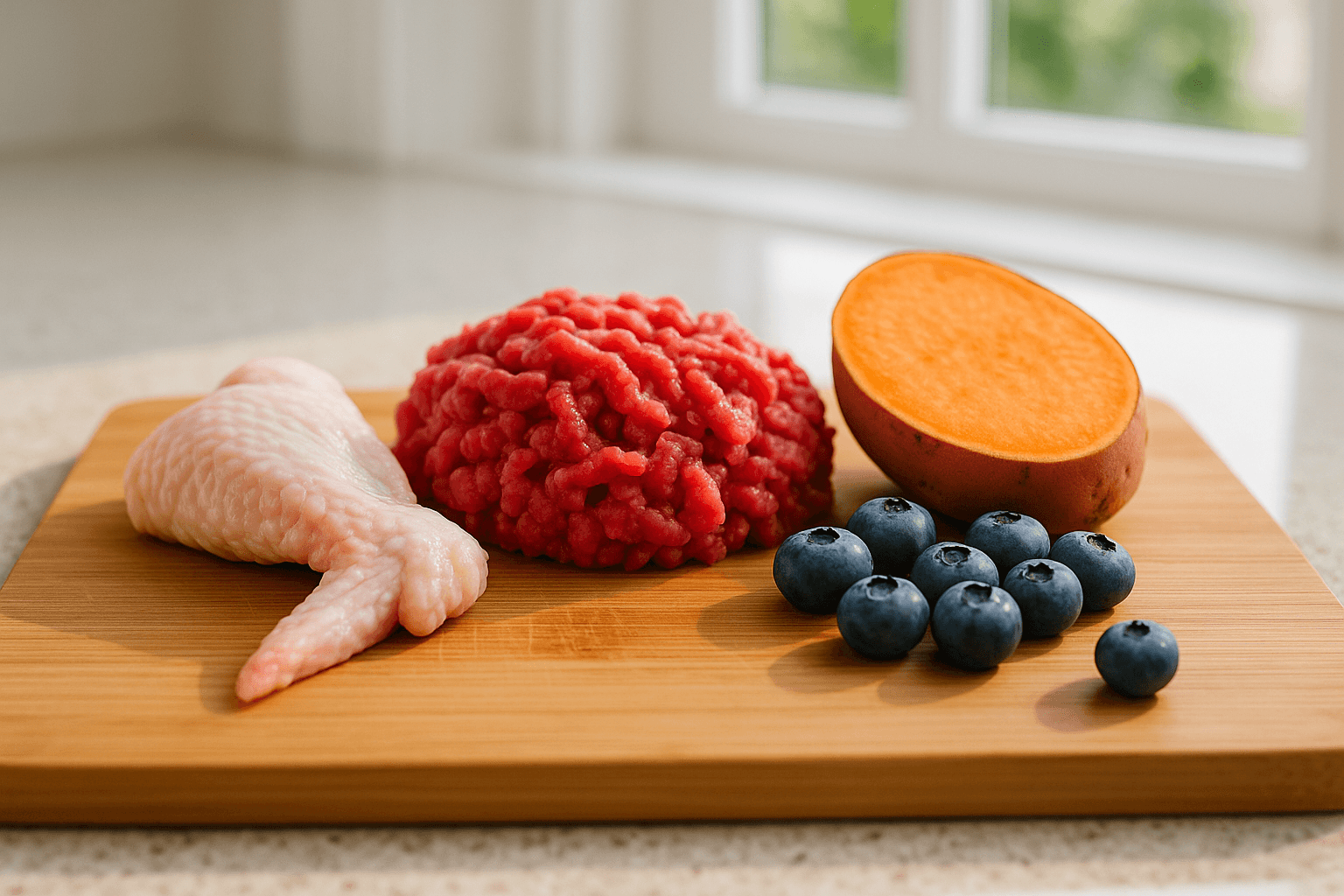
BARF typically comprises approximately 70% raw muscle meat, 10% raw meaty bones, 10% offal (at least half of which should be liver), and 10% vegetables, fruit, and other additions. The inclusion of plant matter reflects the view that dogs are omnivores whose diet should include more than animal products alone.
Prey Model Raw (PMR)
PMR attempts to mirror a whole-prey diet -- approximately 80% muscle meat, 10% raw meaty bones, and 10% offal. No plant matter is included. Both models require careful attention to balance.
Nutritional Risks of Raw Feeding
The most significant risk of home-prepared raw feeding is nutritional imbalance. Studies have found a proportion of home-prepared raw diets are deficient in key nutrients including calcium, phosphorus, zinc, and certain vitamins. Using a complete commercial raw food formulated to FEDIAF guidelines significantly reduces this risk.
Food Safety and Bacteria
Raw meat can carry Salmonella, Campylobacter, Listeria, and E. coli. The risk extends to humans handling the food, particularly young children, elderly people, and immunocompromised individuals.
Safe handling principles:
- Buy from suppliers operating under the UK Pet Food Raw Standard Scheme
- Keep raw food frozen and thaw in the fridge only
- Feed from a dedicated bowl, washed separately with hot water after each use
- Wash hands thoroughly after handling raw food
- Do not allow your dog to lick faces immediately after eating
UK Pet Food Raw Standard Scheme
UK Pet Food (formerly the PFMA) operates a Raw Standard Scheme in conjunction with KIWA and government bodies including DEFRA and the FSA. Look for Raw Standard approval when choosing a commercial raw food supplier.
How to Start Raw Feeding
- Speak to your vet first, particularly if your dog has any health conditions
- Choose a complete commercial raw food from a reputable UK supplier
- Transition gradually over 7 to 10 days
- Monitor stool quality -- raw-fed dogs typically produce smaller, firmer stools
- Monitor body condition and adjust portions as needed
Is Raw Feeding Right for Your Dog?
Raw feeding is not recommended for immunocompromised dogs, households with young children or elderly or immunocompromised people, dogs with a history of pancreatitis, or puppies under 12 weeks without veterinary guidance.
Frequently Asked Questions
Yes. Raw dog food is legal to manufacture and sell in the UK. Commercial raw food manufacturers must comply with the Animal Feed Regulations 2010. The UK Pet Food Raw Standard Scheme provides voluntary accreditation above the legal minimum.
The British Veterinary Association does not recommend raw feeding due to food safety risks. Many individual vets take a pragmatic approach, supporting owners who raw feed while advising on safe handling and nutritional balance.
Many owners do feed a combination. The claim that raw and dry food should never be mixed due to different digestion rates is not supported by current evidence. If mixing, monitor digestive health and transition gradually.
A common starting point is 2 to 3% of the dog's target bodyweight per day, split across two meals. Adjust based on body condition score. Follow the guidance of your specific raw food supplier.
More from Dog Nutrition
How Much Should I Feed My Dog?
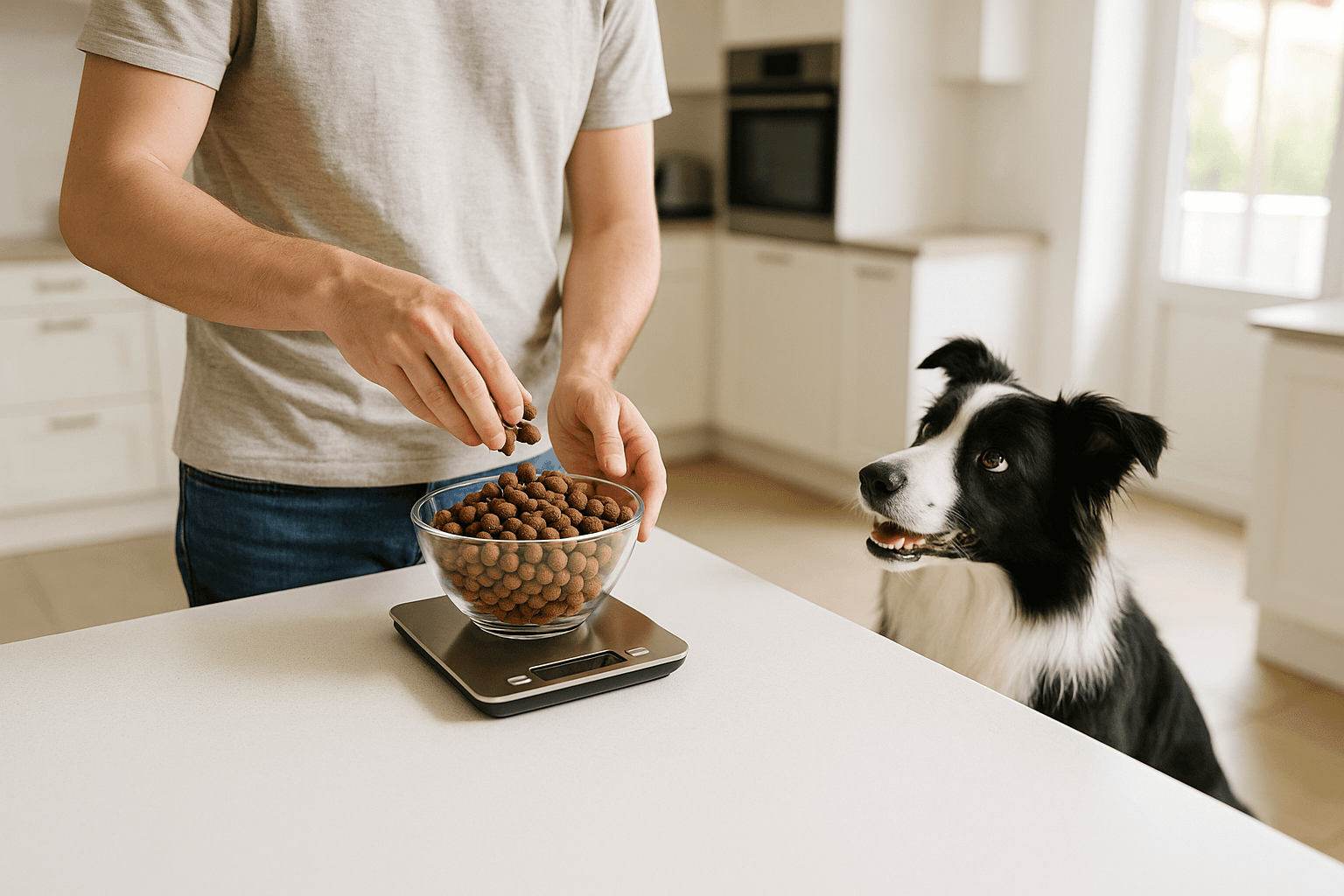
How much to feed your dog depends on their weight, age, activity level, and the type of food you are using. Most adult dogs need two meals per day. Always start with the manufacturer's feeding guide on the packaging, then adjust based on your dog's body condition score -- not by whether they seem hungry.
Read guide →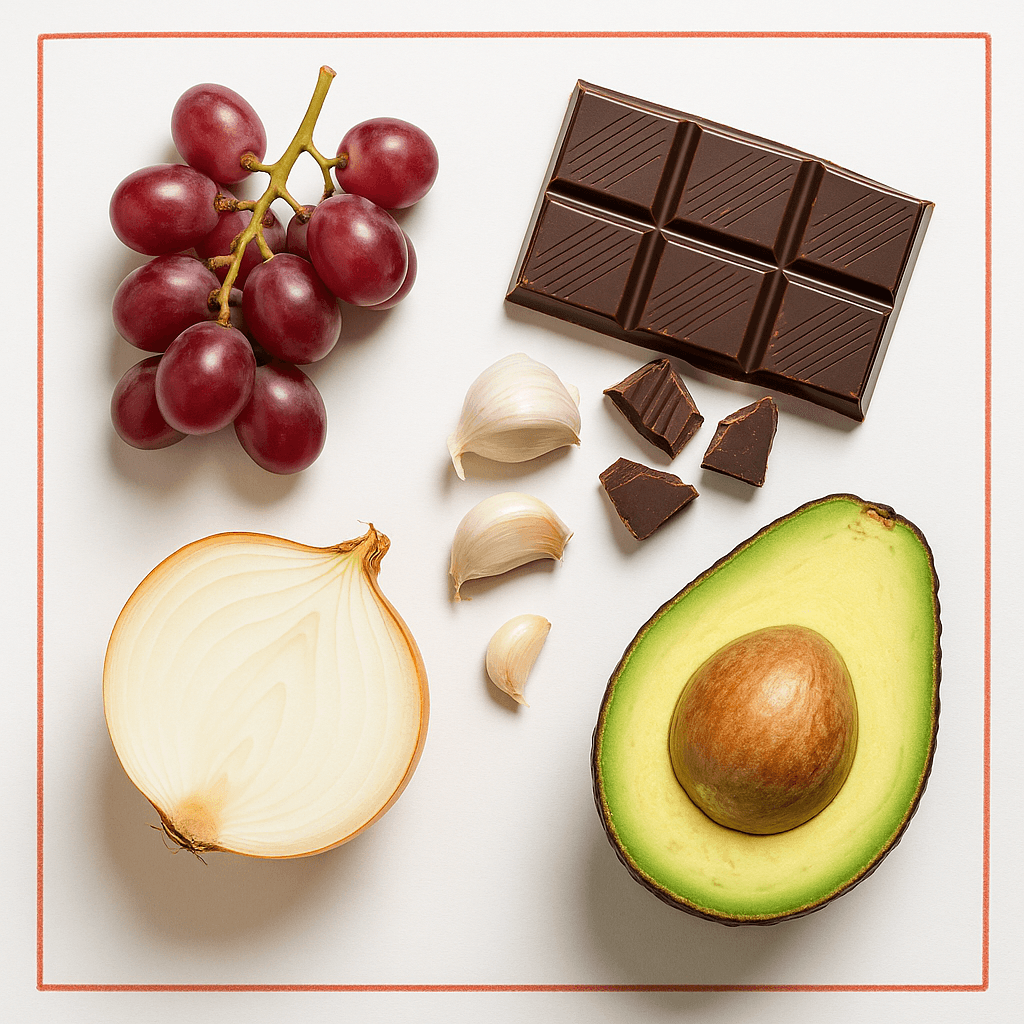
Foods Dogs Cannot Eat: The UK Owner's Safety Guide
The most dangerous foods for dogs in the UK are grapes and raisins (can cause fatal kidney failure), xylitol (in some peanut butters and sugar-free products, causes blood sugar crash and liver failure), chocolate (theobromine toxicity), and alliums including onions and garlic. If your dog eats any of these, call your vet or the Animal Poison Line on 0300 999 0077 immediately without waiting for symptoms.
Read guide →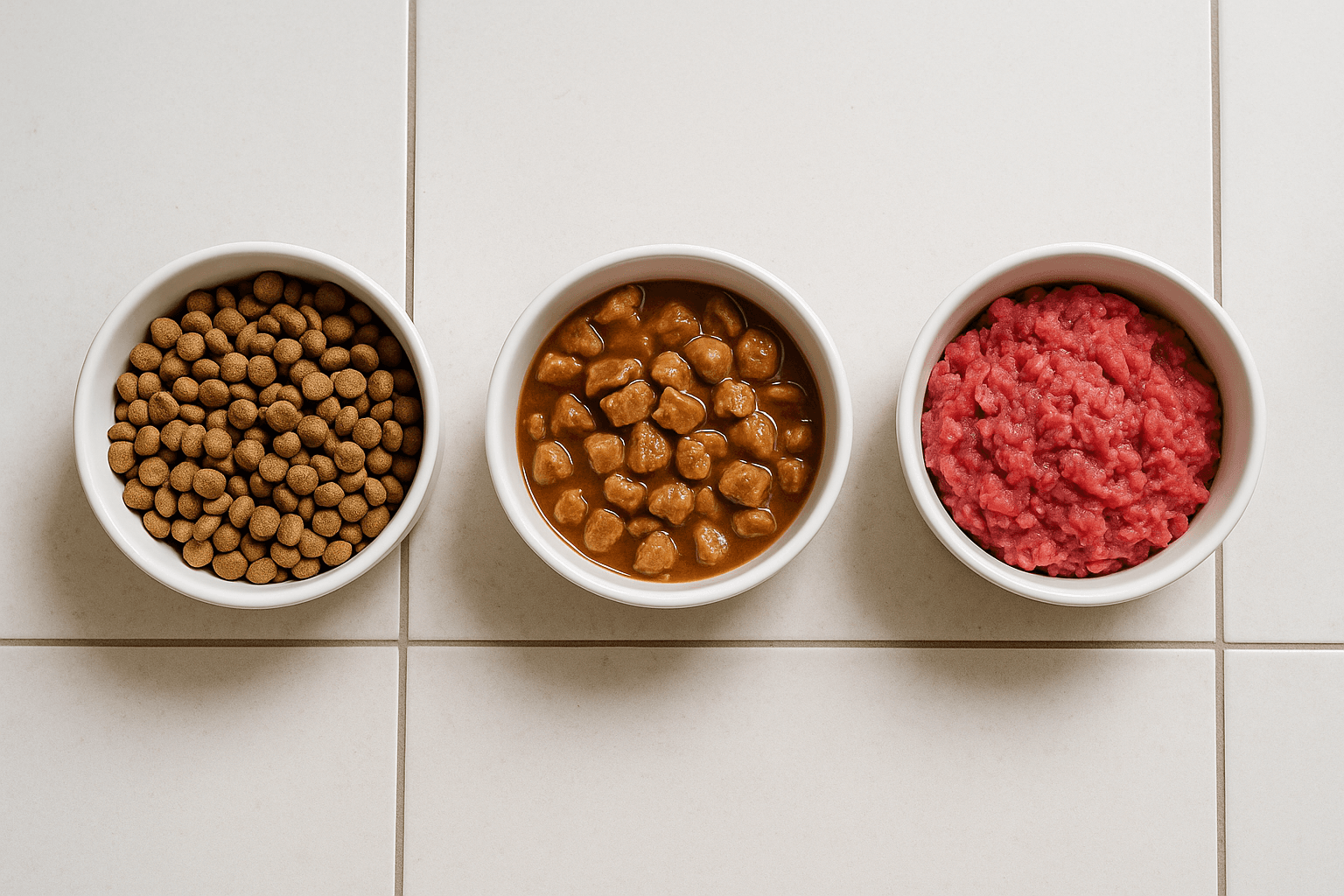
How to Choose Dog Food UK: Ingredients, Labels and Life Stages Explained
The best dog food for your dog depends on their age, breed, health, and your budget. Look for a named meat source as the first ingredient, choose a food labelled "complete" rather than "complementary," and ensure it meets FEDIAF nutritional guidelines. Fresh, air-dried, and raw options are growing in popularity alongside traditional dry and wet food.
Read guide →