Senior Dog Nutrition: What to Feed Your Older Dog
Quick answer
Senior dogs, typically those aged 7 and over, often need fewer calories but benefit from high-quality protein to maintain muscle mass. Key considerations include weight management, joint support, dental health, and digestibility. Switch to a senior-specific food when your vet advises it, or when you notice changes in weight, energy, or coat condition.
When Is a Dog Considered Senior?
| Breed size | Senior life stage begins |
|---|---|
| Small breeds (under 10kg) | Around 10 to 12 years |
| Medium breeds (10 to 25kg) | Around 8 to 9 years |
| Large breeds (25 to 45kg) | Around 7 to 8 years |
| Giant breeds (over 45kg) | Around 5 to 6 years |
Key Nutritional Needs in Senior Dogs
Protein
Older dogs often need higher levels of high-quality, digestible protein -- not less protein as was previously believed. Protein supports muscle mass maintenance, which naturally declines with age (sarcopenia). Look for a senior food with a named meat source as the first ingredient and a minimum of 22 to 25% crude protein.
Calories
Many senior dogs become less active, reducing their energy requirements. UK Pet Food reports vets estimate 50% of UK dogs are overweight -- senior dogs are disproportionately represented. Monitor body condition every four to six weeks and reduce portions if weight is creeping up.
Joint Support
Glucosamine and chondroitin are commonly added to senior dog foods to support cartilage health. Omega-3 fatty acids (EPA and DHA) from fish oil have stronger evidence for an anti-inflammatory effect on joints. If your senior dog has diagnosed joint disease, speak to your vet about whether a prescription joint diet or additional supplements are appropriate.
Digestibility
Older dogs can have reduced digestive efficiency. Highly digestible protein sources (chicken, fish, egg) and lower fibre levels support nutrient absorption.
Dental Health
Dental disease is extremely common in older dogs. Regular tooth brushing and dental checks with your vet are more effective than diet alone. Senior-specific foods and dental diets can support but not replace dental care.
When to Switch to Senior Food
There is no single right time. Discuss timing with your vet. Signs a switch may help include weight gain that is hard to manage on adult food portions, reduced energy or muscle condition, changes in coat quality, or digestive changes.
Frequently Asked Questions
Possibly. If your dog is gaining weight or becoming less active, reducing portions is appropriate. Use body condition scoring to guide decisions. Some senior dogs actually need the same or slightly increased food if they are losing muscle mass.
Reduced appetite and fussiness in older dogs can have medical causes including dental pain, nausea, kidney disease, and cognitive dysfunction. If eating habits change noticeably, see your vet before trying food changes.
Joint supplements containing glucosamine and omega-3 fatty acids are widely used and generally considered safe. Omega-3 from fish oil has reasonable evidence for anti-inflammatory benefit. Speak to your vet before adding supplements, particularly if your dog takes any medication.
High-quality protein in the diet, appropriate exercise, and maintaining a healthy weight all support muscle condition. Muscle loss in senior dogs is partly inevitable but can be slowed with the right approach.
More from Dog Nutrition
How Much Should I Feed My Dog?
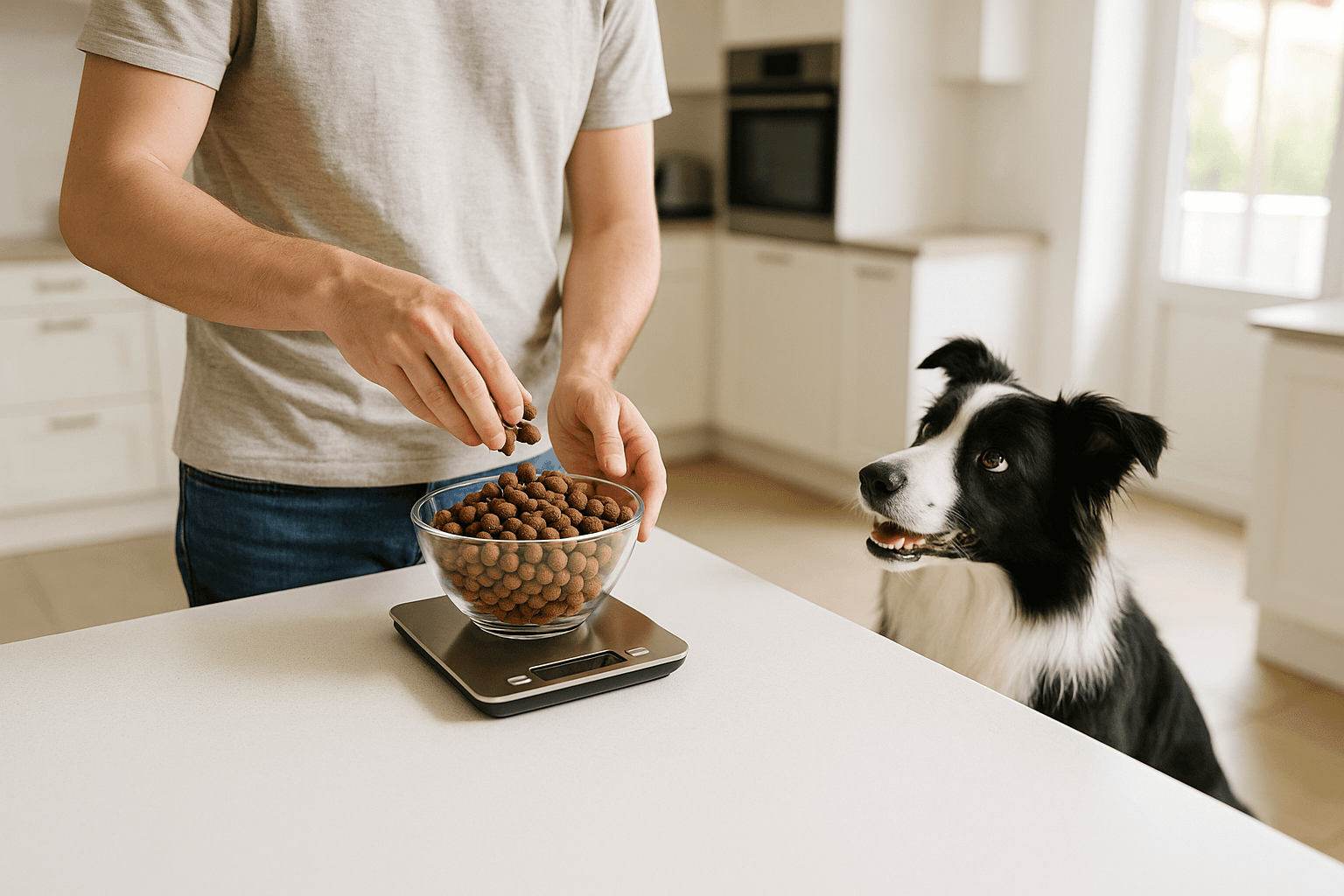
How much to feed your dog depends on their weight, age, activity level, and the type of food you are using. Most adult dogs need two meals per day. Always start with the manufacturer's feeding guide on the packaging, then adjust based on your dog's body condition score -- not by whether they seem hungry.
Read guide →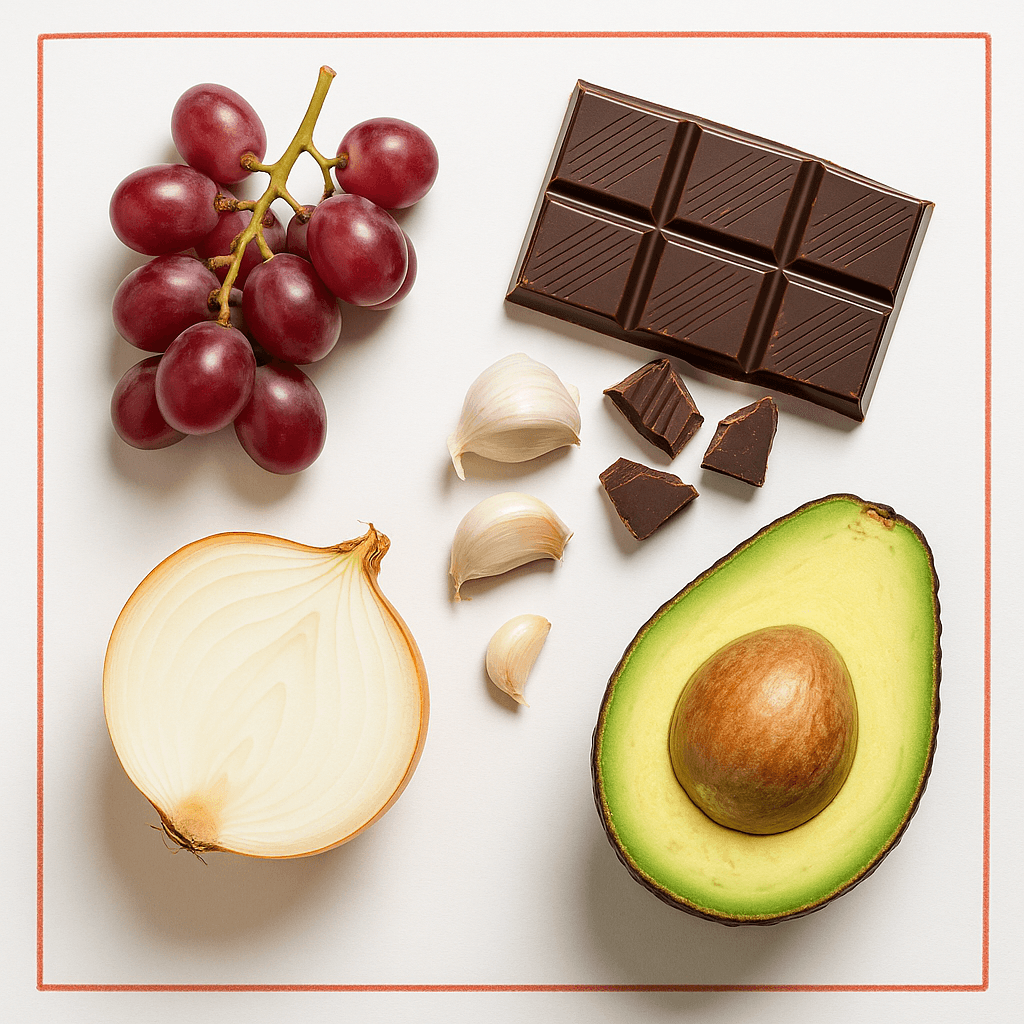
Foods Dogs Cannot Eat: The UK Owner's Safety Guide
The most dangerous foods for dogs in the UK are grapes and raisins (can cause fatal kidney failure), xylitol (in some peanut butters and sugar-free products, causes blood sugar crash and liver failure), chocolate (theobromine toxicity), and alliums including onions and garlic. If your dog eats any of these, call your vet or the Animal Poison Line on 0300 999 0077 immediately without waiting for symptoms.
Read guide →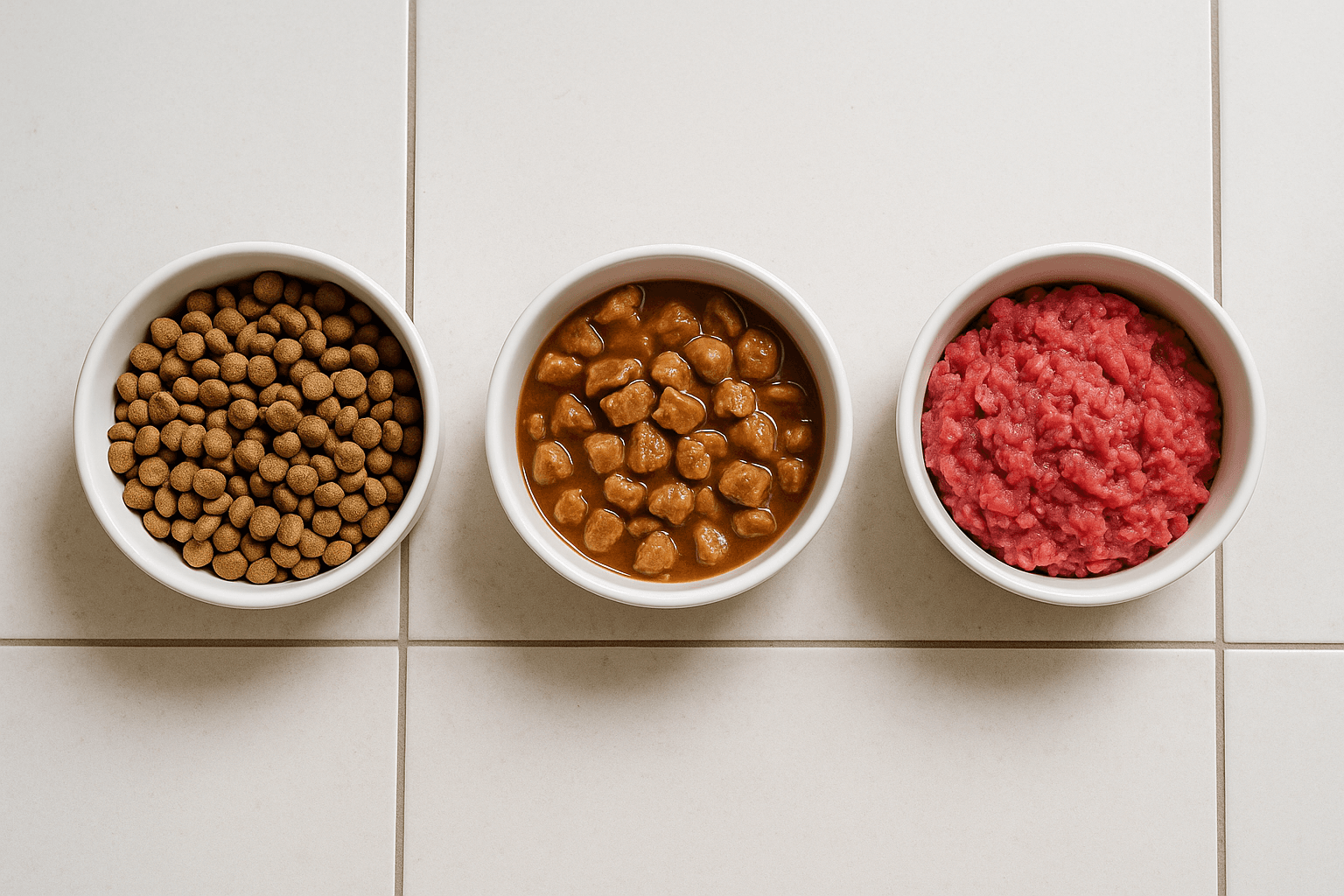
How to Choose Dog Food UK: Ingredients, Labels and Life Stages Explained
The best dog food for your dog depends on their age, breed, health, and your budget. Look for a named meat source as the first ingredient, choose a food labelled "complete" rather than "complementary," and ensure it meets FEDIAF nutritional guidelines. Fresh, air-dried, and raw options are growing in popularity alongside traditional dry and wet food.
Read guide →