


Signs of Separation Anxiety in Dogs
Quick answer
Signs of separation anxiety in dogs include barking or howling after you leave, destructive chewing near exits, toileting inside despite being house-trained, and pacing or inability to settle. The key indicator is that the behaviour occurs when the dog is alone and stops when you return.
The Core Signs
Vocalisation. Barking, howling, or whining shortly after you leave is one of the most common signs. It is often continuous and escalating rather than the occasional alert bark a settled dog might give.
Destructive behaviour. Chewing is typically focused near exit points -- doors, door frames, window ledges. This reflects attempts to follow you. A dog chewing the sofa cushions is more likely bored; a dog chewing through the door frame has a different problem.
Inappropriate toileting. A house-trained dog who urinates or defecates inside only when left alone is showing a classic anxiety sign. The body's stress response overrides normal bladder and bowel control.
Pacing and restlessness. An inability to settle, repetitive pacing along the same route, or circling are signs of significant distress. The RVC and Dogs Trust Generation Pup study (2024) found pacing was the most commonly reported separation behaviour in puppies.
Excessive salivation. Drool pooling near the door or a wet floor when you return points to sustained stress.
Self-injury. In severe cases, dogs damage themselves trying to escape -- broken nails, worn pads, and injured paws from scratching at hard floors or doors.
Pre-Departure Anxiety
Some dogs begin showing distress before you even leave:
- Shadowing your every move around the house
- Trembling or panting as you prepare to go out
- Refusing food on days you leave early
- Whining as you pick up keys or put on shoes
Pre-departure anxiety means the dog has learned your leaving routine and is anticipating distress. It often indicates the anxiety is more established.
Separation Anxiety vs Boredom: Key Differences
| Separation Anxiety | Boredom or Frustration | |
|---|---|---|
| Starts | Within minutes of leaving | Anytime when unsatisfied |
| Chewing focus | Near exits, owner belongings | Random |
| Settles alone | Never fully | May settle once tired |
| Physical signs | Panting, drooling, pacing | Usually absent |
| On return | Pronounced relief response | Normal greeting |
A dog who sleeps for two hours then chews a shoe is probably bored. A dog who cannot settle from the moment you leave is anxious.
How to Know for Certain: Use a Camera
The most reliable way to diagnose separation anxiety is to film your dog while you are out. Watch the footage. A dog who paces continuously, barks for 45 minutes straight, or attacks the door within 60 seconds of your departure has a problem that needs addressing. Many owners are genuinely shocked by what the camera reveals.
What to Do Next
- Rule out medical causes with your vet
- Start a structured alone-time training programme -- How to Leave Your Dog Alone
- Consider calming support alongside training -- Best Calming Products for Separation Anxiety
- For severe symptoms, seek referral to an ABTC-accredited Clinical Animal Behaviourist
Full treatment guide: How to Treat Dog Separation Anxiety
Frequently Asked Questions
Yes. Some dogs express anxiety through vocalisation only, or through toileting, or simply through inability to settle. The absence of destruction does not mean the dog is coping.
Separation-anxiety barking starts within minutes of your departure and is sustained. Alert barking at outside noise is shorter, stops when the trigger passes, and does not correlate with your absence specifically.
This sounds like person-specific separation anxiety -- attachment to one person in particular. It is common and treatable. The training approach focuses on building your dog's confidence being away from you specifically.
More from Dog Training
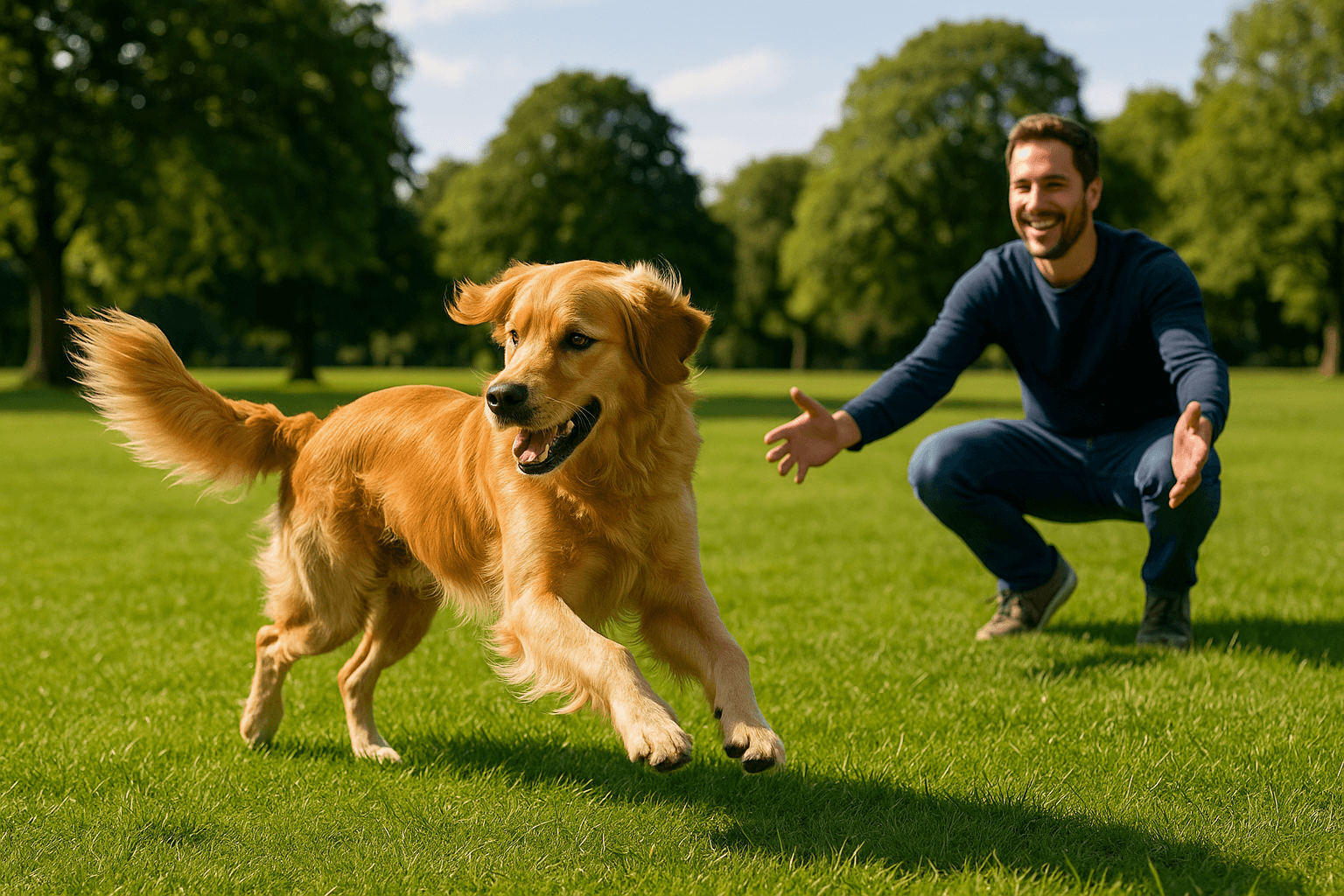
How to Train Recall: The Most Important Skill Your Dog Will Learn
Training a reliable dog recall requires charging the cue indoors first, then building up through a long line to real-world environments gradually. Never call your dog for something they dislike, always reward a return regardless of speed, and use high-value treats like chicken or cheese rather than kibble when competing with outdoor distractions.
Read guide →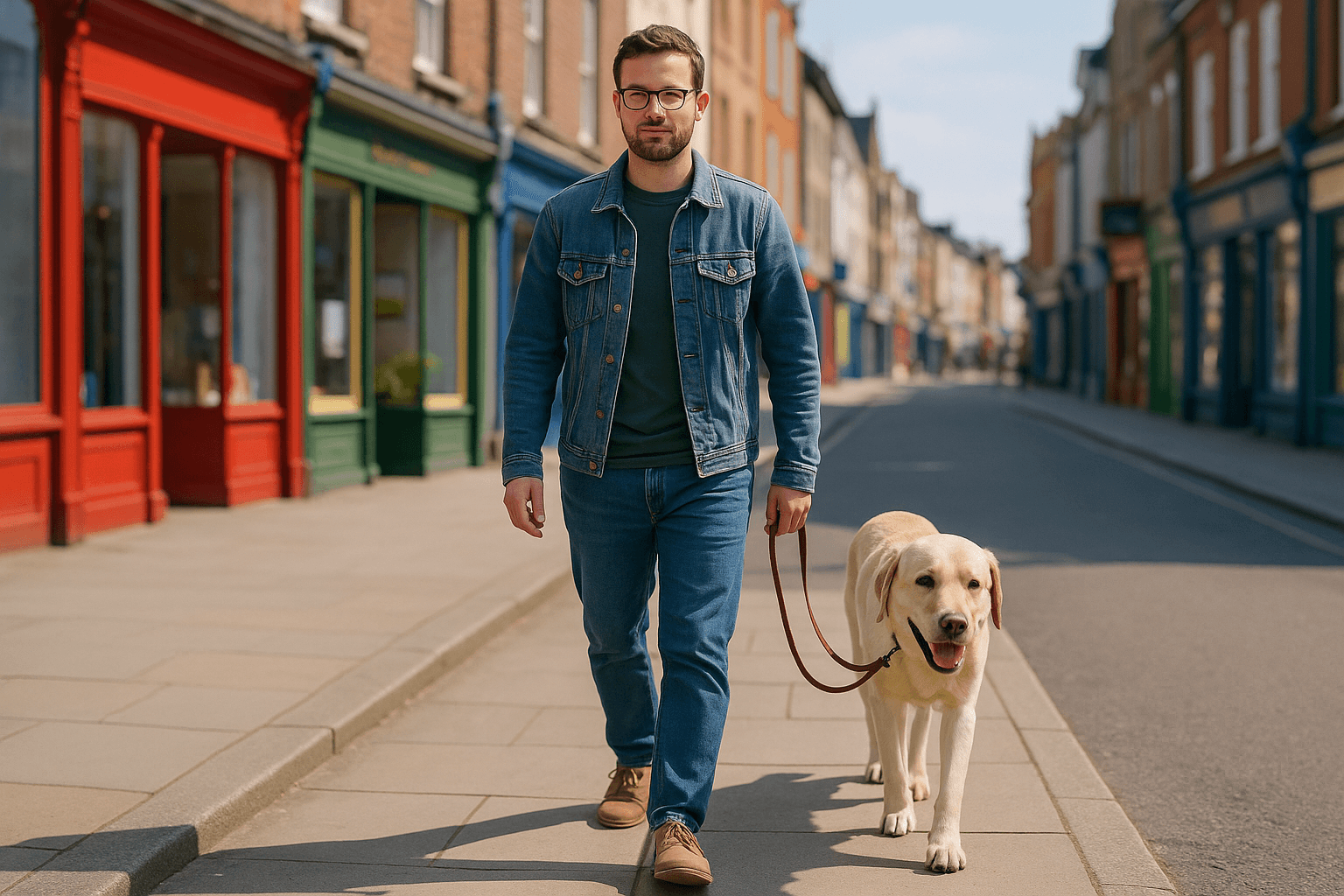
Loose Lead Walking: A Step-by-Step UK Guide
Loose lead walking is trained using the stop-start method: stop the moment the lead tightens, move forward the moment it slackens. A front-clip harness or head collar helps manage pulling while training is underway. Consistent application by everyone who walks the dog is the single most important factor in how quickly the behaviour changes.
Read guide →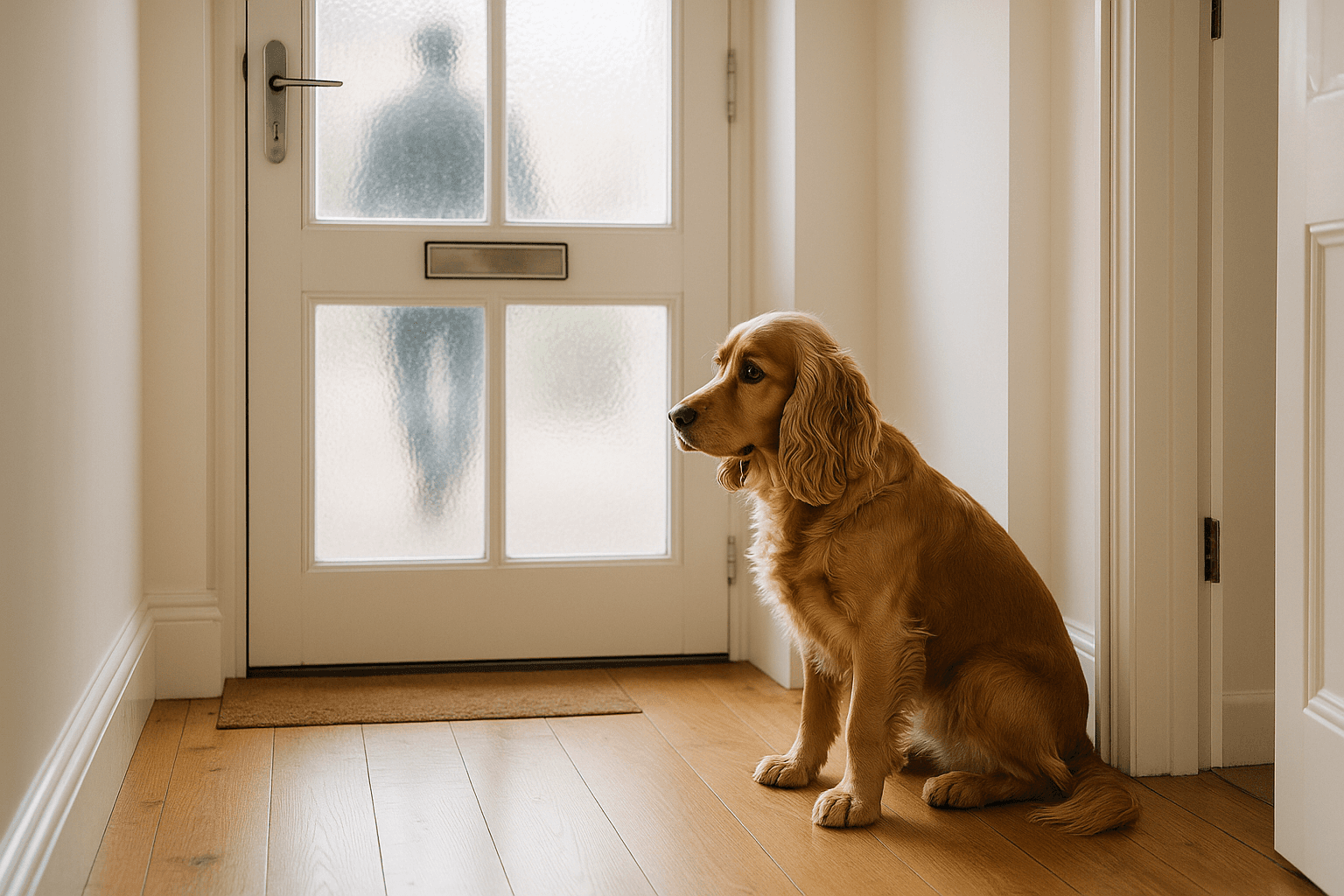
Dog Separation Anxiety: The Complete UK Guide
Separation anxiety is the most common behaviour problem in UK dogs, affecting approximately 50% of dogs according to Dogs Trust research. Signs include barking, destructive behaviour, and toileting when left alone. Treatment combines gradual alone-time training, environmental management, and in some cases calming supplements or veterinary support.
Read guide →